Its name brings to mind romance, beauty, and passion. Venus—the celestial body named after the goddess of love—is anything but lovely when you get to know it up close. A new image titled “On Approach”, captured by photographer Tom Williams, won the “Planets, Comets, and Asteroids” category at the Astronomy Photographer of the Year 2024. The photo stunned viewers by highlighting the harsh, dramatic face of our mysterious neighbor.
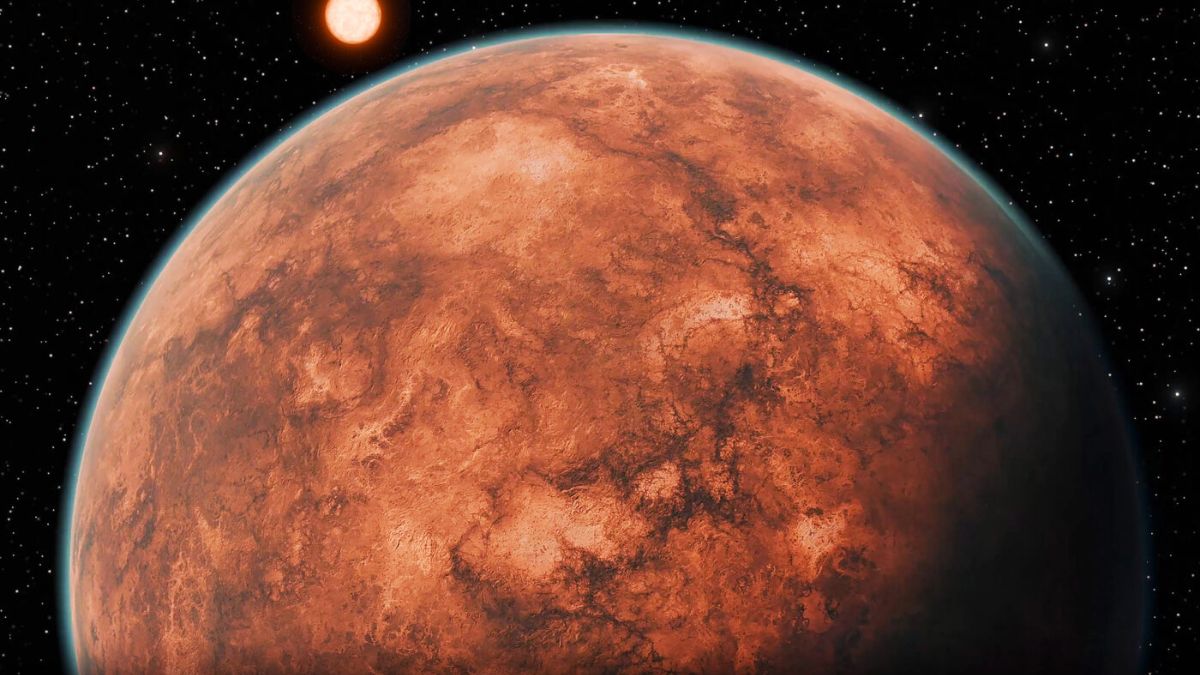
Despite its soft name and Earth-like size, Venus is a hostile, burning world, filled with acid clouds and volcanoes. Let’s take a closer look at why Venus is often called the most hellish planet in the Solar System.
Table of Contents
Heat
Here’s a twist: Venus is hotter than Mercury, even though it’s farther from the Sun. How is that even possible?
The answer lies in its thick atmosphere—96.5% carbon dioxide. This dense gas traps heat like an oven, creating a runaway greenhouse effect. Venus doesn’t let go of heat. It keeps it trapped, day and night, under a blanket of choking CO₂.
And those dreamy clouds you might imagine on Venus? They’re made of sulfuric acid. No, really. These acid clouds reflect sunlight and create a vicious cycle of heat-trapping that pushes the temperature to around 869°F (465ºC). That’s hot enough to melt lead. No part of the planet ever cools down—morning, noon, or night.
Boiling
Venus is also a planet under pressure. Literally. Its surface pressure is 92 times greater than Earth’s, which would crush a human like a tin can.
It doesn’t stop there—Venus is still geologically active. Volcanic eruptions, tectonic activity, and mountains twisted out of shape by intense heat and pressure are all part of its normal day. It’s a planet that never rests.
So, while it may look beautiful in space photos, Venus is like a postcard from hell.
Mythology
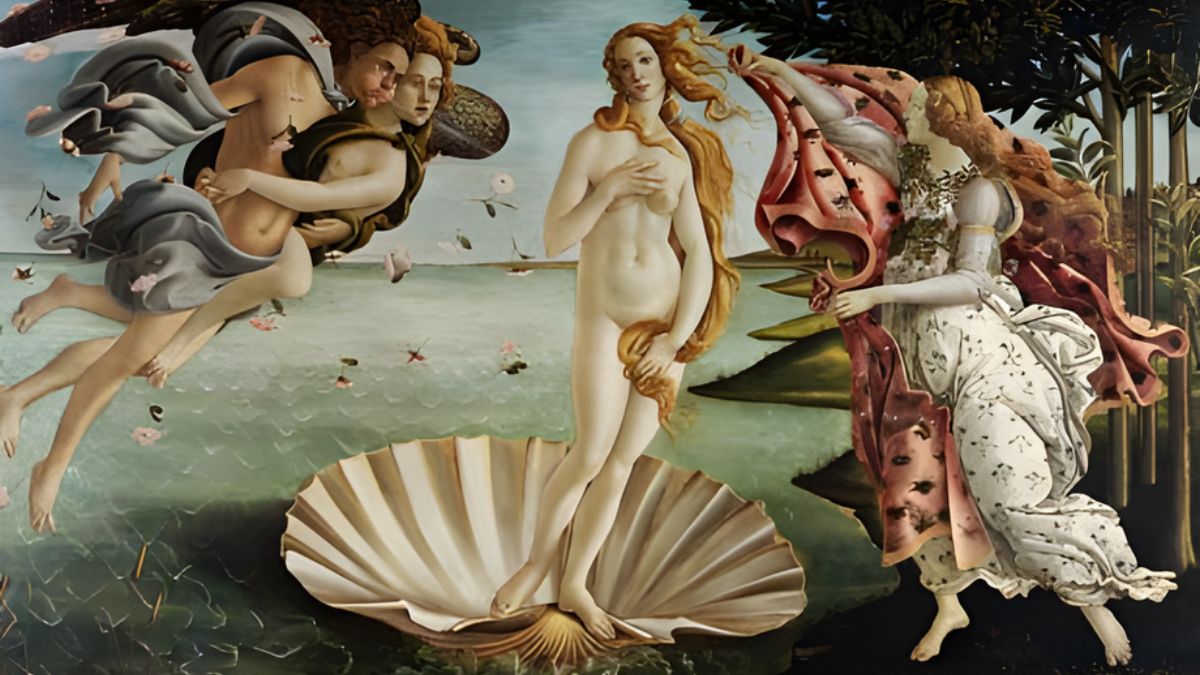
But don’t blame the ancients. The Romans named Venus after their goddess of love, beauty, and fertility—the equivalent of the Greek goddess Aphrodite. Why? Because it was the brightest object in the night sky after the Moon. You can still see it today, shining like a cosmic jewel just before sunrise or after sunset. That’s why it’s nicknamed the “morning star.”
Venus never strays far from the Sun in the sky due to its orbit, which is why it’s always visible near dawn or dusk. Its light has guided humans for centuries, long before we knew what lay beneath its toxic clouds.
Astrology
In astrology, Venus is still the symbol of love, romance, pleasure, and art. It rules over Taurus—an earth sign linked to physical pleasure, beauty, and comfort—and also Libra, which values harmony and relationships.
People often check their “Venus sign” in birth charts to understand how they love and express affection. Venus in Virgo? Practical love. Venus in Aries? Passionate and impulsive. Venus in Scorpio? Intense and mysterious. Good luck navigating those waters!
So even if the real Venus is far from romantic, its symbolic power still shapes how we view love and beauty here on Earth.
Contrast
It’s fascinating how a planet can shine so brightly and yet be so dangerous. That’s the paradox of Venus: a planet of beauty on the outside, but chaos on the inside. It reminds us how appearances in the universe—just like in life—can be deceiving.
Here’s a quick comparison of Venus and Earth:
| Feature | Venus | Earth |
|---|---|---|
| Average Temperature | 869°F (465°C) | 59°F (15°C) |
| Atmosphere | 96.5% Carbon Dioxide | Nitrogen and Oxygen |
| Clouds | Sulfuric Acid | Water Vapor |
| Surface Pressure | 92 times Earth’s | 1 atmosphere |
| Surface Activity | Volcanic, tectonic | Moderate activity |
| Moon(s) | None | 1 |
| Life Possible? | Extremely unlikely | Teeming with life |
Mystery
Despite its extremes, Venus still holds scientific interest. Understanding its greenhouse effect helps us learn about climate change on Earth. Its volcanic surface gives clues to planetary evolution. And future missions may one day dive into its atmosphere or orbit above its clouds to uncover even more secrets.
Venus is proof that not all that glitters is golden—or in this case, habitable. It may be the morning star, but it’s also a warning of what happens when a planet goes into thermal overdrive.
For now, enjoy the stunning winning photo of Venus and let it remind you that even in the most brutal corners of our solar system, beauty can still shine.
FAQs
Why is Venus hotter than Mercury?
Because its CO₂ atmosphere traps heat like a thermal blanket.
What are Venus’s clouds made of?
They’re mostly sulfuric acid, highly reflective and toxic.
Why is Venus called the morning star?
It shines brightly near sunrise and sunset in the sky.
Does Venus have any moons?
No, Venus has no natural satellites.
Can we live on Venus?
No, its extreme heat and pressure make it uninhabitable.