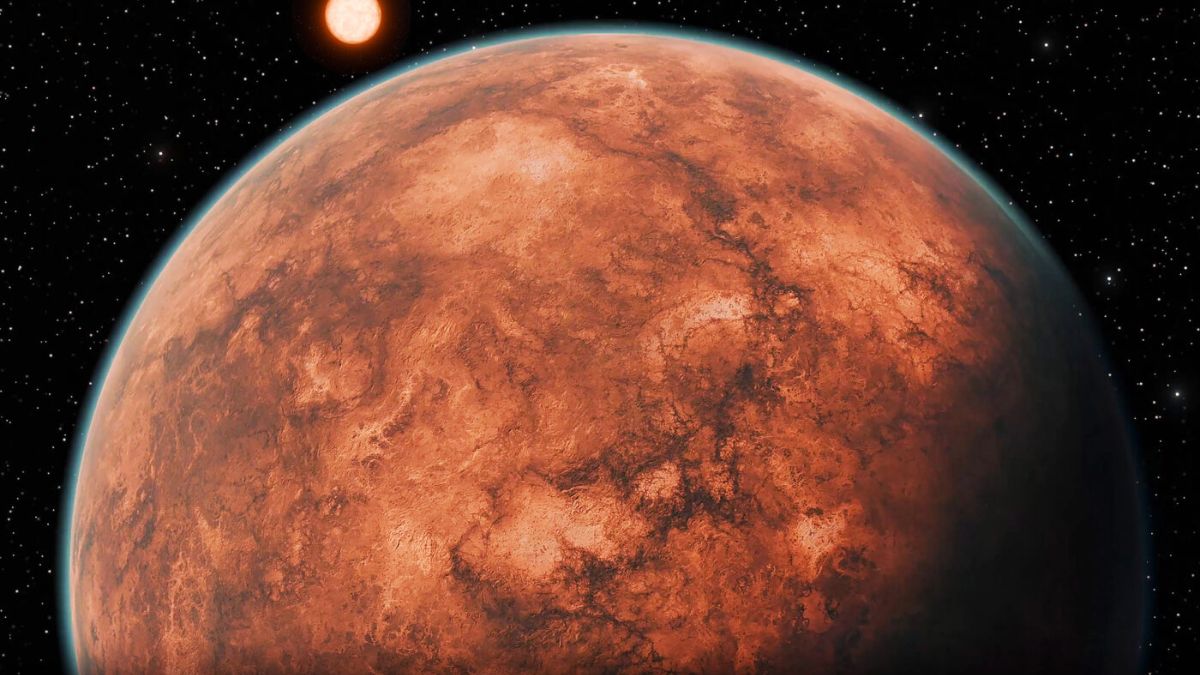
Forget Mars and Titan—there’s a new celestial favorite in town. Meet Gliese 12b, a planet just 31 light-years away that scientists believe could be the closest match to Earth we’ve ever found. Sounds like science fiction, right? But this quiet little world is now making big waves in the scientific community, and the reason is simple: it might actually be habitable.
Let’s look into what we know about this promising exoplanet—and why it’s suddenly the center of attention.
Table of Contents
Location
Gliese 12b orbits a red dwarf star in the constellation Pisces. This star is cooler and smaller than our Sun, which at first may not sound ideal. But here’s the interesting part—Gliese 12b is located in what scientists call the habitable zone. That’s the sweet spot around a star where conditions might allow liquid water to exist on the planet’s surface.
And if you’re talking about life, water is a big deal.
Tools
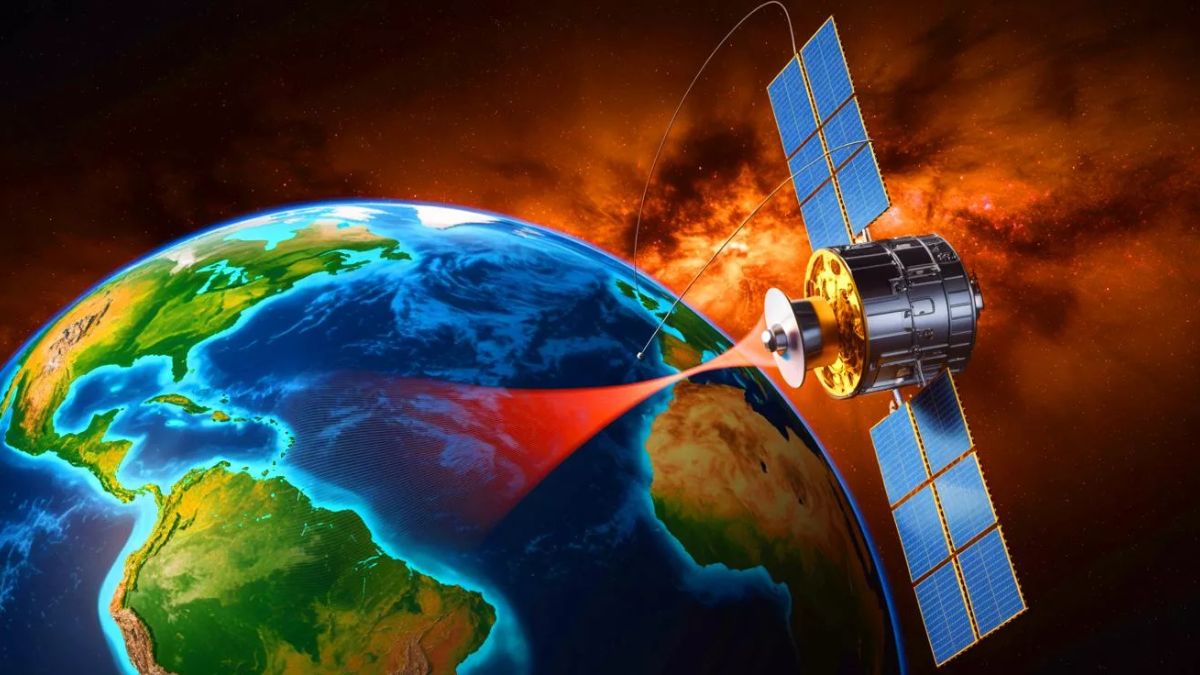
The discovery of Gliese 12b was made possible thanks to TESS, NASA’s Transiting Exoplanet Survey Satellite. TESS detects planets by watching for tiny dips in light as they pass in front of their stars. That’s how Gliese 12b was first spotted.
But spotting a planet is just the beginning. To really understand it, scientists need more advanced tools—like the James Webb Space Telescope (JWST). JWST can pick up details that regular telescopes miss, like heat and light signatures, helping scientists look for signs of an atmosphere or even chemical traces linked to life.
Potential
Is Gliese 12b habitable? The short answer is: maybe.
Right now, scientists don’t know if it has an atmosphere or what kind of air it might hold. But they do know that the planet isn’t being slammed by asteroids or cosmic debris, and they haven’t seen anything violent or chaotic on its surface either.
In fact, early data suggests the planet has a stable environment with temperatures that aren’t too extreme. While that doesn’t confirm the presence of life, it certainly keeps the door open.
Here’s a simple comparison of Earth vs Gliese 12b:
| Feature | Earth | Gliese 12b |
|---|---|---|
| Distance from star | 1 AU (perfect spot) | In habitable zone |
| Atmosphere | Confirmed | Unknown |
| Star type | Sun (G-type) | Red dwarf (cooler) |
| Potential for water | Confirmed | Possible |
| Days to orbit star | 365 days | ~12.8 days |
Discovery
Gliese 12b’s importance lies in what it could represent. Unlike some distant planets that are just too harsh or too far to consider, this one checks a lot of hopeful boxes. It’s close enough (in space terms) that we can study it in more detail. And it’s not too hot or too cold.
The fact that it’s circling a red dwarf also helps scientists study it more often, since its orbit is shorter—it goes around its star in just under 13 days. That gives researchers more opportunities to observe it with their instruments and track changes over time.
Future
Imagine the possibilities if Gliese 12b turns out to have water, an atmosphere, and temperatures suitable for life. It could become our most promising candidate for a “second Earth.” That alone is enough to inspire scientists to dig deeper.
For now, there’s no direct evidence of life, but Gliese 12b offers new hope in the search. After all, it wasn’t long ago that Mars and Titan were our only serious bets. But now we’ve got a whole new player in the game—and it’s changing the way we think about life beyond Earth.
FAQs
Where is Gliese 12b located?
It’s 31 light-years away in the Pisces constellation.
Is Gliese 12b habitable?
It might be, but scientists are still studying it.
What makes Gliese 12b special?
It’s in the habitable zone and could hold water.
What tools are used to study it?
TESS and the James Webb Space Telescope.
Could Gliese 12b have life?
It’s possible, but there’s no proof yet.