
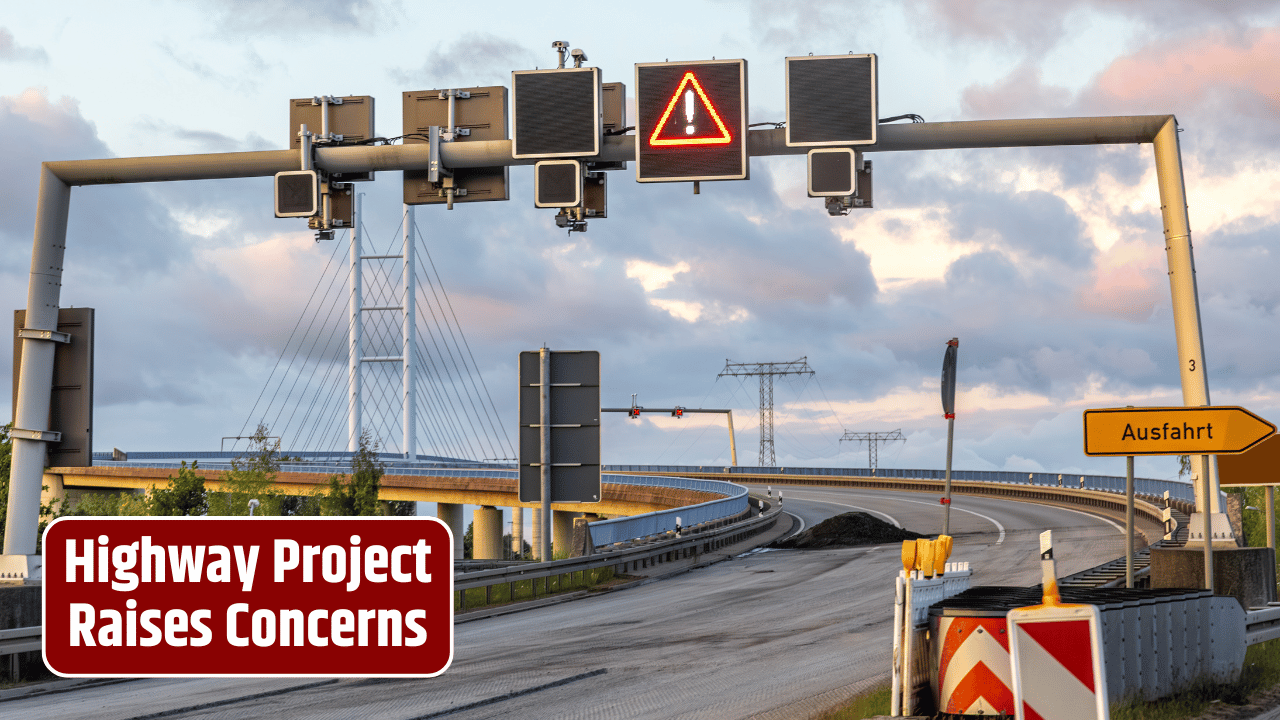
Rush hour around here isn’t so much an inconvenience as it is a daily grind—horns blaring, cars inching, tempers flaring. So when state officials rolled out plans for a major highway expansion, promising smoother commutes and safer roads, it was bound to get attention. The proposal? Add new lanes, rebuild key interchanges, and stretch the corridor to handle surging traffic volumes projected over the next 20 years.
But almost as soon as the ink dried on the draft plan, the pushback began. Some residents see relief ahead; others see bulldozers in their backyards. The fight over whether expansion brings solutions—or fresh headaches—has now become one of the region’s most hotly debated issues.
Table of Contents
What the Project Involves

The expansion focuses on a 25-mile stretch of one of the busiest highways in the region.
| Element | Current State | Proposed Change |
|---|---|---|
| Lanes | 6 lanes total | 8–10 lanes total |
| Interchanges | Aging, congestion-prone | Full redesign & modernization |
| Traffic Volume (daily) | 180,000 vehicles | Projected 240,000 by 2045 |
| Safety Issues | High crash rate | Improved shoulders, smart tech |
| Estimated Cost | — | $7.5–8.2 billion |
Funding would come from a combination of state bonds, toll revenues, and federal support via the U.S. Department of Transportation.
Why Now?
Officials argue the project is overdue. Commuters lose an average of 62 hours per year stuck in traffic, according to the latest regional mobility report. Freight companies say the bottlenecks are costing them millions annually. And with population growth climbing steadily, planners warn the highway could grind to a standstill without intervention.
The Pushback

Critics say the expansion is a textbook case of “induced demand”—build more lanes, and more cars show up, leaving congestion just as bad within a few years. Environmental groups add another layer of opposition, pointing out that wider highways mean more emissions at a time when the Environmental Protection Agency is urging steep transportation-sector reductions.
Then there’s the community angle. Several neighborhoods would see property impacts, noise increases, and in some cases, home demolitions. “They call it relief,” said one local resident at a town hall. “For us, it feels like removal.”
Possible Alternatives
Advocates for transit argue the billions earmarked for asphalt could be better spent on rail, rapid buses, and bike infrastructure. Others propose congestion pricing or smarter traffic management technology as cheaper fixes. Officials say they’re exploring complementary transit investments, but the highway piece remains the centerpiece.
The Balancing Act

Proponents counter that the expansion is about safety as much as congestion. With crash rates well above the state average, they argue that redesigns—like longer merge lanes, better shoulders, and digital traffic management—could save lives. A trucking association spokesperson summed it up: “This isn’t about luxury; it’s about keeping goods moving and drivers safe.”
Rumors online claim the expansion will “take out entire neighborhoods.” Not true. While some property acquisitions are required near interchanges, official maps show impacts limited to specific parcels, not whole communities. Eminent domain use will be reviewed case by case.
FAQs
How long will construction take?
About 8–10 years, with phased openings along the corridor.
Will tolls increase?
Yes, toll hikes are expected to help cover costs, but officials pledge discounted rates for frequent local commuters.
What happens to homes in the path?
Properties directly impacted will be purchased at fair market value with relocation assistance as required by law.
Could transit replace expansion?
Transit advocates say yes, but current funding streams are heavily earmarked for highway infrastructure. Some parallel transit projects are under review.