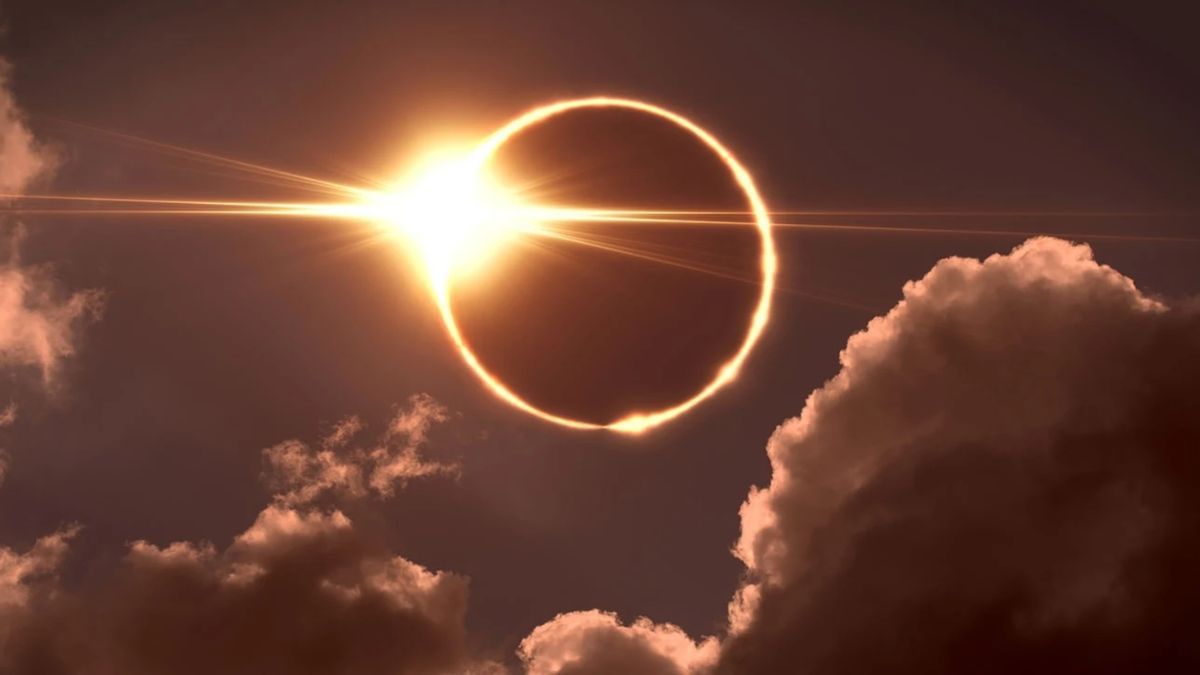
On August 2, 2027, something truly extraordinary will happen—a total solar eclipse will sweep across parts of the Earth, plunging the day into night for over six full minutes. That’s right, more than six minutes of darkness in the middle of the day.
This isn’t your typical eclipse; it’s one of the longest and most impressive in modern history. And the next one this long won’t come until 2114. So if you’re planning to catch a glimpse of this rare event, here’s everything you need to know.
Table of Contents
Eclipse
So, what exactly happens during a solar eclipse? Simply put, it’s when the Moon moves directly in front of the Sun and casts a shadow on Earth. This blocks sunlight and, for a few brief moments, turns day into night. Usually, totality only lasts 2 or 3 minutes. But this time, something much more spectacular is on the cards.
The 2027 eclipse will last 6 minutes and 23 seconds at its peak. That’s double the usual time—making it an unforgettable experience for anyone lucky enough to be in its path.
Timing
Why will this one last so long? It’s all about timing and positioning in space.

In August 2027, two rare celestial events will align. First, Earth will be at aphelion—its farthest point from the Sun. That makes the Sun appear slightly smaller in the sky. Second, the Moon will be at perigee—its closest point to Earth—which makes it appear larger than usual.
So, with a smaller-looking Sun and a bigger-looking Moon, the eclipse will be deeper, longer, and more complete. Also, since the Moon’s shadow will travel near the equator, where Earth’s rotation is faster, the duration of totality will be stretched out even more.
Path
This eclipse won’t be visible everywhere—but for those in the right spots, it will be unforgettable.
Here are the main areas where the eclipse can be seen:
| Location | Duration of Totality |
|---|---|
| Luxor, Egypt | 6 minutes 23 seconds |
| Cádiz, Spain | ~4 minutes |
| Málaga, Spain | ~4 minutes |
| Tangier, Morocco | Full darkness |
| Tetuan, Morocco | Full darkness |
The eclipse begins in the Strait of Gibraltar, crosses southern Spain, sweeps through North Africa and the Middle East, and ends over the Indian Ocean. The best views will be in Egypt, particularly around Luxor, where totality lasts the longest.
Safety
Watching a solar eclipse is an amazing experience, but only if you do it safely.
Looking directly at the Sun—even during an eclipse—can cause serious eye damage. That’s why it’s essential to use ISO 12312-2 certified solar viewing glasses. Regular sunglasses won’t cut it.
Also, keep in mind the hot summer conditions in August, especially in regions like Egypt and North Africa. Pack plenty of water, wear sun protection, and bring whatever gear you need to stay comfortable outdoors while waiting for the show to begin.
Rarity
This isn’t just any eclipse—it’s a once-in-a-lifetime event. Most total eclipses are over in just a couple of minutes. But in 2027, you’ll get more than six minutes of darkness. The next time this will happen again? Not until the year 2114.
That means most people alive today won’t see anything like it again. So, if you ever dreamed of witnessing one of nature’s most awe-inspiring moments, this is the time to plan your trip.
Connection
There’s something magical about a total solar eclipse. It flips your sense of reality for a few minutes. Suddenly, the sky goes dark, stars and planets become visible, and everything feels still—as if the universe is reminding us just how small we are in the grand scheme of things.
This rare moment isn’t just a scientific event—it’s a spiritual one too. Whether you’re a stargazer, a traveler, or just someone looking for a unique life experience, the 2027 solar eclipse is your chance to feel a little more connected to the cosmos.
FAQs
When is the 2027 solar eclipse?
It will occur on August 2, 2027.
How long will the eclipse last?
It will last up to 6 minutes and 23 seconds.
Where can I see the eclipse?
It will be visible in Spain, Morocco, Egypt, and parts of the Middle East.
Is it safe to watch without glasses?
No, always use ISO-certified eclipse glasses.
When will the next long eclipse happen?
Not until the year 2114.