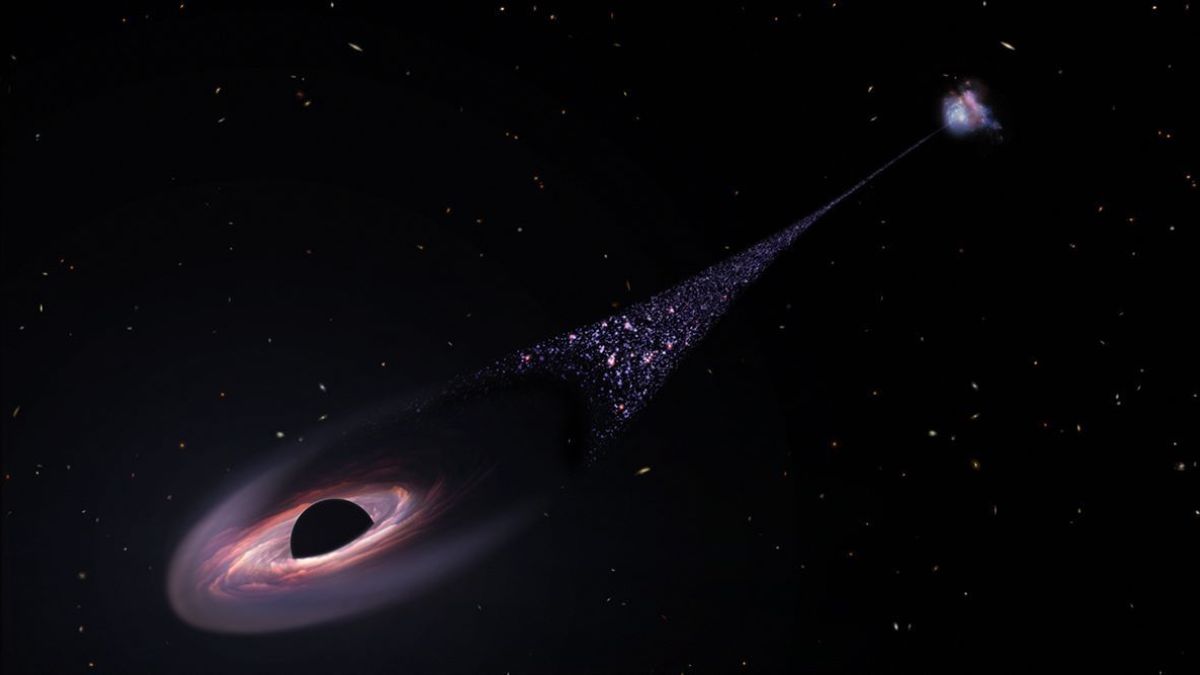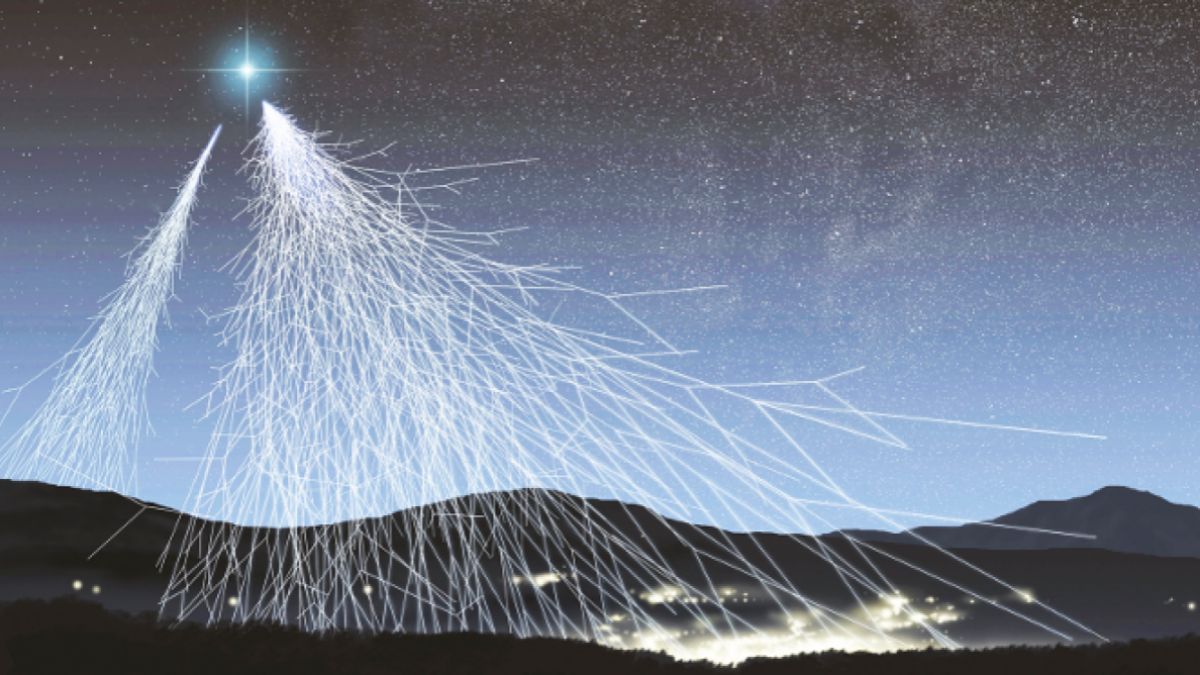

Every few decades, the night sky offers something extraordinary, and this time it’s the mysterious star T Coronae Borealis getting ready to put on a rare cosmic show. NASA has confirmed that this peculiar star is on the verge of a brilliant explosion—a phenomenon visible from Earth without any telescope. If you’ve ever wanted to witness a real-life “new star” appearing in the sky, this is your chance.
Let’s break down what’s happening, what to expect, and why this moment matters.
Table of Contents
Mystery
T Coronae Borealis, or T CrB for short, sits quietly in the Coronae Borealis constellation about 3,000 light years away. This star is famous among astronomers for its odd behavior. It usually appears dim and faint, almost impossible to spot with the naked eye. But every 80 years or so, it erupts in a sudden burst of light, becoming one of the brightest objects in the night sky—for a brief time.
Known as the Blaze Star, it last exploded in 1946. With its brightness fading rapidly in recent months, astronomers believe another eruption is imminent.
Behavior
T CrB isn’t a single star—it’s a duo. This binary star system is made up of a red giant and a white dwarf. The white dwarf constantly steals gas from the red giant, like a sneaky cosmic thief. Over time, all that stolen material builds up on the white dwarf’s surface. When there’s too much, it triggers a thermonuclear explosion.

Imagine a pressure cooker filled to the brim and suddenly bursting—except this one is in space and releases enough energy to light up the sky.
Despite the drama, both stars survive. They go back to their quiet routine until the buildup happens again. That’s why it’s called a “recurrent nova.”
Brilliance
On a normal night, T CrB has a magnitude of around +10. That’s way too faint to be seen without a telescope. But during its rare eruption, the star jumps to about +2 magnitude. For reference, that’s nearly as bright as Polaris, the North Star.
So yes, you’ll be able to see it with your naked eyes. But don’t blink—this star only shines brightly for less than 24 hours before fading back into the darkness.
Here’s how the brightness compares:
| Star | Magnitude | Visibility |
|---|---|---|
| T CrB (Normal) | +10 | Not visible |
| T CrB (Explosion) | +2 | Visible to the eye |
| Polaris (North Star) | +2 | Visible to the eye |
Location
Finding T Coronae Borealis in the sky can be a fun little adventure. It lies in the Coronae Borealis constellation, shaped like a half-moon, tucked between the Boötes and Hercules constellations.
A helpful tip? Draw an imaginary line between Arcturus (the brightest star in Boötes) and Vega (the shining star in Lyra). Right in the middle, you’ll spot the Coronae Borealis. Or better yet, use a stargazing app on your phone—it’ll guide you straight there.
Science
This isn’t just a pretty light show. The explosion of T CrB gives scientists a front-row seat to understand how stars evolve and interact in binary systems. Watching it unfold helps researchers distinguish between two powerful types of cosmic events:
- Nova: A surface explosion on a white dwarf—what T CrB does.
- Supernova: The total death of a massive star, a much larger and deadlier explosion.
By observing T CrB, astronomers can collect valuable data to refine their models of stellar life cycles and the behavior of matter under extreme conditions.
Timing
Why is everyone talking about this now? Because the signs are all there. In early 2024, astronomers saw T CrB dimming again, a sure clue that an eruption might be near. The white dwarf is absorbing gas faster than usual, and this kind of activity has only been observed in the final run-up to past explosions.
The last known explosion was in 1946, and before that, records suggest sightings going all the way back to 1217. Now, nearly 80 years later, we may be just days or weeks away from witnessing it again.
If all goes as predicted, we’ll see a new star appear out of nowhere, shine with stunning brightness, and then quietly vanish—all in one night. Blink, and you’ll miss it.
So, if you enjoy gazing at the stars or just love rare natural wonders, mark your calendars and keep your eyes on the night sky. This kind of event only comes around once in a lifetime—literally.
FAQs
What is T Coronae Borealis?
It’s a binary star system in the Coronae Borealis constellation.
When will it explode?
It may explode anytime between now and the end of 2025.
Can I see it without a telescope?
Yes, during its explosion it will be visible to the naked eye.
How long will it stay visible?
Its brightness lasts less than a day, so don’t miss it.
Is this dangerous to Earth?
No, it’s 3,000 light years away and poses no threat.