The Moon is back in the spotlight, and this time it’s not just about exploration—it’s a high-stakes race between global superpowers. NASA’s Artemis program aims to return astronauts to the lunar surface, but former NASA administrator Jim Bridenstine has warned that China might beat the U.S. there. With both nations eyeing the Moon as a stepping stone to Mars and beyond, the question now is: who’s going to get there first?
Table of Contents
NASA
NASA’s plan to return to the Moon is ambitious and relies on multiple systems working together. Here’s the current setup:
- SLS (Space Launch System): The most powerful rocket ever built in the U.S., designed to launch astronauts toward lunar orbit. It has faced delays and budget issues, but it’s now operational.
- Orion Capsule: This spacecraft will carry astronauts to lunar orbit and back to Earth. It has already been tested and is gradually becoming more reusable with each mission.

So far, everything seems to be going in the right direction. But there’s a catch—and it’s a big one.
Starship
NASA selected SpaceX’s Starship, in a variant called the Human Landing System (HLS), to take astronauts from lunar orbit down to the surface. That’s where things start to get complicated.
Bridenstine pointed out several concerns:
- Orbital Refueling: Starship will need extra fuel to reach the Moon. This requires multiple launches and in-orbit refueling—a method that has never been done before at this scale.
- Human Rating: The HLS version of Starship hasn’t been certified to carry astronauts. This certification process is long and hasn’t even started yet.
- Lunar Orbit Waiting Time: There are still questions about how long Starship can safely wait in lunar orbit before astronauts arrive in Orion.
- Crew Safety: Some mission plans may leave astronauts on the surface for up to a week without a guaranteed quick return to Orion, raising serious safety concerns.

These challenges make the mission far more complex and, according to Bridenstine, risky compared to other potential systems.
Controversy
In 2021, NASA awarded the moon lander contract exclusively to SpaceX, leaving out other big contenders like Blue Origin and Dynetics. The decision came at a time when NASA didn’t have an official administrator.
Bridenstine criticized this move, calling it the most important architectural choice in NASA’s history. He suggested that no administrator would have made such a risky decision without broader input.

Even Blue Origin filed a lawsuit against NASA for its choice, although the legal battle ended, the questions around the contract haven’t gone away.
China
While NASA works through its technical challenges, China is moving quickly. The country has already achieved major milestones:
- Landed on the far side of the Moon
- Collected lunar samples and returned them to Earth
- Launched robotic missions to explore different lunar regions
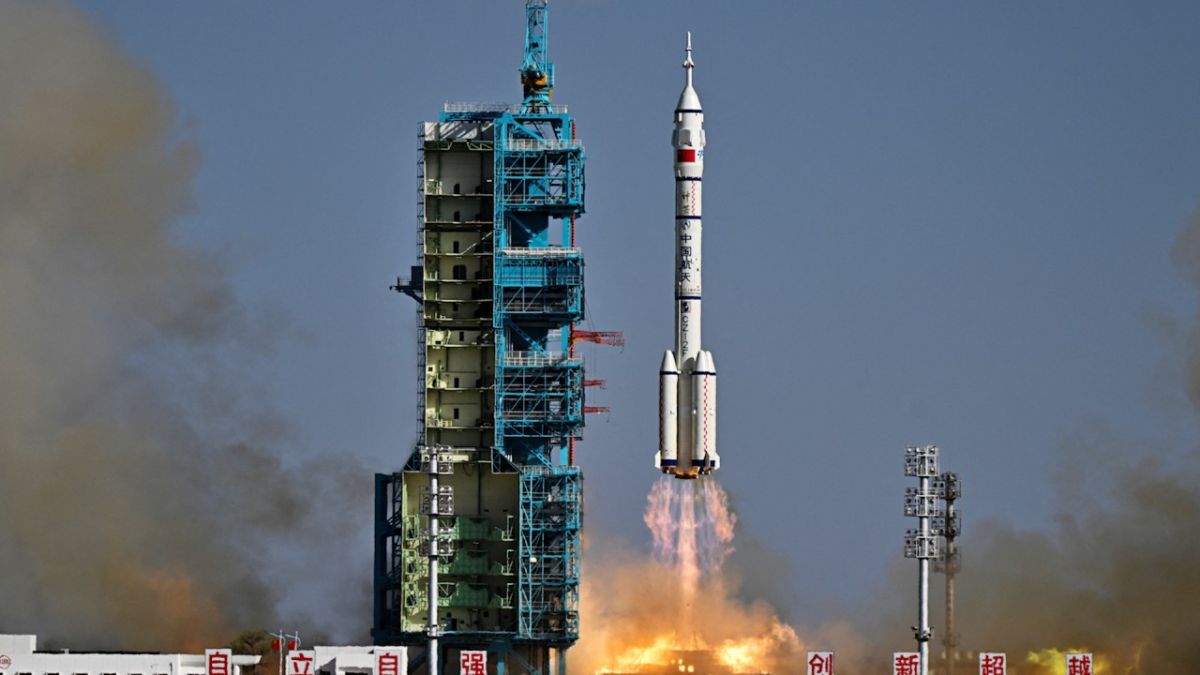
- Announced plans to land astronauts on the Moon before 2030
China’s space program is state-run, centralized, and often moves more decisively than the U.S., where multiple agencies, companies, and legal hurdles can slow things down. If delays continue for NASA’s Starship-based plan, China could end up planting its flag on the Moon before the Artemis program even gets off the ground.
Strategy
NASA insists this isn’t about a flag-planting contest. The Artemis program is a step toward building sustainable human presence on the Moon and preparing for future missions to Mars.
But make no mistake—if China lands first, it could shift the balance of space power. It would showcase Chinese technological advancement and global influence in a domain long dominated by the U.S.
Landing on the Moon is no longer just about exploration; it’s about leadership, tech development, and geopolitical positioning.
Watch
This new space race is heating up fast. With timelines tightening and international tensions rising, everyone’s watching to see who takes the next giant leap.
Whether it’s NASA’s complex and groundbreaking plan or China’s rapid, focused progress, the next few years are going to define the future of space exploration.
Either way, the world is watching—and the Moon is waiting.
FAQs
What is Artemis?
NASA’s program to return astronauts to the Moon.
Who is building NASA’s lunar lander?
SpaceX is developing the Starship HLS.
Why is Starship a concern?
It needs refueling in orbit and isn’t human-rated yet.
When will China send astronauts to the Moon?
China plans to land astronauts by 2030.
Could China land before NASA?
Yes, if NASA faces more delays, China could go first.