Imagine waking up and suddenly your GPS won’t load, your phone has no signal, the lights start flickering, and the internet’s gone. Sounds like a sci-fi movie, right? Well, NASA says this could become a reality—soon. They’re calling it an “event of technological darkness,” and it might hit Earth as early as 2026.
This isn’t about aliens or apocalyptic fantasies. It’s based on solid science. The warning comes directly from NASA, and it’s all tied to a powerful force in our solar system: the Sun.
Table of Contents
Darkness
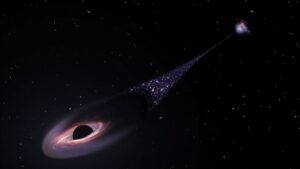
So, what exactly is this “event of technological darkness”? According to NASA, it’s a temporary but powerful technological blackout caused by a strong solar storm.
These solar storms begin on the Sun. Sometimes, the Sun erupts with massive energy blasts called solar flares and coronal mass ejections (CMEs). When this happens, huge amounts of charged particles and radiation shoot through space—and if Earth is in the path, we’re in for a wild ride.
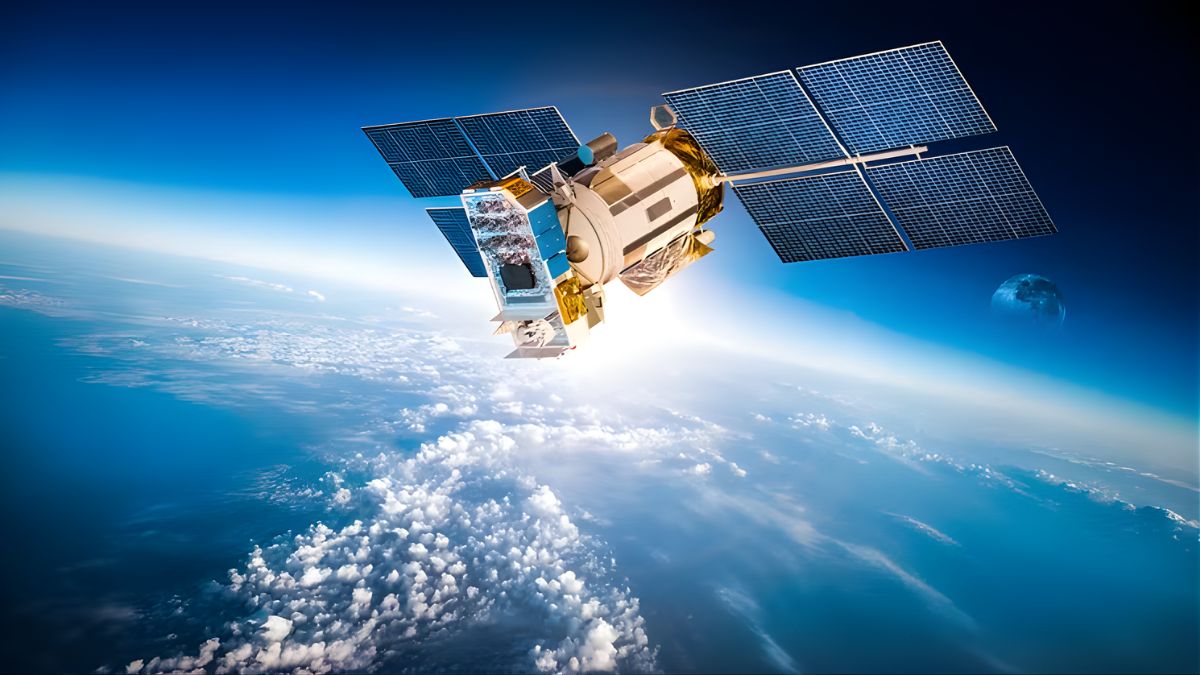
A strong enough storm can disrupt satellites, knock out power grids, interfere with GPS, and basically shut down any tech that relies on electricity or communication. Sounds dramatic? It is. Even a short blackout could trigger global chaos.
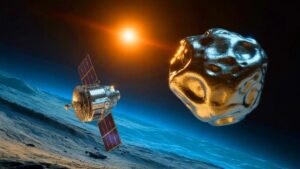
That’s why NASA is launching the SunRISE mission—to better understand these solar storms, track their activity, and hopefully learn how to protect our tech before a major event hits.
History
This isn’t the first time something like this has happened. Back in 1859, Earth was hit by a monster solar storm known as the Carrington Event. It was so powerful that it knocked out telegraph systems worldwide and caused stunning auroras that lit up the sky, even in areas near the equator.
Now, imagine that same storm hitting us today. We’re not just talking about lost messages. We’re talking about losing access to the internet, energy, banking systems, transportation, and even hospitals—all within hours.
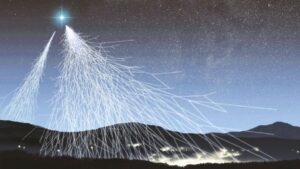
It’s a chilling reminder of how dependent we’ve become on digital systems, and how quickly it can all go offline when nature decides to flex its power.
Impact
What would really happen if a massive solar storm hit Earth? Here’s a quick breakdown:
- Satellites could stop working, disrupting GPS, internet, and communications.
- Power grids might fail, leading to large-scale blackouts.
- Navigation systems in planes, ships, and even cars could be knocked offline.
- Banking, emergency services, and healthcare systems would go dark.
At first, it might seem like a glitch. But within hours, the effects could ripple across the globe. Flights grounded. Digital payments down. Hospitals running on backup power. And if the blackout lasts long enough, global trade could come to a grinding halt.
This is why NASA and other space agencies are treating it as a real and immediate concern.
Spaceview
From space, this type of solar activity is stunning—and terrifying. Astronauts and satellites would be able to see solar flares erupting from the Sun, launching massive waves of radiation toward Earth.
Luckily, NASA has instruments in space that constantly watch the Sun. They can detect these solar storms early, giving Earth a bit of warning before the storm hits. This time window is short—sometimes just hours—but it can be enough to take emergency precautions.
Instruments onboard space telescopes, solar observatories, and satellites like the Parker Solar Probe allow scientists to watch the Sun’s activity closely, capturing real-time data and images. These are the warning lights that help protect our modern world from sudden digital collapse.
Protection
NASA isn’t sitting around hoping it won’t happen. They’re actively preparing. The upcoming SunRISE mission is designed to track radio signals from the Sun’s outer atmosphere, helping scientists decode how solar flares and CMEs form and travel.
Other missions, like the Parker Solar Probe and Solar Dynamics Observatory, are helping build detailed maps of the Sun’s magnetic activity. All this data is vital. It helps scientists create predictive models and warn power companies, communication networks, and even airlines before the worst happens.
Governments are also involved, building response plans for critical infrastructure like hospitals, airports, and financial systems. But the challenge is massive—and the window to act can be tiny.
Future
We don’t know exactly when the next solar storm will hit. But NASA believes that 2026 could be a high-risk year, based on the Sun’s current cycle of activity.
That gives us time—but not much. The more we prepare now, the better we can protect ourselves from being plunged into a technological blackout that could change how the world functions for days or even weeks.
And while the Sun’s fury is natural, the risks it poses are very much human. Because in 2025, nearly everything we rely on is plugged in, powered up, or online. A little storm from 93 million miles away might be all it takes to pull the plug.
FAQs
What is a technological darkness event?
It’s a tech blackout caused by a powerful solar storm.
When could this event happen?
NASA says it could happen as early as 2026.
What causes these solar storms?
Solar flares and coronal mass ejections from the Sun.
Will the power grid shut down?
Yes, strong storms can cause large-scale blackouts.
How is NASA preparing for it?
Through missions like SunRISE to study the Sun’s activity.