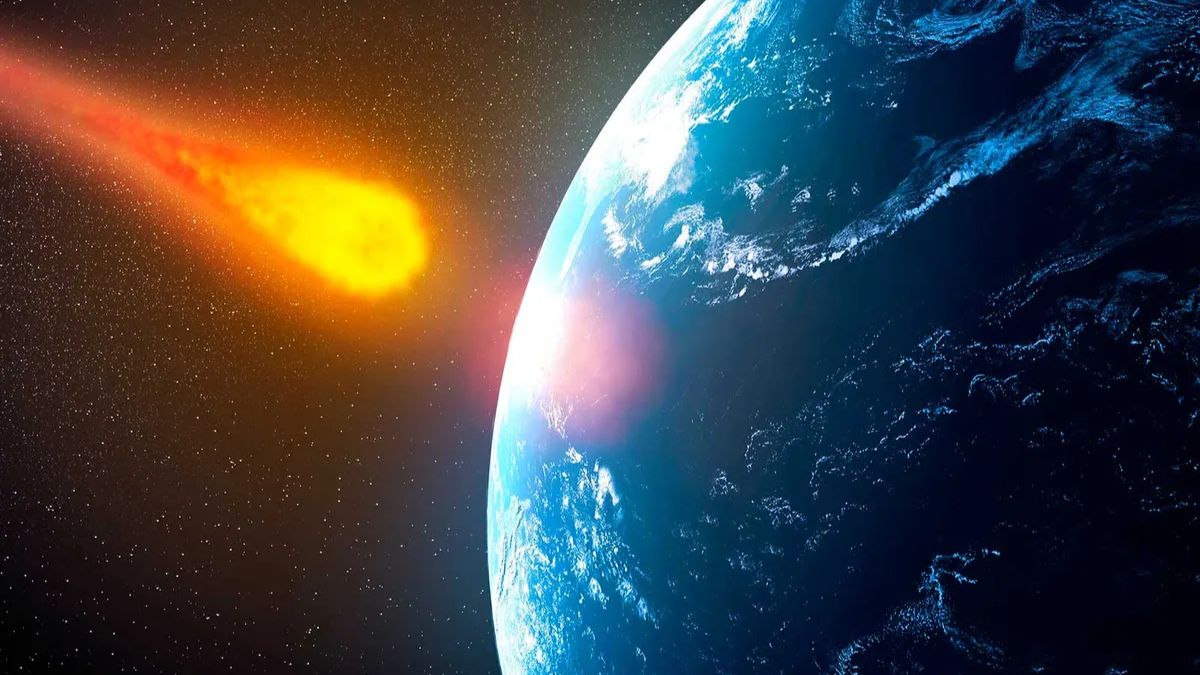
Space is full of wonders, but every now and then, something truly rare happens—something even scientists weren’t expecting. This time, it wasn’t a supernova or a massive planet discovery. Instead, astronomers captured something that’s never been seen before: a comet in the middle of dying. Yes, you read that right. For the first time ever, scientists observed a comet slowly fading away, losing the very stuff that once made it shine.
It’s a glimpse into the end of a cosmic life—and a chance to know what happens when one of space’s icy travelers reaches its final chapter.
Table of Contents
Discovery
The comet wasn’t discovered on purpose. A team of astronomers was scanning the sky for strange signals, as they often do, when they noticed something unusual. It didn’t shine. It didn’t stand out. It was faint, almost invisible—so quiet that it blended into the background noise of space.
What caught their attention was its path. It moved like a comet, but it didn’t look like one. That was enough for them to dig deeper, using more sensitive telescopes and tools here on Earth. And what they found was a dying comet—right in the middle of its final phase.
Unusual
Most comets we hear about are bright, glowing, and beautiful. They streak through the sky with long tails that sparkle for millions to see. But this one? Not even close.

This comet had already lost its glow. It wasn’t shining. Scientists think that’s because it had used up all the materials that usually make comets shine—mainly ice and gas. These are the parts that heat up when a comet gets close to the Sun, creating that famous tail. But this comet had none left.
Instead, it left behind a trail of dust and tiny bits, like a frayed old blanket falling apart in slow motion.
Meaning
What scientists saw was more than just a fading object—they witnessed a comet in its terminal phase, a process that proves comets don’t last forever. Over time, as they loop around the Sun, comets lose more and more material until there’s nothing left to shine. That’s when they quietly disappear into the darkness of space.

This is the first time we’ve seen that process happening in real time. And that changes a lot.
It shows that even something as dazzling as a comet has a life cycle—a beginning, middle, and end.
Insights
So, what does this discovery mean for science? A lot, actually.
First, it proves that we’re probably missing a lot of these “ghost comets.” If this one was so close and nearly invisible, there might be dozens—or hundreds—more out there that we simply haven’t noticed yet.
Second, it gives scientists a chance to study how comets break down, which is important for understanding how the solar system works. Some researchers even believe old comets could turn into asteroid-like objects once their glow is gone.
Finally, it’s a reminder that space is full of surprises—and that we’re still just scratching the surface of what’s out there.
Future
This discovery is also pushing scientists to improve their tools. Telescopes are getting stronger, faster, and more accurate. And as they improve, we’ll be able to spot more of these faint objects that were previously hidden from view.
The dying comet might be gone, but it left behind something just as valuable: information. And with that, we move one step closer to understanding space not just as a place of light and energy—but as a place where things also fade, change, and evolve.
Reminder
Even though this comet faded into darkness, its discovery lights up a whole new area of research. It’s a quiet reminder that the universe isn’t just about explosions and brightness. Sometimes, the most powerful stories come from what slowly disappears.
So next time you hear about a bright comet streaking across the sky, remember—every glowing light out there will one day dim. And thanks to this discovery, we’ll be ready to understand what that really means.
FAQs
How was the dying comet found?
It was found accidentally during a sky scan for strange objects.
Why was the comet so hard to see?
It had no glow left, making it blend into space’s background.
What makes comets shine?
Ice and gas heat up near the Sun, creating a glowing tail.
What is the terminal phase of a comet?
It’s when a comet loses its structure and fades away.
Why is this discovery important?
It reveals how comets die and what we might be missing in space.