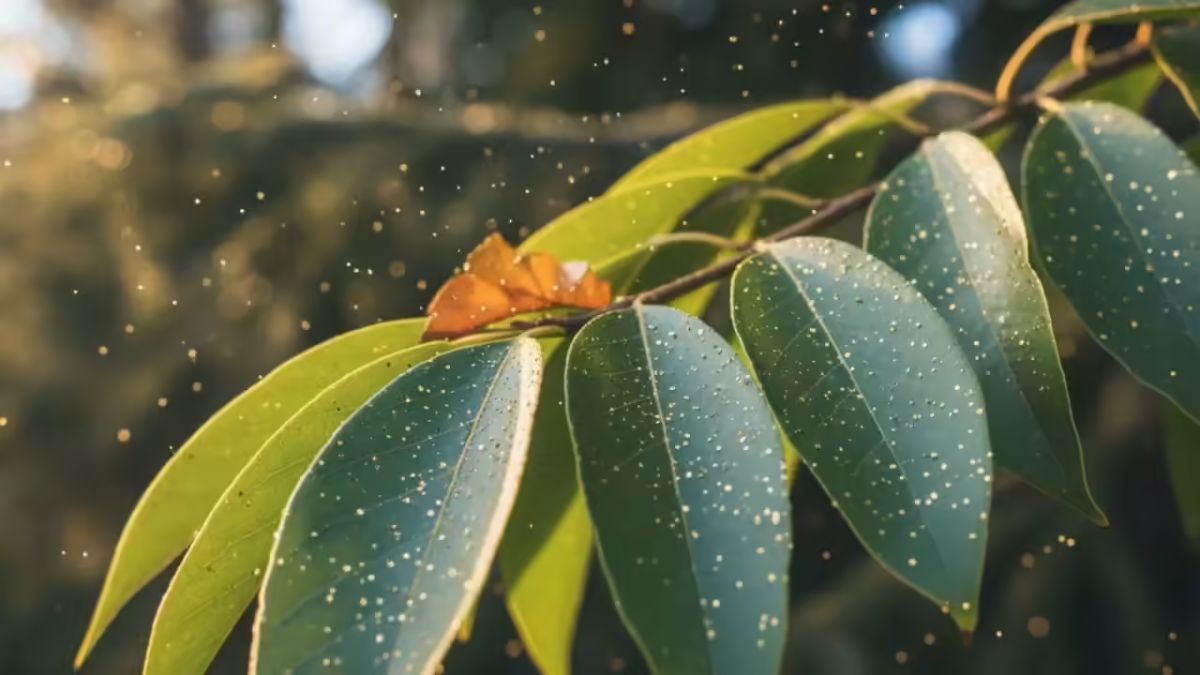
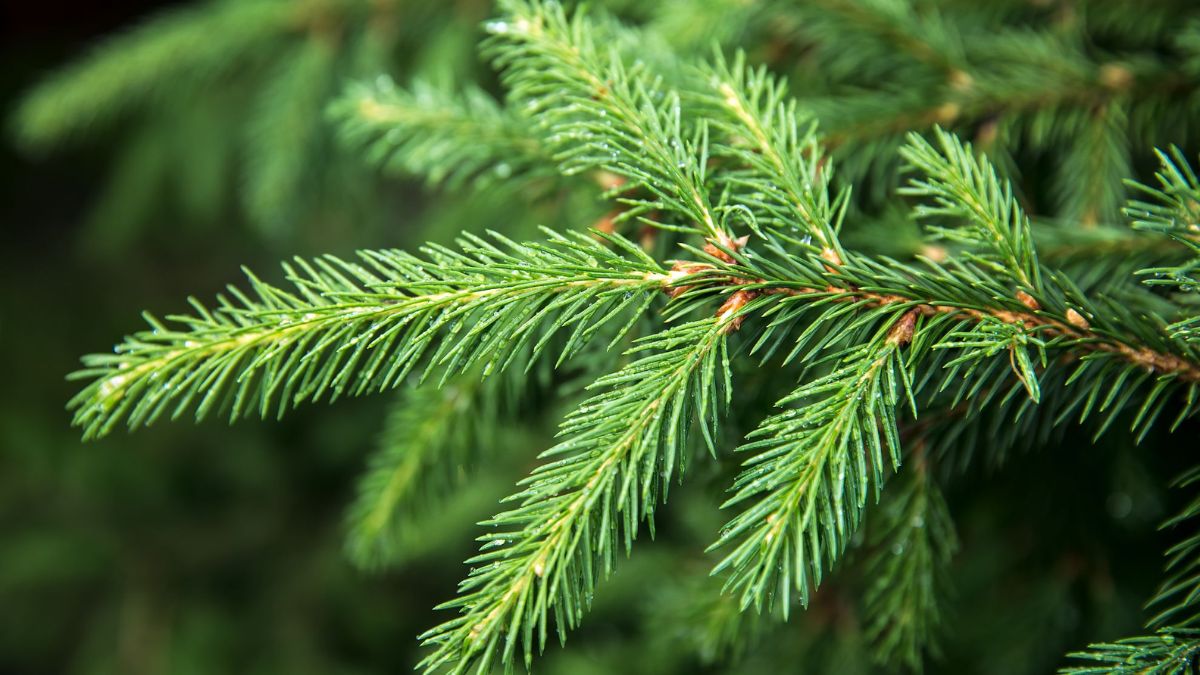
Did you ever think a tree could be a gold detector? Sounds like a fairy tale, right? Like something you’d hear around a campfire deep in a Nordic forest. But guess what—science just proved it’s real. In Finland, the mighty red spruces aren’t just towering trees—they’re holding actual gold in their leaves. Not nuggets or chains, of course, but tiny gold particles formed with the help of invisible microbes under their bark.
Yep, gold in the treetops. And it’s not a myth. It’s the beginning of what scientists are calling green mining—a sustainable approach to mineral exploration that could completely reshape the future of mining.
Table of Contents
Discovery

The groundbreaking discovery happened in northern Finland, at a gold deposit known as Tiira. Researchers from the University of Oulu and the Geological Survey of Finland (GTK) collected 138 spruce needle samples from 23 different red spruce trees. Out of those, four had something stunning inside—real gold.
We’re not talking about a coating of dust or contamination from nearby mining activity. This gold was embedded within the tree structure, woven into the tissue of the leaves. And here’s the wild part: it’s thanks to bacteria.
Microbes living inside the trees are converting gold dissolved in groundwater into solid gold nanoparticles. It’s like nature’s version of alchemy—and these trees are the lab.
Microbes

So, who’s doing the real magic here? Tiny bacteria living under the bark and inside the tree: Cutibacterium, Corynebacterium, and an enigmatic group called P3OB-42.
These bacteria are known as endophytes. They’re not just hanging out inside the tree for fun. They’re actively transforming dissolved minerals from the soil into tiny solid particles. In this case, gold.
The trees aren’t just absorbing gold from the soil—they’re essentially “growing” it, thanks to their microbial roommates. Even though the amount of gold per tree is tiny (about 0.02 euro cents worth), the science behind it is priceless.
Alchemy
What’s truly fascinating isn’t the gold itself—it’s the process. Until now, scientists believed trees only absorbed minerals passively. But this new research proves it’s not just about absorption. It’s about transformation, with bacteria acting as the secret workers behind the scenes.
This changes everything we thought we knew about the relationship between plants and underground minerals. It opens the door to an entirely new way to look into what lies beneath our feet—without disturbing the surface.
Detection
Here’s where it gets really interesting. If trees can store signs of underground gold in their leaves, they could be used as natural detectors. That’s right—trees could help identify mineral-rich areas without digging a single hole.
Imagine walking through a forest with a scanner that analyzes leaf samples. If gold is found, that might mean there’s a deposit underneath. It’s clean, it’s sustainable, and it doesn’t tear up ecosystems.
Check out this quick comparison:
| Method | Traditional Mining | Green Mining with Trees |
|---|---|---|
| Environmental Impact | High | Low |
| Cost | Very High | Low |
| Ecosystem Damage | Severe | Minimal |
| Technology Used | Drilling, Blasting | Microbiology, Analysis |
| Speed | Fast | Moderate |
Sustainability
This is what scientists call green mining. A method where we let nature guide us instead of destroying it. Using trees and microbes to locate minerals is the first step toward making mining more sustainable.
Green mining is about working with the environment, not against it. It’s about tapping into the natural processes that have been happening for millions of years and using science to understand them.
And it’s not just about gold. If this works with other minerals, we could apply this method globally—for copper, nickel, even rare earths. It’s an ecological approach that fuses ecology, geology, microbiology, and nanotech.
Future
Right now, the research is still in its early stages. The scientists are planning to test this method in different climates and soil types to see if the phenomenon is unique to Finland or if it’s more widespread.
But if it works—and signs are promising—we could soon have a non-invasive, plant-based mineral mapping system. Think about it: no more drilling, no more blasting, no more environmental destruction just to see if there’s gold underground.
We’re talking about a future where forests become silent partners in the search for minerals, where trees help point the way to resources without being harmed in the process.
Nature and science, working together, just might turn trees into treasure maps.
FAQs
Do Finnish trees really contain gold?
Yes, red spruces in Finland contain gold nanoparticles.
How does gold get inside the trees?
Microbes inside the tree turn dissolved gold into particles.
Is the gold amount in trees valuable?
No, it’s minimal—only about 0.02 euro cents per tree.
What is green mining?
It’s a sustainable way to detect minerals using nature.
Can this method replace drilling?
Potentially yes, if research proves it’s reliable worldwide.