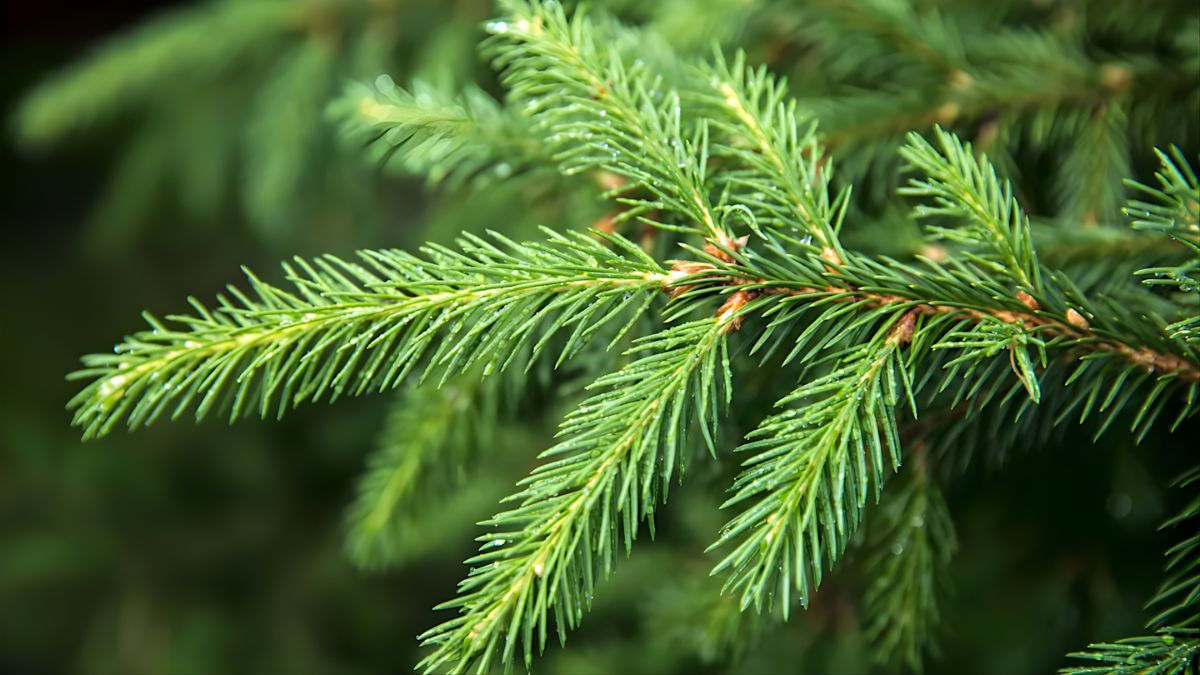
It sounds like a fairytale you’d hear sitting by a campfire in a snowy forest — trees with gold in their leaves. But this isn’t folklore. Finnish scientists have just confirmed that the red spruces of Finland literally contain gold. Not in big nuggets or shiny chains hanging from branches, of course. Instead, gold nanoparticles are formed inside the trees, thanks to a group of tiny microbes quietly working beneath their bark.
This discovery might be the start of a new era for mineral exploration — one that’s cleaner, greener, and way more magical than anything we’ve seen before.
Table of Contents
Discovery
The breakthrough came from a research team at the University of Oulu and the Geological Survey of Finland (GTK). They studied red spruces growing in the Tiira gold deposit area in northern Finland.
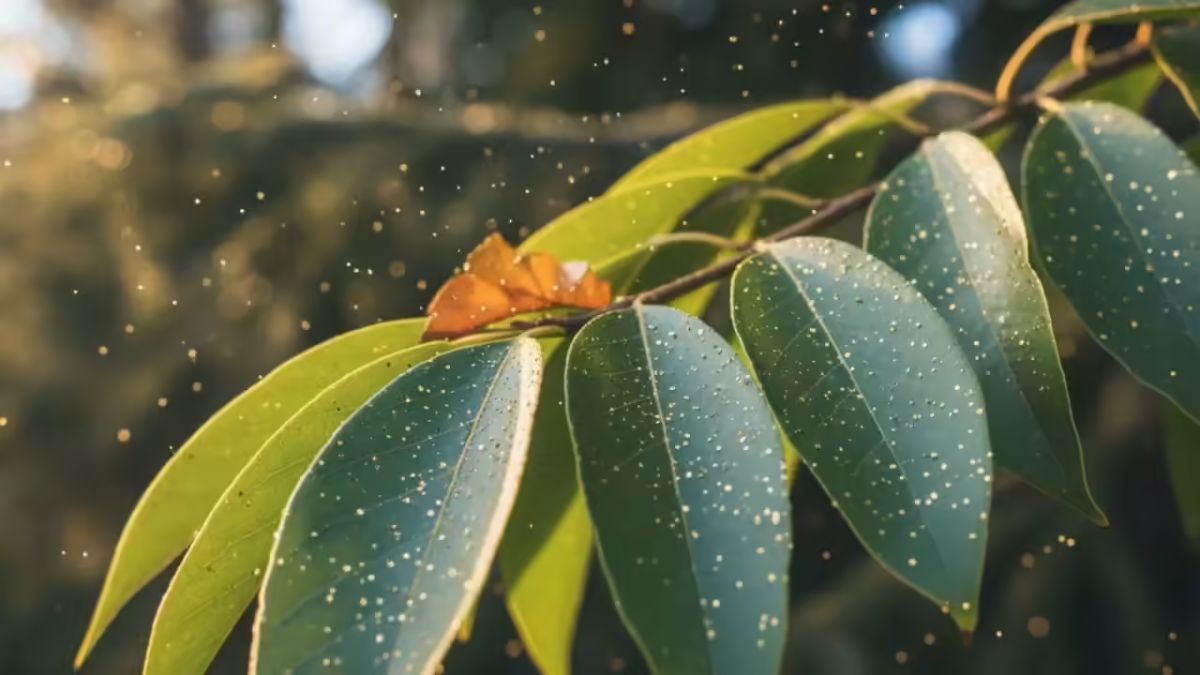
From 23 different trees, they collected 138 samples of spruce needles. And in four of them, they found something incredible: actual gold particles embedded inside the leaves. Not just surface dust or contamination — but gold, woven into the tree’s tissues, as if the forest itself was quietly producing it.
Microbes
So how is this possible? The secret lies in bacteria living within the trees. Scientists identified specific microbes — including Cutibacterium, Corynebacterium, and an unknown group named P3OB-42. These microscopic creatures can transform gold dissolved in groundwater into solid nanoparticles.

Think of them like invisible miners living inside the trees, processing gold with microscopic precision. According to GTK researchers, this completely flips the script on how we think trees interact with underground minerals.
It’s not just the roots passively soaking up nutrients anymore — it’s an active process, driven by microbial chemistry.
Alchemy
We’ve always known that plants absorb minerals from the soil. But the twist here is discovering that it’s the bacteria inside them — called endophytes — doing the real magic. They act like natural alchemists, turning dissolved metals into tiny solid particles.
Now, let’s be clear: each tree doesn’t hold a fortune. The gold found is worth just about 0.02 euro cents per tree. So don’t go rushing into the forest with a saw and a gold pan.
The real treasure is what this discovery means for science — and possibly the future of mining.
Prospecting
Here’s where it gets exciting: what if, instead of drilling into mountains or blasting through forests, we could simply analyze tree leaves to find underground gold?
This would create a method of “green mining” — where nature helps us detect valuable resources without destroying the environment.
Picture it: walking through a forest, sampling leaves, and discovering gold deposits hidden beneath the roots. It’s simple, sustainable, and honestly, kind of poetic.
Potential
This approach could revolutionize how we search for minerals. Scientists believe it could bring together ecology, microbiology, geology, and even nanotech into a new, cleaner way to explore underground.
No more heavy machinery or large-scale excavation — just nature and science working hand in hand.
Spruce trees, already symbols of endurance and elegance, might become nature’s silent prospectors — pointing the way to what lies beneath without ever disturbing the soil.
Future
Of course, this research is still in its early stages. The findings have been published in Environmental Microbiome, and more testing is already planned. The Finnish team hopes to study different soils and climates to see if other trees around the world might do the same thing.
If this can be replicated globally, we might have a powerful, non-invasive tool for mapping underground mineral resources.
Imagine a world where we no longer rip open mountains to find wealth — but instead, read it in the trees. If that’s not the perfect blend of science and wonder, what is?
FAQs
Do Finnish trees really have gold?
Yes, red spruces in Finland contain gold nanoparticles.
How is gold formed in the trees?
Microbes inside the trees transform dissolved gold into particles.
Is the gold valuable?
Not much — about 0.02 euro cents per tree.
Can this help mining?
Yes, it could lead to non-invasive green mining methods.
Where was this discovery made?
At the Tiira gold deposit in northern Finland.