Fatty liver disease is quietly becoming one of the most common health issues today. The tricky part? It often develops without clear symptoms at first. You might feel fine, live normally, and think everything’s okay—until fatigue, digestion problems, or more serious liver complications show up.
According to Dr. Saurabh Sethi, a gastroenterologist trained at Harvard and Stanford, there are five simple signs that anyone can check at home to spot this condition early. Let’s see what they are and how you can protect your liver starting today.
Table of Contents
Definition

Fatty liver disease happens when too much fat builds up in the liver tissue. It’s often linked to obesity, but you don’t have to be overweight to develop it. Diets high in sugar, refined flour, and ultra-processed foods are some of the biggest culprits.
The liver works as the body’s natural filter, processing fats, toxins, and nutrients. When it becomes overloaded with fat, it starts to function poorly—processing slows down, toxins build up, and inflammation begins. Over time, this can lead to fibrosis, cirrhosis, or even liver cancer.
Signs
Dr. Sethi highlights five clear warning signs that could indicate fatty liver disease:
- Waist growth without reason – If your waistline expands suddenly despite no change in your diet or activity level, it could be due to fat accumulation around the liver caused by insulin resistance.
- Constant fatigue – Feeling exhausted even after a good night’s sleep may signal the liver isn’t converting nutrients into energy efficiently.
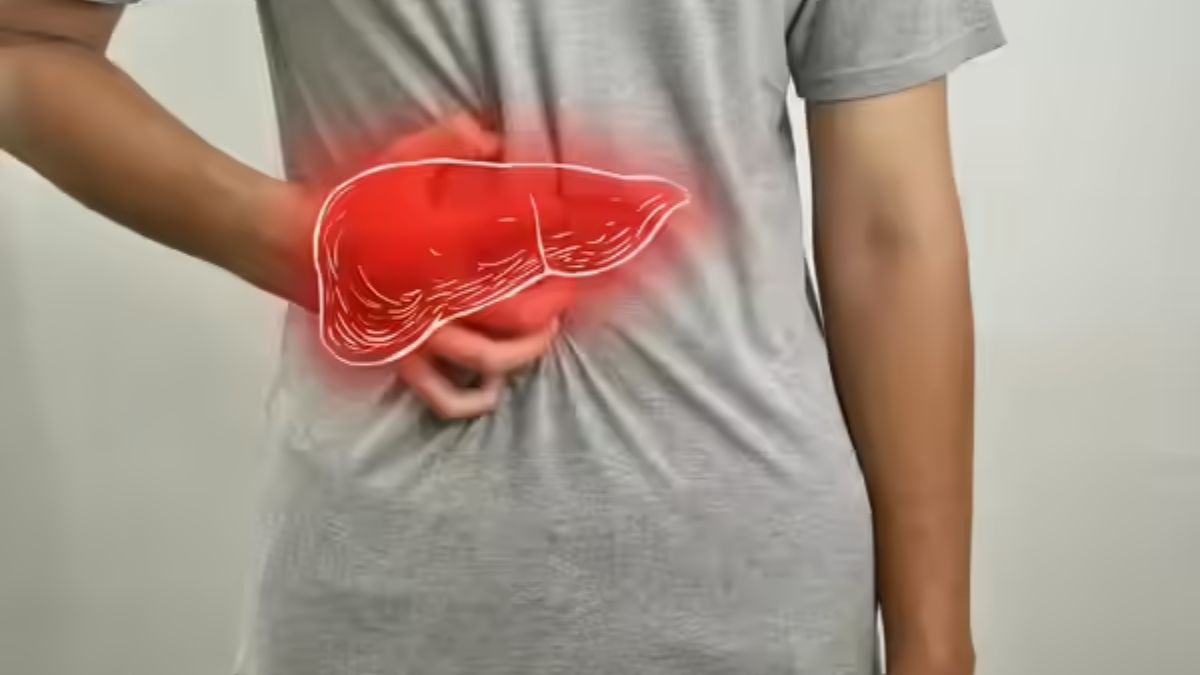
- Discomfort or pressure under the right ribs – The liver sits beneath the rib cage, and inflammation can cause dull pain or heaviness in that area, especially after meals or workouts.
- Skin and eye changes – When the liver struggles to filter toxins and regulate hormones, it can cause dry skin, acne, itching, or a yellowish tint in the eyes and skin.
- Digestive issues – Nausea after light meals, bloating, or loss of appetite can all point to liver overload.

These signs may appear mild at first, but paying attention early can make a big difference in preventing further damage.
Fat
Dr. Sethi reminds us that not all fat is harmful. The real enemies are added sugars, refined oils, and processed foods. Healthy fats—like those from avocado, olive oil, and nuts—are actually beneficial. They help reduce inflammation, improve cholesterol, and protect liver function.
So, it’s not about cutting out all fats, but choosing the right ones.
Care

To protect your liver, simple lifestyle changes can make a huge impact:
- Eat balanced meals rich in vegetables, whole grains, and lean proteins.
- Avoid alcohol and sugary drinks.
- Sleep well and manage stress.
- Move your body daily—walking, swimming, or yoga all help.
- Stay hydrated and cut back on processed snacks.
Dr. Sethi recommends structuring your daily meals so they naturally support your liver’s health. Here’s a practical “puzzle menu” to mix and match nutritious options.
| Meal | Choose 1 Option |
|---|---|
| Breakfast | Oatmeal with banana & chia / Yogurt with apple & nuts / Whole toast with avocado / Green smoothie / Oat porridge with berries |
| Mid-morning | Green apple & almonds / Pear & plant yogurt / Carrot sticks & hummus / Kiwi & walnuts / Whole toast with avocado |
| Lunch | Lentil salad + baked fish / Grilled chicken + brown rice / Tofu + veggies + quinoa / Pumpkin soup + omelet / Chickpea salad |
| Snack | Yogurt with flax / Berry smoothie / Infusion + nuts / Apple compote / Bread with hummus |
| Dinner | Baked eggplant + egg / Stuffed zucchini + turkey / Veggie soup + fish / Zucchini cream + omelet / Arugula salad with beet & egg |
With more than 600 possible combinations, you’ll never get bored—and your liver will thank you.
Prevention
A healthy liver doesn’t just happen—it’s built daily through small, consistent habits. Reducing refined sugar, sleeping better, and choosing whole foods can reverse early signs of fatty liver before it becomes dangerous.
Your body gives subtle hints when something’s wrong. Listening to them, as Dr. Sethi advises, is the key to staying ahead of disease and keeping your liver strong for years to come.
FAQs
Who is Dr. Saurabh Sethi?
A gastroenterologist trained at Harvard and Stanford.
What causes fatty liver?
Too much fat buildup from sugar, processed foods, or obesity.
What are 5 signs of fatty liver?
Waist gain, fatigue, right rib pain, skin issues, poor digestion.
Can fatty liver be reversed?
Yes, with healthy diet, exercise, and less alcohol and sugar.
What foods help the liver?
Avocado, olive oil, oats, nuts, fruits, and vegetables.