When someone says “Texas,” what pops into your head? Cowboys, barbecues, big hats, or maybe country music? Well, it’s time to expand that list—because the Texas desert just revealed a long-lost secret that’s flipping the script on everything we thought we knew.
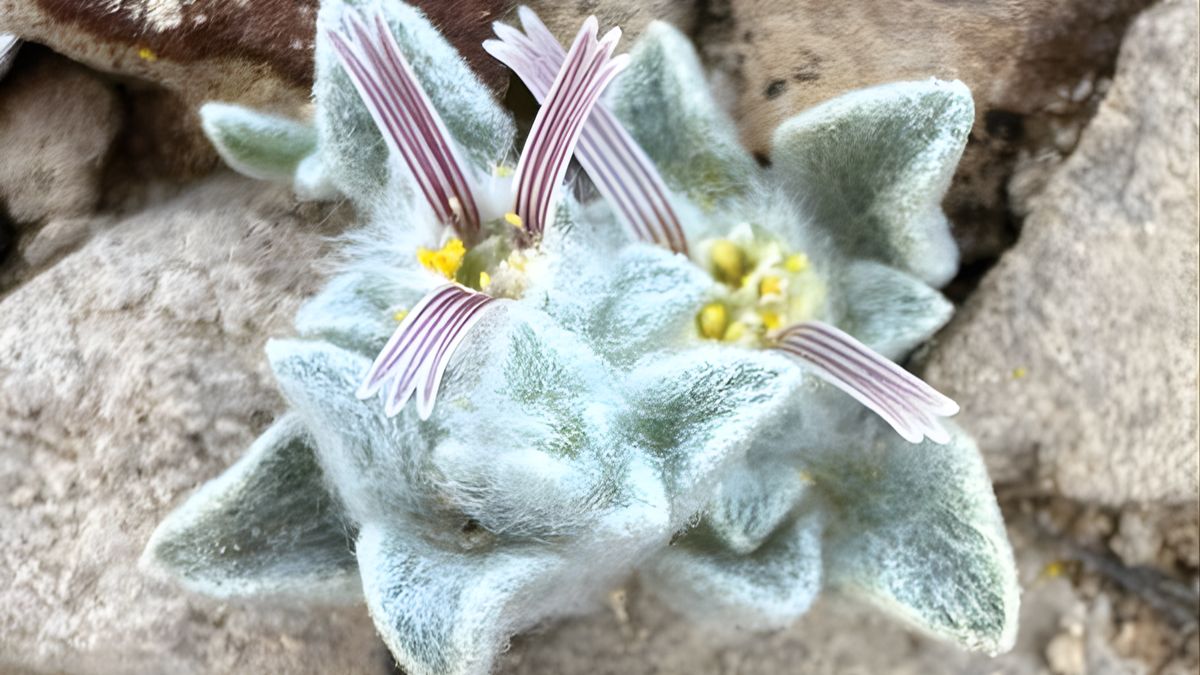
Meet the Woolly Devil, a mysterious little plant that hadn’t been seen in over 50 years, now found thriving in the harsh, sun-baked lands of Big Bend National Park.

Let’s cut into this fascinating story of discovery, resilience, and what it means for science, nature, and the future.
Table of Contents
Discovery
Big Bend National Park, tucked away in the vast Chihuahuan Desert, is known for its extreme heat and rugged, unforgiving terrain. It’s a place where only the toughest survive—and until recently, it wasn’t considered a hotspot for major scientific discoveries. That all changed when a sharp-eyed park volunteer named Deb Manley stumbled upon something strange.
At first, no one knew what it was. Just a tiny plant hiding under the desert sun, easily missed by anyone not paying close attention. But this wasn’t just any desert weed—it turned out to be the Woolly Devil, a plant so unique it needed its own brand-new genus.
Features

So what makes the Woolly Devil so special? First off, it’s tiny. The whole plant is less than 8 centimeters across, which is about the size of a bottle cap. But its looks are what really steal the show.
Here’s what stands out:
- Its surface is covered in soft, white hairs—giving it a fuzzy, wool-like appearance.
- It has two maroon florets that resemble little horns, which is how it got its devilish nickname.
- It reproduces very poorly, which explains why it’s so rare.
Because of these one-of-a-kind traits, scientists didn’t just add it to a plant list—they had to create a whole new genus for it: Ovicula biradiata.
Rarity

If this sounds like a once-in-a-lifetime discovery, it pretty much is. The last time a rare plant like this was found in a U.S. national park was way back in 1976, in Death Valley, California. That one was called Dedeckera eurekensis, also known as July Gold. Like the Woolly Devil, it was fragile, hard to reproduce, and a total surprise to scientists.
Finding the Woolly Devil now, nearly 50 years later, makes it a truly historic moment for botanical science—and a reminder that nature is full of surprises.
Impact
Why does this little plant matter so much? It might not look like much, but its discovery has major implications:
- Life finds a way – The Texas desert is one of the harshest environments on Earth. Finding a plant that not only survives but thrives there is a reminder that life can be incredibly resilient.
- We don’t know it all – Even in well-explored places like Big Bend, nature can still hide surprises. It’s a nudge to keep exploring and stay curious.
- Parks are powerful – Discoveries like this highlight how important protected areas really are. National parks don’t just preserve landscapes—they protect unknown species we might not even know exist.
Future
The Woolly Devil is a symbol of hope for scientists and nature lovers. If this little guy was hiding out in the desert all this time, who knows what else might be out there—unseen in the mountains, forests, or even your local trail?
Its discovery also shows how vital everyday people are in science. You don’t have to be a professional researcher working in a lab to make a breakthrough. Volunteers, hikers, and curious minds can help uncover nature’s secrets—just like Deb Manley did.
So, next time you think of Texas, go beyond the cowboy hats and brisket. Think about a tiny, fuzzy plant with horns, braving the desert heat—and remember, the Woolly Devil is proof that the world still has mysteries waiting to be found.
FAQs
What is the Woolly Devil?
A tiny desert plant with white hairs and horn-like flowers.
Where was it found?
In Big Bend National Park, located in the Texas desert.
Why is it rare?
It reproduces poorly and hasn’t been seen in 50 years.
Who discovered the plant?
A park volunteer named Deb Manley found it.
What is its scientific name?
It’s called Ovicula biradiata, a brand-new plant genus.