You might not have heard of Rakus before, but once you do, he’s pretty hard to forget. In the summer of 2022, deep in the rainforests of Sumatra, Indonesia, a male orangutan named Rakus got into a fight that changed the way we think about animals—and even ourselves. He didn’t just survive a brutal injury. He treated it. With medicine. That he made. From a plant.
Let’s cut into the incredible story of how Rakus shocked scientists, defied expectations, and reminded us how little we truly know about the intelligence of the animal kingdom.
Table of Contents
Rakus
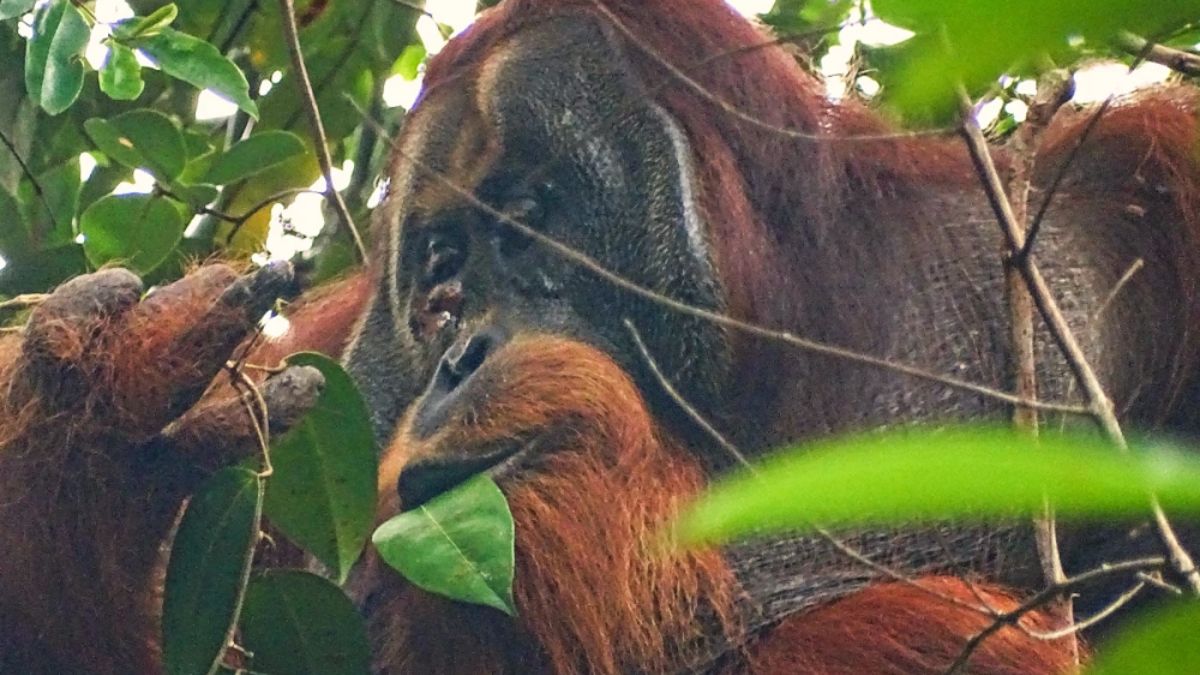
Rakus is a 30-year-old wild orangutan living in Gunung Leuser National Park, one of the last safe havens for his species. In June 2022, researchers witnessed a violent clash between two male orangutans high up in the forest canopy. That might sound like a normal day in the wild, but what followed was anything but.
The next day, scientists spotted Rakus nursing a deep wound under his right eye and inside his mouth. It looked serious—but what he did about it was extraordinary.
Remedy
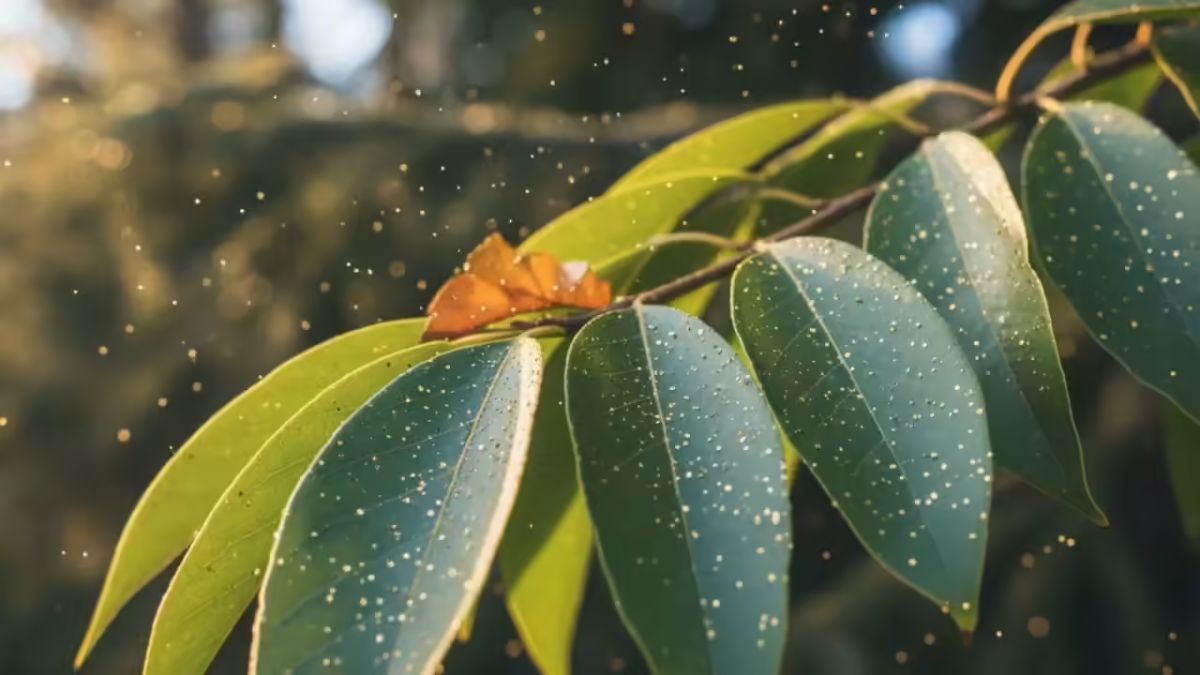
Instead of waiting for the wound to heal on its own, Rakus did something never before seen in the animal kingdom. He started chewing the leaves of a specific plant called liana. Now here’s the twist: orangutans don’t usually eat this plant. But humans do use it as a natural painkiller.

Rakus chewed the leaves until they formed a thick, green paste. Then, using his fingers, he carefully applied the paste to his wound—just like we’d apply ointment. Over the next few days, he repeated this process, targeting only the injured area.
This was the first time scientists had ever observed a wild animal using a plant to treat an open wound so clearly and intentionally.
Healing
Did it work? Yes—and fast.

Within a few days, Rakus’ wound began to close. After a week, it had healed significantly, with no signs of infection. Scientists believe the plant worked both as a painkiller and as an anti-inflammatory agent. In other words, Rakus didn’t just guess. He knew what he was doing.
This kind of behavior hints at a deep understanding of the forest—and of how to use it for survival.
Brains
It’s no secret that orangutans are intelligent. They share 97% of their DNA with us and are known to use tools, communicate, and even learn from one another. But Rakus took it to the next level.
Orangutans can identify hundreds of plants—some researchers say more than 400—and they know which ones are edible, when they’re ripe, and how to prepare them. That kind of botanical knowledge takes years to learn, often passed down from mother to child.
Rakus using liana as medicine is a powerful example of how deeply these animals understand their environment—and how resourceful they can be when faced with injury.
Nature
This behavior has a name: zoopharmacognosy. It’s when animals treat themselves with natural remedies. And Rakus isn’t alone in doing this.
Here are a few fascinating examples:
| Animal | Self-Medication Behavior |
|---|---|
| Chimpanzees | Eat bitter leaves when sick to fight off parasites |
| Orangutans | Rub themselves with plants used to treat joint pain |
| Monarch Butterflies | Lay eggs on toxic plants to protect caterpillars |
| Ants and Bees | Use resin or plant extracts to disinfect their homes |
So, while Rakus’ case is unique in its clarity, he may not be the only wild doctor out there. In fact, this may be how humans first discovered medicine—by watching animals.
Message
Rakus isn’t just a story about a smart animal. His actions carry important messages for science, nature, and humanity.
First, he shows us that orangutans are more intelligent and adaptable than we imagined. They don’t just survive in the wild—they innovate. Second, Rakus reminds us that ancient humans may have learned about medicinal plants by watching animals like him. And finally, his story is a wake-up call.
Fewer than 14,000 Sumatran orangutans remain in the wild. Their rainforest homes are disappearing due to deforestation and climate change. If we lose them, we’re not just losing a species—we’re losing ancient wisdom, natural intelligence, and a living link to our own history.
So yes, Rakus healed his face. But maybe he’s also healing our understanding of what animals are capable of.
FAQs
Who is Rakus the orangutan?
A wild orangutan who treated his wound with plant paste.
What plant did Rakus use?
He used liana leaves, known for natural pain relief.
Did Rakus’ wound heal?
Yes, it healed quickly with no infection.
What is zoopharmacognosy?
It’s when animals treat themselves with natural remedies.
Why is Rakus’ behavior important?
It shows orangutan intelligence and possible roots of human medicine.