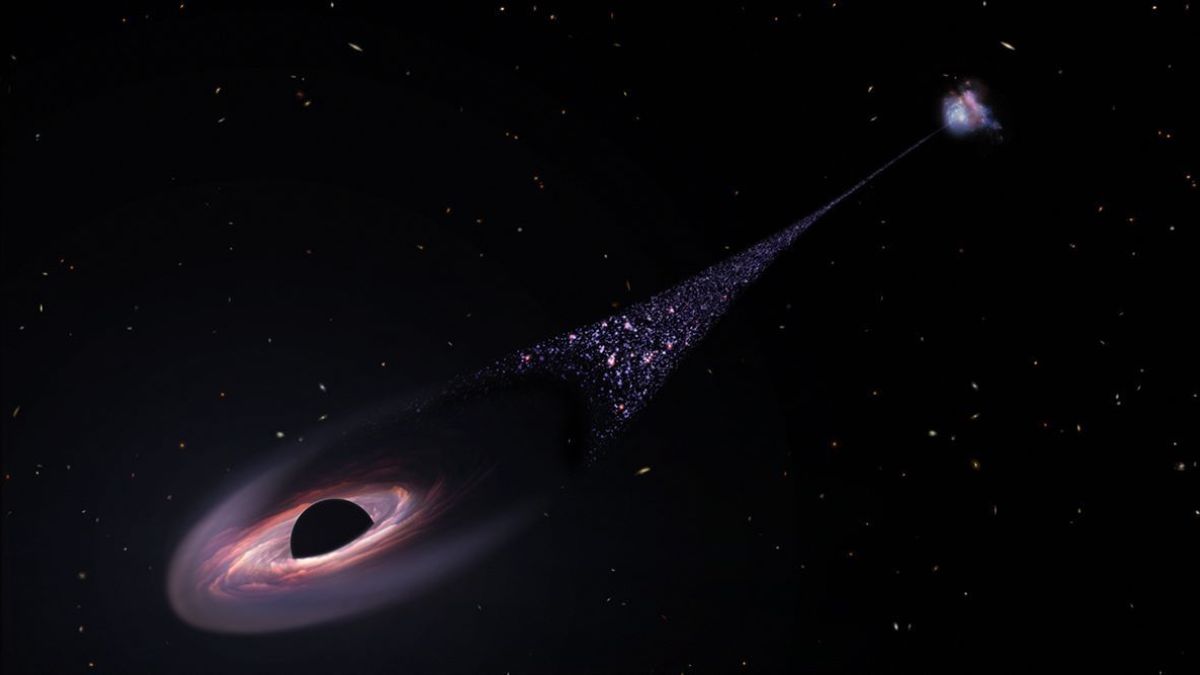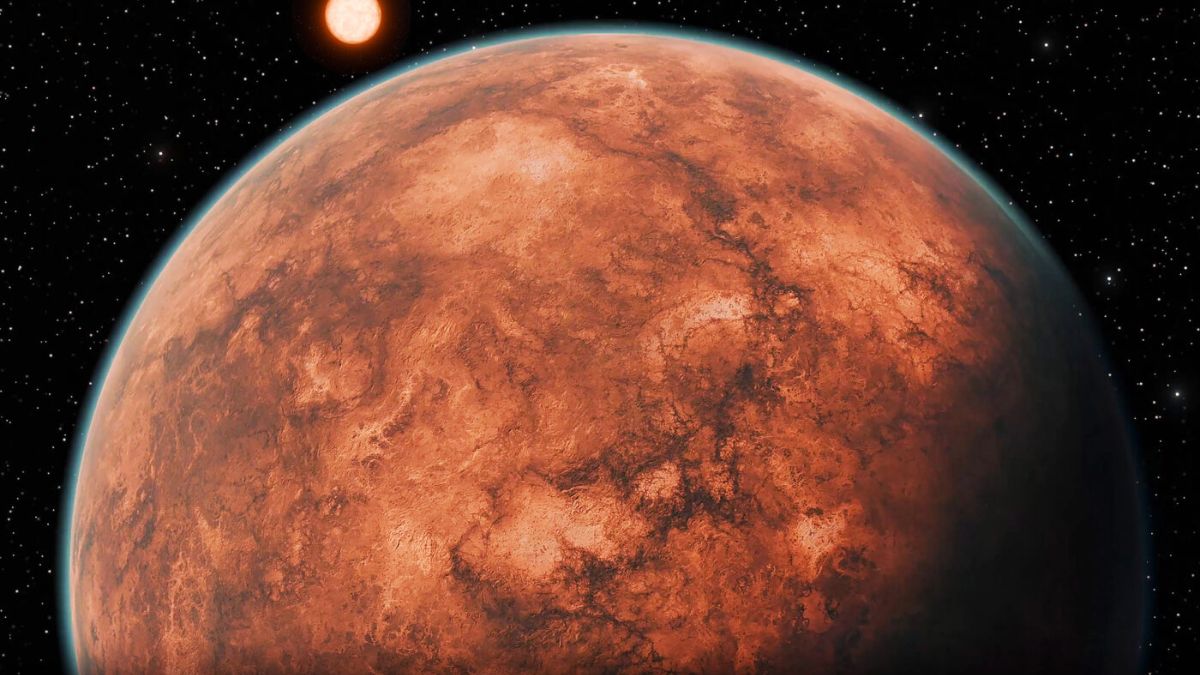
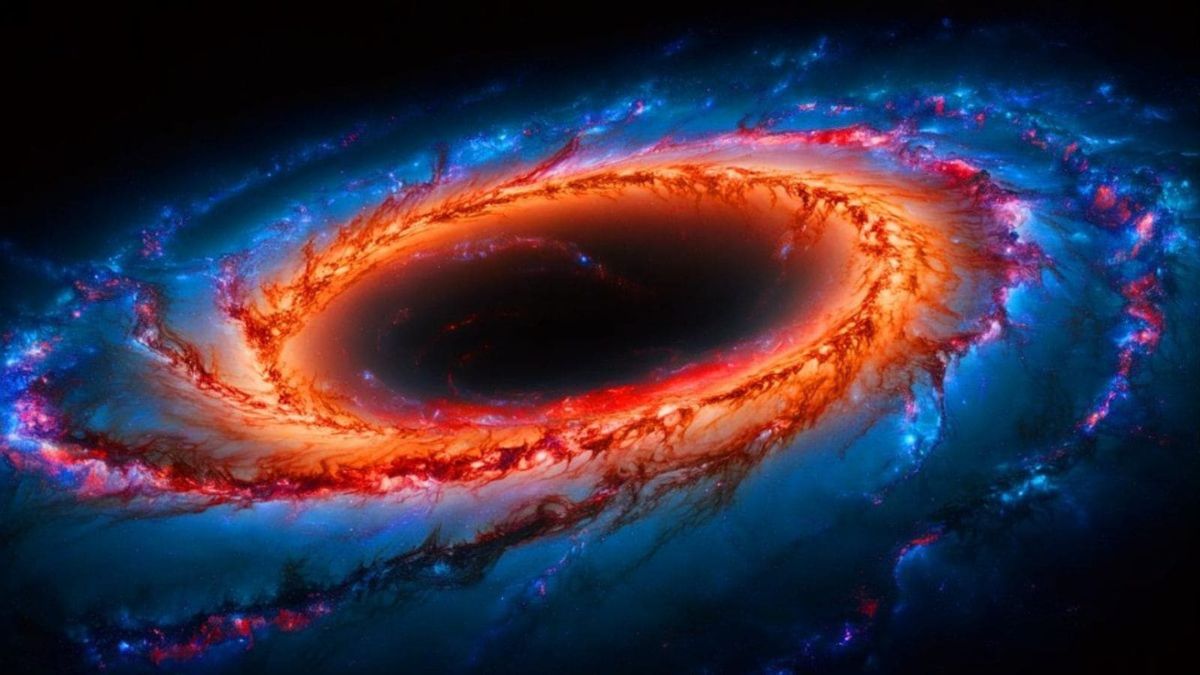
Another jaw-dropping discovery from space! The James Webb Space Telescope has just found what might be the oldest black hole ever detected, and it’s turning everything we thought we knew about the universe upside down. Hidden inside a faint galaxy over 13.3 billion light-years away, this black hole is not only ancient — it’s massive.
Let’s take a closer look at what makes this discovery so mind-blowing and why it could rewrite the early chapters of cosmic history.
Table of Contents
Cosmic
Here’s the cool part about the James Webb Space Telescope — it doesn’t just look across space, it looks back in time. How? Light from distant galaxies takes billions of years to reach us, so when we observe them, we’re seeing them as they were in the ancient past.
In this case, scientists were looking at a small galaxy known as CAPERS-LRD-z9 — better known by its friendlier nickname, Little Red Dot. The light from this galaxy started its journey when the universe was just around 500 million years old — basically a baby.
Surprising
What shocked scientists wasn’t just the age of the black hole, but how big it already was. Estimates suggest its mass ranges from a few million to 300 million times that of our Sun.

This raises a major problem. According to current theories, black holes form from the collapse of massive stars, and then slowly grow by swallowing gas, dust, and even other stars. That kind of growth takes billions of years. So how did such a massive black hole already exist just half a billion years after the Big Bang?
Let’s look into some possibilities.
Theories
To explain this cosmic mystery, astronomers are leaning on two main theories:
- Light Seeds: These are tiny black holes born from the universe’s first stars. The only way they could become supermassive so quickly is by growing at insanely fast speeds, possibly absorbing material far beyond what’s usually considered possible.
- Heavy Seeds: These black holes start out big — not from a dying star, but from the direct collapse of massive gas clouds. This would mean some galaxies in the early universe were born with gigantic black holes right from the beginning.
Neither explanation fully satisfies scientists. That’s why this discovery is making cosmologists question everything they thought they knew about how black holes and galaxies evolved.
Galaxy
What’s even weirder? This supermassive black hole lives in a tiny galaxy. The Little Red Dot is compact, with a total stellar mass far lower than other known galaxies.
Yet, its central black hole takes up more than 4.5% of the galaxy’s total mass, which is way out of proportion. In the current universe, black holes are usually just 0.1% of their galaxy’s mass. That makes this little galaxy an extreme case.
The reddish glow is caused by a dense gas cloud surrounding the galaxy. This gas may also be fueling the black hole, making it shine even more brightly through space.
Objects
The Little Red Dot isn’t alone. James Webb is now detecting more of these compact, red, bright galaxies. And many of them appear to hide active black holes, just like this one.
That’s surprising. Scientists used to think that supermassive black holes were rare in the early universe. But the Webb telescope is showing that they might have been more common than we ever expected.
This forces astronomers to rethink the timeline and process of how galaxies and black holes form.
Challenge
This discovery shakes the foundation of cosmic theory. Until now, our models of how the universe evolved were built on the idea that black holes took time — lots of time — to grow.
But if black holes like this existed only 500 million years after the Big Bang, we’ve missed a big piece of the puzzle.
With every new image and reading from James Webb, the universe proves it still holds secrets we haven’t even imagined. And if one little red dot can turn cosmology on its head, just imagine what else is out there, waiting to be found.
FAQs
How old is the discovered black hole?
Around 13.3 billion years old, from early universe.
Why is the black hole surprising?
It’s supermassive despite forming very early.
What is the Little Red Dot?
A small galaxy hiding the ancient black hole.
What are light and heavy seeds?
Two theories on how early black holes formed.
What does this change in science?
It challenges current models of galaxy formation.