You breathe about 20,000 times a day—without noticing, without thinking. That is, until someone mentions it. Now you’re hyper-aware, aren’t you? Funny how that works. But here’s something even crazier: scientists have just found that every breath you take through your nose is as unique as your fingerprint. Seriously. The way air flows in and out of your nose could one day identify you just as accurately.
Let’s cut into how researchers figured this out—and what it could mean for your future.
Table of Contents
Discovery

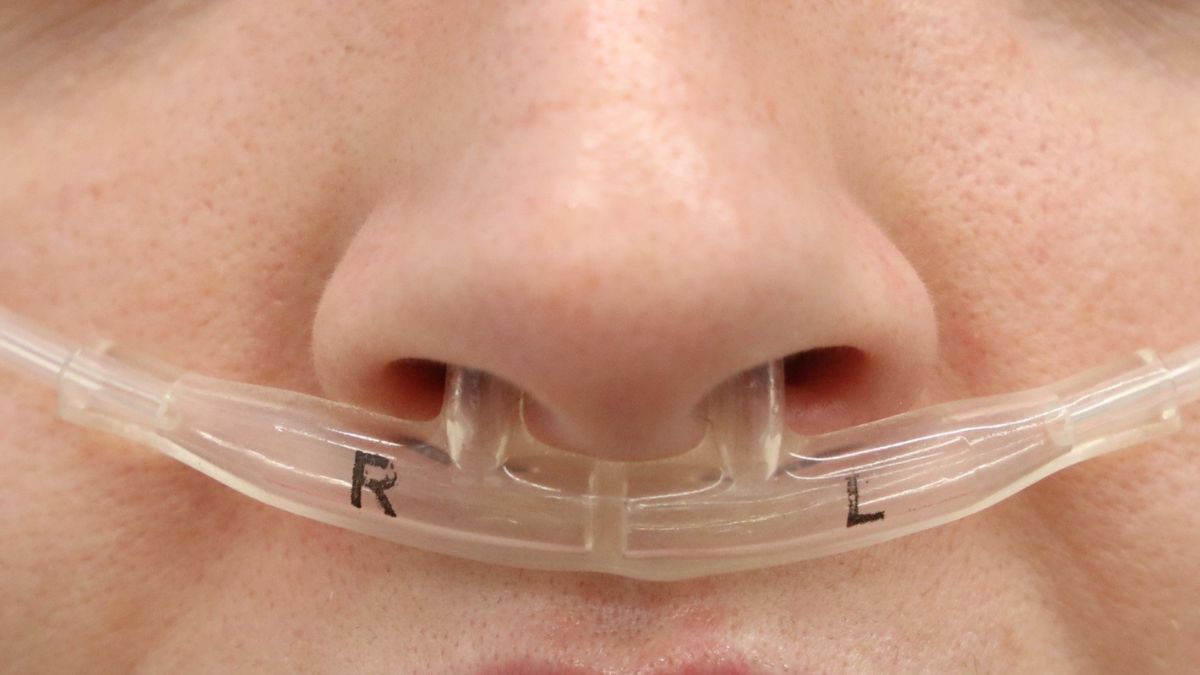
A team from the Weizmann Institute and the University of Haifa in Israel built a small device designed to track nasal airflow. This gadget was placed on volunteers’ noses for a full 24 hours. It recorded how they breathed while awake and asleep.
They tested this breathing tracker on 97 participants. Then, using the recorded airflow patterns—called “breathing curves”—they ran the data through software and got something amazing. The system could correctly identify individuals with 96.8% accuracy. That’s right, they could tell people apart just by their breathing.
Even better, this “nasal breathing fingerprint” stayed consistent over time—even after several months. So, not only is it unique, it’s also stable.
Signals

Why is this important? Because breathing isn’t just a mechanical act—it’s also tied to your brain. The way you breathe can reflect your emotional state. Without saying a word, your nose is constantly giving out signals about how you feel.
The study found strong links between breathing patterns and emotional states like anxiety or depression. Even when participants weren’t diagnosed with any condition, their breathing still hinted at their emotional baseline.
Using AI and statistical models, the researchers could predict how someone might score on mental health scales just by analyzing their breathing. Imagine that—no surveys, no interviews, no machines scanning your brain. Just your nose telling the story.
Identity

Here’s where things start to sound like science fiction. If your breathing is that unique, could it be used to identify you? Possibly. In the future, biometric security might include your nasal airflow.
Think about it—current biometrics include fingerprints, facial recognition, and even retina scans. Now, breathing could join that list. And since this method doesn’t require touch, cameras, or even user interaction, it might offer a whole new level of convenience and privacy.
Of course, it’s not happening tomorrow. This kind of identification system would need more studies, better tech, and privacy protection. But the idea is out there now, and that’s where innovation begins.
Sleep
One of the most fascinating parts of this study? Your nasal breathing fingerprint doesn’t disappear while you sleep. It shifts a bit, but it’s still you. This opens up new ways to monitor health at night.
For example, tracking your unique sleep-breathing pattern could help detect disorders like sleep apnea—without the need for uncomfortable overnight lab tests. With enough data, AI systems could even spot early signs of trouble in your health long before symptoms appear.
Pair this with wearable tech and you’ve got a powerful, non-invasive health monitor—one that listens to your body without bothering you.
Human
Now, let’s get a bit poetic. Isn’t it amazing that something as simple as a breath can be so personal? We all live in the same world, yet we breathe it in our own way. Every inhale, every exhale—it leaves a tiny, invisible signature.
That’s more than science. That’s something deeply human.
This research could eventually help people who struggle to communicate—like young children, the elderly, or those with speech difficulties. Imagine a system that senses emotional distress just by observing someone’s breathing. It could offer support without needing a single word.
Future
Of course, this is just the beginning. The study involved a limited group of healthy people. More data is needed before clinical and commercial uses become possible. But the potential is already sparking ideas.
From early diagnosis to emotion-aware tech that adapts to your mood in real time, the possibilities are vast. Your breath could guide personalized healthcare, track mental well-being, and maybe one day replace your password.
Every breath you take leaves a trace. And now, science is learning how to read it. That small, silent act you do every moment without thinking might soon become your most powerful personal signature.
FAQs
Can breathing identify a person?
Yes, nasal airflow is unique to each individual.
Is nasal breathing linked to emotions?
Yes, it reflects emotional and mental states.
Does your breath change when you sleep?
It changes slightly but stays unique.
How accurate is breath identification?
The study had a 96.8% accuracy rate.
Can this detect mental health issues?
Yes, it may predict anxiety and depression signs.