
You’ve probably heard that Earth is called the “Blue Planet.” That iconic view from space, filled with deep blue oceans and swirls of clouds, is what made our planet so visually striking. But now, scientists say it’s changing. Earth is going green—not in the eco-friendly sense, but literally turning greener due to climate shifts. NASA and other space agencies have noticed a visible shift in Earth’s color from space, and it’s raising serious concerns.
At first glance, a greener planet might sound like good news. More plants, more trees—what’s not to love? But this phenomenon, known as global greening, is not what it seems. It’s actually another warning that climate change is altering the Earth’s balance in ways we’re just beginning to understand.
Table of Contents
Blue
Earth earned the nickname “Blue Planet” because of its oceans, which cover about 71% of its surface. From space, it’s always stood out thanks to the massive blue coverage and the atmosphere reflecting sunlight.
But now, researchers using satellites have observed an unusual change. There’s more green showing up in areas that were previously brown or dry. These aren’t just local changes. The overall tone of the planet is shifting in satellite imagery—enough that it’s grabbing the attention of scientists around the world.
Greening
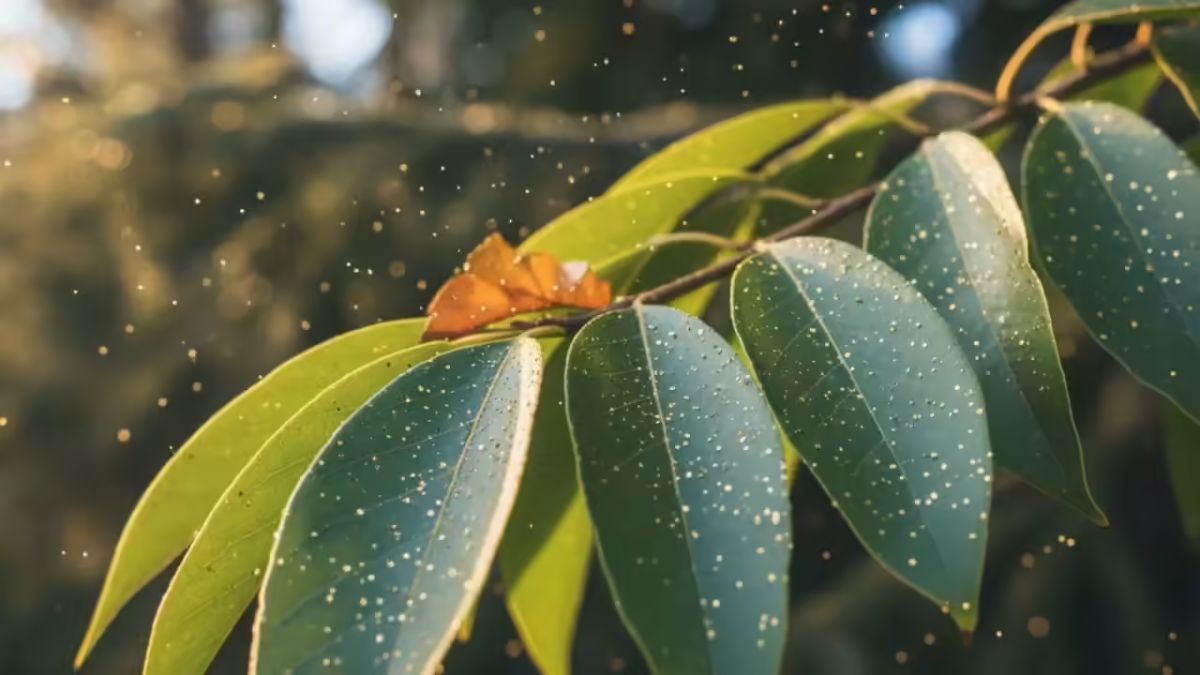
So, what exactly is global greening? In simple terms, it’s the increase of vegetation across the Earth’s surface. Satellite images show more plants, more trees, and expanded green zones—especially in regions that were previously less vegetated.
This global spread of greenery is caused by several factors, but the biggest one is an increase in carbon dioxide (CO₂) in the atmosphere. And ironically, that’s not a good thing. CO₂ is the main greenhouse gas contributing to climate change, but it also acts like a fertilizer for plants. The more CO₂ in the air, the faster many plants grow.
Here’s how it looks:
| Change | Cause |
|---|---|
| More vegetation | Higher CO₂ levels |
| Faster plant growth | Global warming |
| Expansion of green areas | Human land use and warming |
This might sound like nature adapting, but it’s actually nature reacting to pressure.
Causes
So why is Earth going green? Mainly because of us. Human activity—especially burning fossil fuels—has pumped massive amounts of CO₂ into the atmosphere. This triggers several reactions:
- Plants grow faster and absorb more CO₂ through photosynthesis.
- Warmer temperatures extend the growing seasons.
- Some dry regions now support more plant life due to slight increases in rainfall or irrigation.
But this rapid change is not natural, and it’s coming with side effects.
Risks
More green does not automatically mean more good. The type and speed of growth matter—a lot. When the balance is thrown off, it creates risks for ecosystems and biodiversity.
Here are a few dangers of uncontrolled greening:
- Invasive plants spread quickly, pushing out native species.
- Ecosystems shift, impacting animals and insects that depend on specific plants.
- Biodiversity declines when fewer plant types dominate the landscape.
- Higher wildfire risk due to increased dry vegetation.
- Heat absorption increases in dark, dense forests, causing local warming.
What looks healthy from above could actually be a chaotic transformation on the ground.
Warning
This color shift—from blue to green—isn’t just a visual change. It’s a red flag. Earth is reacting to climate stress, and the signs are showing in the very vegetation that covers it. What was once considered a badge of life is now also a symbol of imbalance.
NASA scientists and global researchers are investigating what this shift means long term. Will the greening plateau? Will it lead to more damage than benefit? How will it affect the planet’s ability to regulate itself? These are the big questions we need to answer—and soon.
Future
So, what does all this mean for Earth’s future? It means we need to rethink what environmental “success” looks like. Just because something is green doesn’t mean it’s good. True environmental health comes from balance, diversity, and sustainability—not just visual greenness.
The challenge now is to know how global greening fits into the larger climate crisis. It might seem like a silver lining, but it could just be another symptom of a planet under stress.
As Earth continues to change, we need to pay attention not just to how it looks, but why it’s changing—and what we can do to restore its natural balance.
FAQs
What is global greening?
It’s the increase in Earth’s vegetation due to climate change.
Why is more green not always good?
It can disrupt ecosystems and reduce biodiversity.
What’s causing the Earth to go green?
Mainly rising CO₂ levels and global warming.
Is the Blue Planet really turning green?
Yes, satellite images show a visible greening shift.
Can greening help fight climate change?
Not fully, as it brings new risks and imbalance.