A nuclear reactor on the Moon? That’s not a sci-fi script—it’s NASA’s next big move, and it’s happening before the end of this decade. With new acting chief Sean Duffy taking charge, the space agency isn’t wasting a second. He’s changing plans, setting deadlines, and pushing the United States into what looks like the next great space race—with real geopolitical stakes.
This isn’t just about lights and electricity. It’s about power, influence, and preparing humanity for the long haul in space.
Table of Contents
Purpose

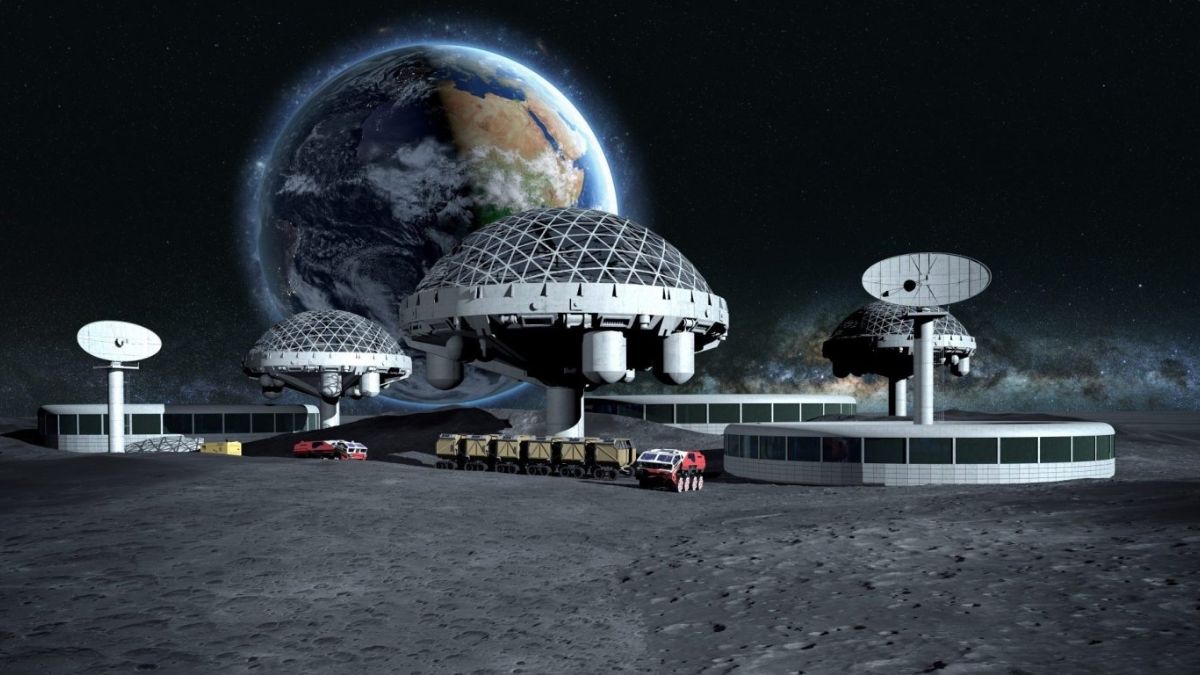
Let’s get one thing clear: this isn’t just a fancy experiment. The reactor is expected to generate at least 100 kilowatts of power—enough to run a lunar base. That power will be critical for life-support systems, communication, scientific experiments, and eventually, preparing missions to Mars.
But beyond the tech, there’s a strategic motive. With China and Russia also eyeing the Moon, there’s a growing concern that whoever gets there first could stake a territorial or technological claim. Duffy doesn’t want to be second.
Urgency
Sean Duffy isn’t easing into his new role—he’s diving in headfirst. He’s torn up old plans, criticized past designs for being too conservative, and demanded more power, faster timelines, and clear advantages over competing nations.
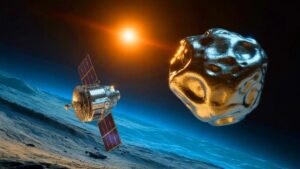
The clock is now ticking: proposals from private companies are due in 60 days, and a project leader must be appointed in less than a month. Duffy wants no delays. The message is simple—move or lose.
Changes
NASA was already working with private companies on compact reactor designs. But Duffy didn’t think they went far enough. The initial plan focused on funding small fission reactors, but those designs have now been pushed aside.
The new plan? Bigger, bolder, and with a higher sense of urgency. It’s not just about science anymore—it’s about staying ahead in a high-stakes international race.
Strategy
Why nuclear and not solar? It’s all about location. At the lunar south pole, where NASA wants to set up camp, sunlight is scarce. Solar panels can’t be relied on during the Moon’s two-week-long nights or in constantly shadowed areas. A small, durable nuclear reactor is the best option for consistent, reliable energy.
And this isn’t a one-time test. If it works, it opens the door to taking similar reactors to Mars. That’s why the Moon mission is more than a goal—it’s a trial run for deeper space missions.
Partners
NASA knows it can’t do this alone. The International Space Station is nearing its end, and NASA needs to quickly develop replacements—cheaper and faster. That means more collaboration with private companies, whether they’re traditional defense giants or innovative startups.
The Fission Surface Power (FSP) program already has companies like Lockheed Martin, Westinghouse, and General Atomics in the game. These partners are expected to handle much of the design, construction, and possibly even deployment of the lunar reactor.
Here’s a quick look at some potential partners:
| Company | Role in Reactor Project |
|---|---|
| Lockheed Martin | Systems integration, defense-grade designs |
| Westinghouse | Nuclear technology and compact reactor design |
| General Atomics | Advanced energy and fission tech |
Impact
What’s the big picture here? A successful lunar nuclear reactor could change everything. It would make long-term human missions to the Moon possible. It would prove that reliable off-Earth energy systems are achievable. And it would set the stage for human exploration of Mars.
It’s also about sending a message: the U.S. is serious about leading the next era of space exploration—not just with astronauts, but with permanent infrastructure.
Next
So, what’s next? NASA is under pressure. It needs to pick the right design, find the right team, and make sure the reactor is ready to go before 2030. There’s no room for error. The space race is back, and this time, it’s being run with technology, partnerships, and political urgency.
The countdown has already started. No practice runs. This time, it’s the real deal.
FAQs
Why use nuclear instead of solar?
Solar doesn’t work well at the Moon’s south pole.
Who else is racing to the Moon?
China and Russia are also working on lunar energy systems.
What power will the reactor produce?
At least 100 kilowatts—enough for a lunar base.
Which companies are involved?
Lockheed Martin, Westinghouse, and General Atomics.
Is this reactor safe?
Yes, it’s designed to be compact, efficient, and secure.