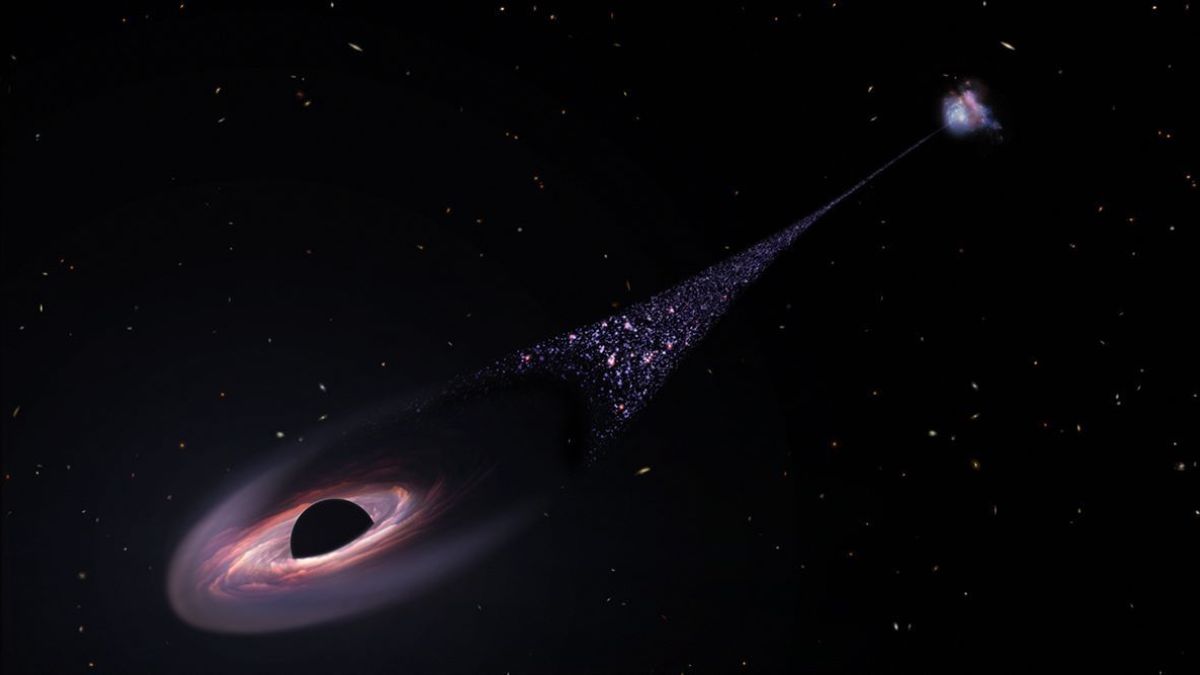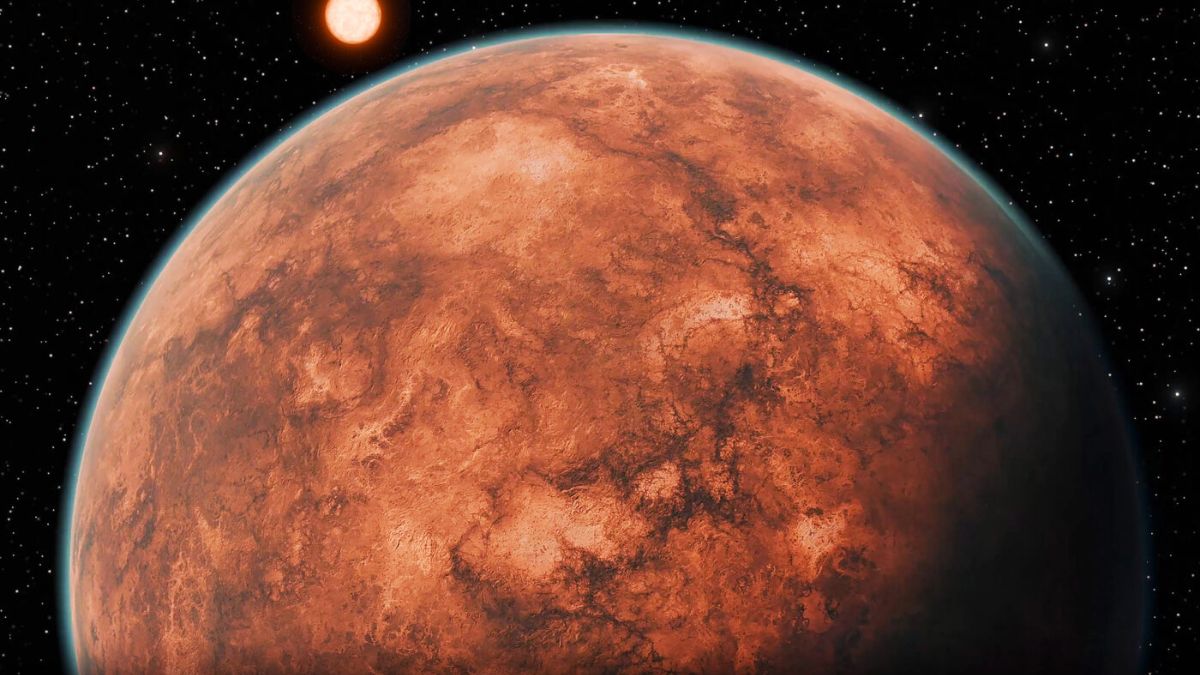

A new space mystery has just entered the chat. NASA has officially confirmed that an unidentified object—named A11pl3Z—is speeding through the solar system at a jaw-dropping 245,000 kilometers per hour. It’s fast, it’s massive, and it doesn’t behave like anything we’ve seen before. Astronomers across the globe are on high alert as they track its every move.
This isn’t your average asteroid, and it might not even be a regular comet. So, what exactly is A11pl3Z, and what could it mean for us? Let’s break it all down.
Table of Contents
Comet
Before we talk about this space bullet, let’s quickly go over what a comet is. These icy wanderers are made up of rock, dust, and frozen gases. They come from way out there—either the Kuiper Belt or the even more distant Oort Cloud—and orbit the Sun in stretched-out ellipses.
When a comet gets close enough to the Sun, the heat causes its surface to release gases, forming a bright, glowing coma and a tail that always points away from the Sun. It’s a stunning sight, and one you might have seen with the naked eye during certain sky events.
Now, back to the mystery object.
Object

A11pl3Z is unlike anything we’ve seen in recent times. For context, this thing is bigger and faster than the other two known interstellar visitors: ʻOumuamua in 2017 and 2I/Borisov in 2019. While ʻOumuamua was oddly shaped and didn’t show typical comet behavior, Borisov did—but both were weird enough to cause a stir.
What makes A11pl3Z even more fascinating is its speed. Objects moving at 245,000 km/h aren’t usually bound by the Sun’s gravity. That means it’s likely not orbiting—it’s just passing through, possibly on a one-way trip.
Behavior
Its behavior so far suggests it’s an interstellar object. Detected on June 25 by the ATLAS system, it’s expected to pass near Mars in October and make its closest approach to Earth in December. Don’t panic—Earth will be on the opposite side of the Sun at that point, so it won’t come anywhere near us.

Its trajectory looks like a straight line, which supports the idea that it’s just visiting. But whether it’s staying, circling back, or continuing its galactic road trip, we still don’t know.
Nature
So, is it a comet, an asteroid, or something brand new? That’s the big question.
Here’s what we do know:
- Size: Between 10 and 20 kilometers wide
- Appearance: No obvious coma (yet)
- Trajectory: Hyperbolic, like it’s not coming back
Because it hasn’t shown classic comet features, some experts say it could be a very dark asteroid or even a new class of space object entirely. Others remember the drama with ʻOumuamua and are keeping their minds open. ESA scientist Richard Moissl even said that if it’s not a comet, “any other explanation would be a surprise.”
Monitoring
The James Webb Space Telescope is already watching closely. In the coming months, the Vera C. Rubin Observatory in Chile will be key to tracking the object and gathering high-resolution data. These observations could tell us more about its structure, composition, and origin.
We’re in for a fascinating few months.
History
This isn’t the first time something like this has happened. Two confirmed interstellar objects have entered our solar system before:
- ʻOumuamua (2017) – weird shape, no visible coma, possibly artificial?
- 2I/Borisov (2019) – looked like a normal comet, but on a one-time flyby trajectory
Both cases proved one thing: the galaxy is full of wandering objects, and we’re just starting to notice them.
Estimates
How many more A11pl3Zs are out there? A lot, actually.
NASA astronomer Mark Norris estimates that up to 10,000 interstellar objects could be crossing through our solar system without detection. Some may carry organic compounds or other materials that could offer clues about how life forms—and where it might exist beyond Earth.
We might be seeing just the tip of a cosmic iceberg.
FAQs
What is A11pl3Z?
A fast-moving object entering our solar system at 245,000 km/h.
Is A11pl3Z a comet or asteroid?
It’s unclear—possibly a faint comet or a dark asteroid.
Will A11pl3Z hit Earth?
No, it will pass by safely while Earth is on the other side of the Sun.
How big is A11pl3Z?
Estimated to be between 10 and 20 kilometers wide.
Why is A11pl3Z important?
It may reveal new insights about interstellar objects and the universe.