Space is full of surprises, but this time, even NASA scientists were left stunned. Imagine being so familiar with the universe’s mysteries, and then something so strange happens that it rewrites the rulebook.
That’s exactly what went down with the discovery of a supernova that behaved like no other—and all signs point to a black hole as the culprit. Sounds like sci-fi? It’s not. This is real, and it’s reshaping how we think about the life and death of stars.
Table of Contents
Discovery
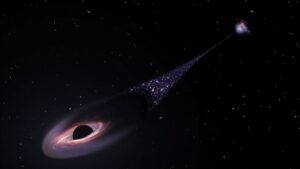
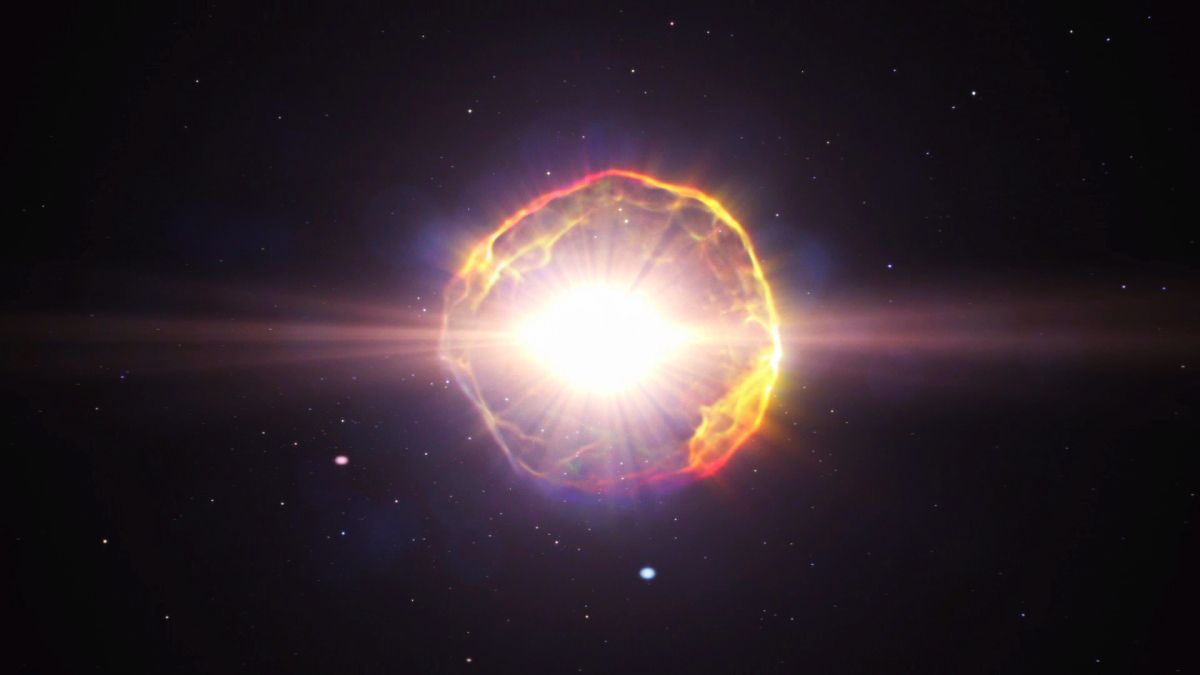
It all started when an advanced AI-based system caught something odd in the sky. The object was a supernova—basically, a massive explosion marking the death of a star. But this one, named SN 2023zkd, didn’t follow the usual script. NASA spotted it just hours after it happened, and that timing was crucial.
Thanks to the Zwicky Transient Facility (ZTF), located at the Palomar Observatory in California, astronomers picked up this explosion about 730 million light-years away. The key? AI did the heavy lifting. Scientists at the University of California, Santa Cruz had built machine learning software that could flag strange patterns faster than any human could.
According to astronomy professor Ryan Foley, while humans are decent at catching anomalies, AI can detect the weird stuff much earlier—giving scientists a huge advantage in observing rare events like this in real time.
Supernova
What made SN 2023zkd so weird? Normally, when a star explodes, it brightens and then slowly fades out. Simple. But this one glowed brightly, went dark, and then got bright again—240 days later. That’s not normal.
Before the explosion, the star had been glowing faintly for about four years, which is another odd detail. Then came two distinct peaks of brightness instead of one. That alone raised eyebrows across the astronomy community.
Here’s a quick breakdown of its strange light pattern:
| Event | Timing |
|---|---|
| Star emits faint light | 4 years before explosion |
| First brightness peak | Day of explosion |
| Second brightness peak | 240 days after explosion |
The double brightness wasn’t just a random flicker—it told a bigger story about what was really going on behind the scenes.
Cause
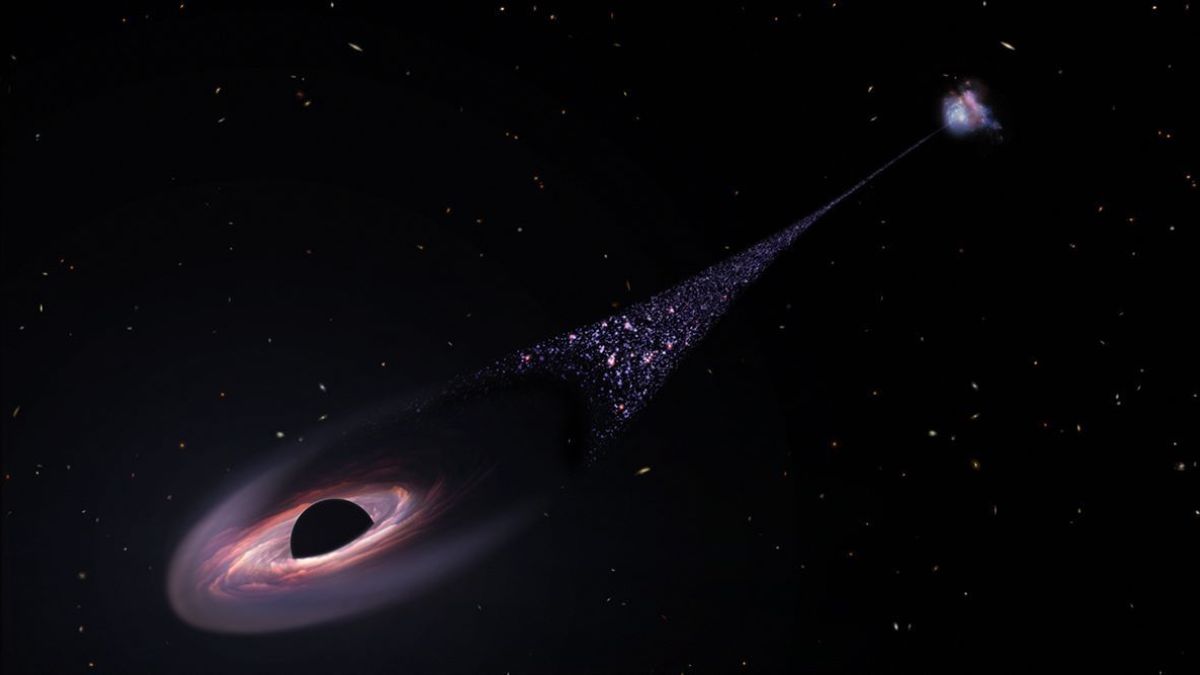
Here’s where things get wild: scientists believe this star had a black hole companion. In space, stars sometimes have partners. In this case, one of them was a black hole. Over time, the black hole’s intense gravity started pulling material from the star, basically “feeding” off it.
That process created rings of gas and dust around the star. Eventually, it got so intense that the star couldn’t take it anymore—and boom, it exploded. But because the area around it was filled with that stripped material, the explosion had something to crash into.
This is what caused the two brightness peaks:
- First peak: explosion hits the outer ring of gas and dust.
- Second peak: explosion hits a thicker, inner layer of material.
This interaction between the supernova and its surrounding matter—created by the black hole’s earlier damage—is what made this event so unusual. And yes, it’s the first confirmed case of this kind.
Importance
So why is this such a big deal?
For starters, it changes what we thought we knew about how massive stars die. The fact that a black hole could trigger a supernova like this wasn’t just unlikely—it was almost unthinkable until now.
Here’s a table highlighting the key facts:
| Key Data Point | Details |
|---|---|
| Name of the Supernova | SN 2023zkd |
| Distance from Earth | 730 million light-years |
| Unusual trait | Two peaks in brightness |
| Pre-explosion activity | 4 years of faint light |
| Detection method | AI-powered Zwicky Transient Facility |
| Cause | Interaction with black hole |
| Timing of detection | Within hours of explosion |
What makes it even more exciting is that AI helped catch it right away. That real-time discovery gave astronomers a front-row seat to something completely new. Instead of guessing what happened after the fact, they watched it unfold almost live.
This opens doors for future discoveries. With the help of machine learning and automated sky surveys, we’re no longer just spectators of the universe—we’re becoming active observers with front-row seats to cosmic drama.
Thanks to this breakthrough, astronomers now know that black holes can play a role in how stars explode. It’s like finding a hidden chapter in a book you thought you’d finished. And who knows what the next chapter will reveal?
FAQs
What is SN 2023zkd?
It’s a supernova triggered by a nearby black hole.
How far away is it?
Around 730 million light-years from Earth.
Why did it flash twice?
The explosion hit two different gas layers.
How was it found so fast?
AI detected it using the Zwicky Transient Facility.
Is this the first event like this?
Yes, it’s the first confirmed supernova-black hole case.