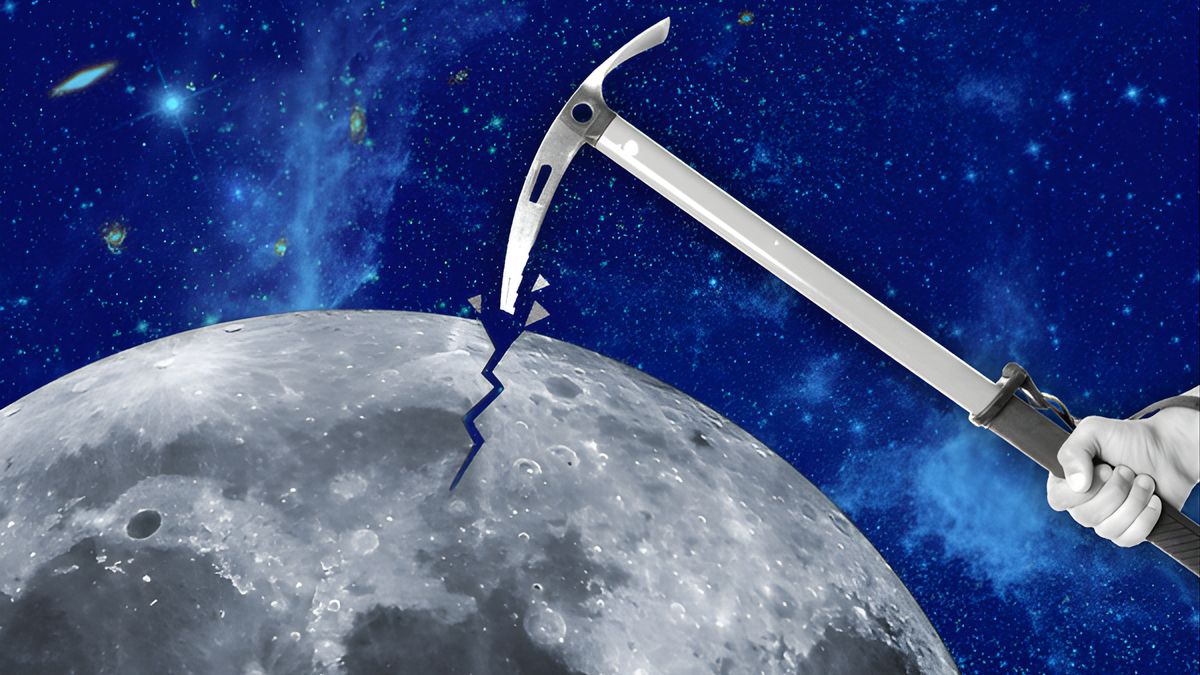
The Moon might be far more valuable than we ever imagined—not just as a symbol of exploration, but as a literal goldmine in space. A new study suggests that massive craters on the lunar surface may hold platinum-group metals and water deposits, making our closest celestial neighbor a potential treasure trove for future missions.
This discovery could change the course of space travel and Earth-based industries alike. So let’s cut into what researchers have found and why this could be such a big deal.
Table of Contents
Resources
The Moon has always sparked human curiosity, but now it might spark something else: economic opportunity. Scientists estimate that:
- Up to 6,000 craters over 1 km wide could hold valuable platinum-group metals (PGMs) like platinum, palladium, and rhodium.
- Focusing on the largest craters—those wider than 19 km with central peaks—38 of them have the highest potential for concentrated metal deposits.
- For water, 3,350 craters may hold hydrated minerals, while 20 large craters show clear evidence of water-rich zones.
If proven, the Moon could be richer in accessible PGMs and water than even nearby asteroids, which were previously considered the top targets for space mining.
Importance
Why should we care about platinum and water on the Moon?
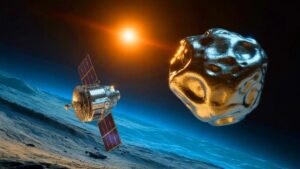
Platinum-group metals are extremely rare and valuable on Earth. They’re used in everything from catalytic converters in cars to cancer treatments and electronics. Discovering new sources off-world could reduce the environmental damage caused by terrestrial mining while meeting growing industrial demand.
Water, however, may be even more vital. It’s not just about drinking. Lunar water could:
- Support astronauts with drinking water and breathable oxygen
- Be split into hydrogen and oxygen to create rocket fuel
- Power future lunar bases and deeper space missions
Bringing water from Earth to the Moon is costly and difficult, so finding it on-site is a game-changer for sustainable space exploration.
Advantage
For years, asteroid mining was the main focus. Why the sudden shift back to the Moon?
Here’s a quick comparison:
| Feature | Moon | Asteroids |
|---|---|---|
| Distance | Close to Earth | Often much farther |
| Stability | Fixed, predictable position | Move unpredictably |
| Mining Ease | Difficult but manageable | Very complex & risky |
| Surface Access | Easier to land and operate | Hard to anchor or maneuver |
The Moon, though still a harsh environment, offers a more practical and predictable platform for exploration and mining. It’s close, doesn’t move around, and has already been visited by astronauts and landers.
Strategy
So what’s next? How do we know which craters hold these resources?
Researchers suggest starting with remote sensing—using orbiters to scan the Moon for specific mineral signatures and water presence. This avoids the cost and risk of sending landers to every potential site. Once the most promising craters are identified, targeted missions can follow.
Instead of trial-and-error landings, a smarter, data-driven approach could help make lunar mining a reality in the not-so-distant future.
Possibility
This isn’t just science fiction anymore. If confirmed, these lunar resources could:
- Lower the cost of space travel
- Support long-term human presence on the Moon
- Supply Earth with critical materials
- Open a new chapter in sustainable space exploration
Imagine a future where astronauts fuel their rockets with Moon water, or phones are built using metals mined from lunar soil. It may sound wild today, but we’re closer than ever to making it happen.
So, the next time you look up at the Moon, think beyond its glow. Think about rocket fuel, rare metals, and a new path for humankind—shining right above our heads.
FAQs
What metals are on the Moon?
Platinum, palladium, and rhodium may be in lunar craters.
Is there water on the Moon?
Yes, many craters may contain water in hydrated minerals.
Why is Moon mining better than asteroids?
The Moon is closer, stable, and easier to access.
How will we find resources on the Moon?
By using remote sensing from lunar orbit.
What could lunar water be used for?
Drinking, oxygen, and rocket fuel for missions.