More than 50 years ago, a puzzling case appeared in a hospital: a pregnant woman’s blood showed an irregular protein, and no one could explain why. Since then, the mystery sat unsolved—until now. Scientists have finally cracked the code and identified a brand-new blood group: the MAL system. And it’s not just a scientific breakthrough—it could help save lives.
Table of Contents
Blood
Before we dive into the MAL system, let’s rewind for a second. What exactly is blood for?

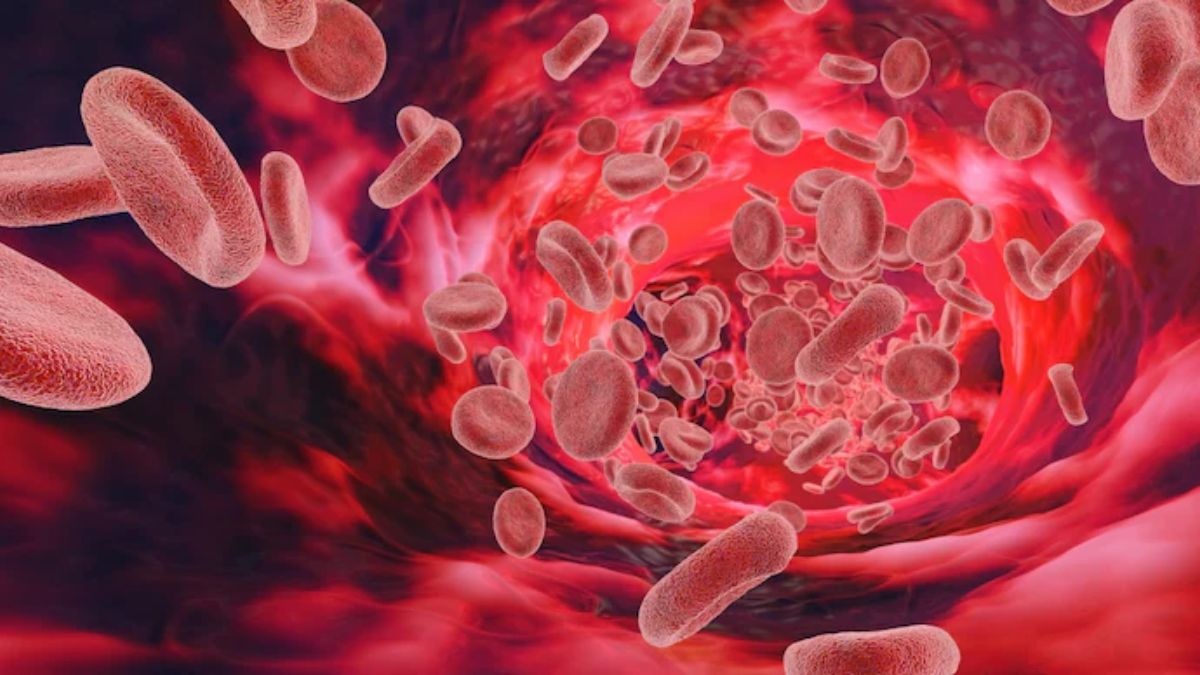
If you zoned out during biology class, don’t worry. Blood is the superhighway of the body. It carries oxygen and nutrients from your heart to every organ and tissue. At the same time, it collects waste and carries it away to be filtered or removed. Think of it as the body’s built-in logistics system—without it, nothing works right.
MAL
Now, let’s talk about this newly discovered blood group: MAL. This group is now officially the 47th recognized blood group system in humans.
The discovery started in 1972 when scientists noticed a strange protein structure in a pregnant woman’s blood. One of the usual proteins appeared incomplete, but nobody knew why. For decades, it remained a medical riddle.

Fast forward to today: using modern genetic tools, researchers have finally linked the anomaly to a specific blood group system—MAL. The exact gene responsible still isn’t clear, but the unique structure is now recognized as a distinct blood type.
Risk
Why does this matter?
Because blood groups are more than just labels. According to virologist Radostina Alexandrova from the Bulgarian Academy of Sciences, unusual blood types like MAL could be behind rare transfusion reactions or complications in pregnancy. Knowing a patient’s blood group in detail is essential for avoiding immune responses that could be dangerous—or even fatal.
Disease

So, is there a link between blood type and disease?
Yes. Experts have found that certain blood types are linked to how our bodies react to infections or conditions. For example, people with blood type O are more vulnerable to severe cholera. That doesn’t mean everyone with type O will get cholera, but statistically, they’re more likely to have a stronger reaction if infected.
Cholera
Here’s why. Researchers have discovered that in people with type O blood, the cholera toxin triggers certain intestinal molecules more aggressively. This causes greater fluid loss and dehydration—two deadly symptoms of cholera.
Though cholera is treatable today, in the past, this small biological difference could explain why some people survived major outbreaks, and others didn’t.
Rare
What about rare diseases? They often push science forward because they don’t fit the usual patterns. Each unique case forces researchers to think outside the box.
That’s exactly what happened with MAL. It took just one rare case to uncover an entirely new blood group. Sometimes, the strangest anomalies offer the biggest insights.
Transfusion
Why is identifying new blood types so important?
Because blood isn’t replaceable. While researchers are working on artificial substitutes, nothing fully replicates what human blood does. That means we still rely on donors—and for transfusions to be safe, blood must be carefully matched.
Finding more blood group systems helps doctors make transfusions safer, improve transplant success, and avoid dangerous immune responses. It also helps prepare for rare or unexpected reactions during surgeries or pregnancy.
Table
Here’s a quick summary of key insights from this discovery:
| Topic | Insight |
|---|---|
| Discovery Year | First anomaly seen in 1972 |
| Official Blood Group Name | MAL system |
| Total Blood Groups Now | 47 |
| Cause of Discovery | Incomplete protein in pregnant woman’s blood |
| Key Molecule Involved | Unknown (gene still being identified) |
| Related Risks | Transfusion issues, pregnancy complications |
| Other Examples | Cholera risk higher in blood type O |
This breakthrough doesn’t just solve a 50-year-old puzzle—it shows how much we still have to learn about our own bodies. One tiny protein difference led to an entirely new understanding of human blood.
FAQs
What is the MAL blood group?
It’s the 47th human blood group, recently discovered after decades.
When was MAL first noticed?
In 1972, in a pregnant woman with an unusual blood protein.
Why does blood type matter?
It affects transfusions, pregnancies, and disease risks.
Is type O more prone to cholera?
Yes, they may react more severely to cholera toxins.
Are rare blood types dangerous?
They can cause complications if not properly matched.