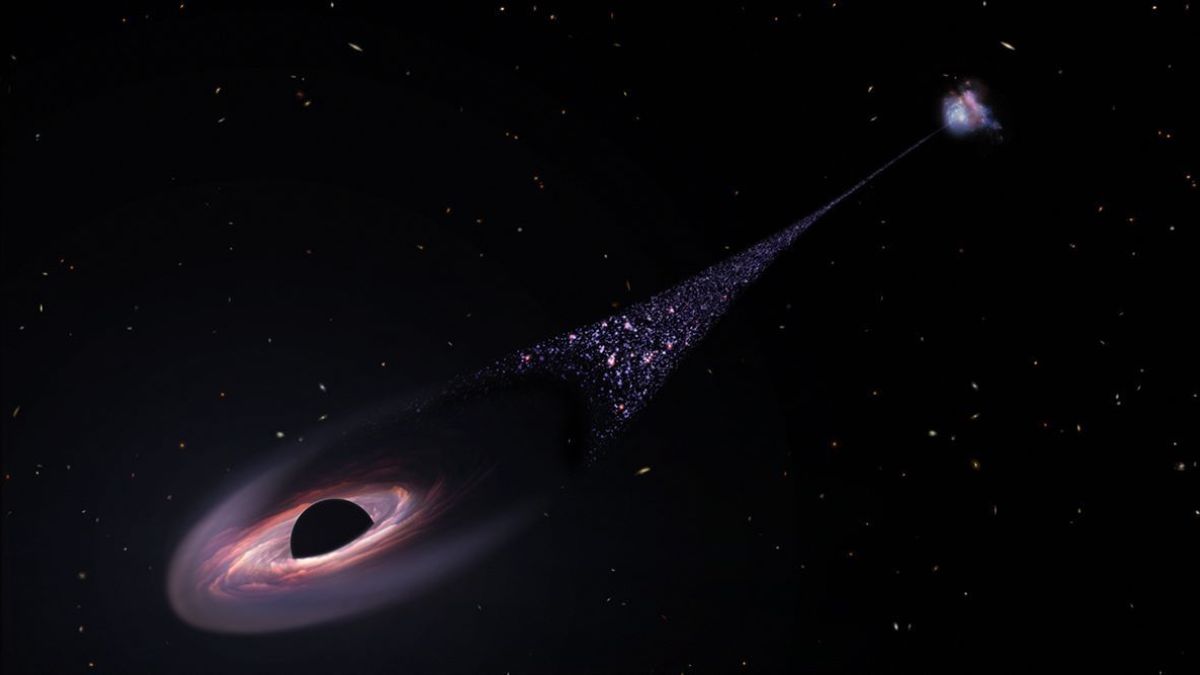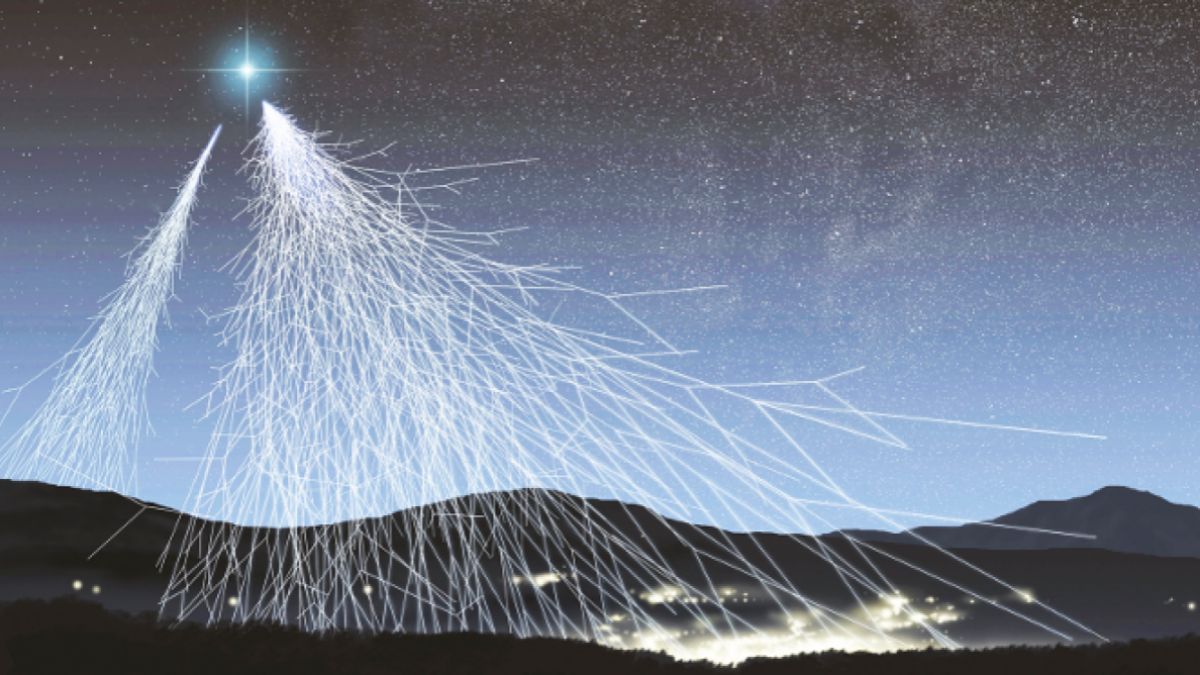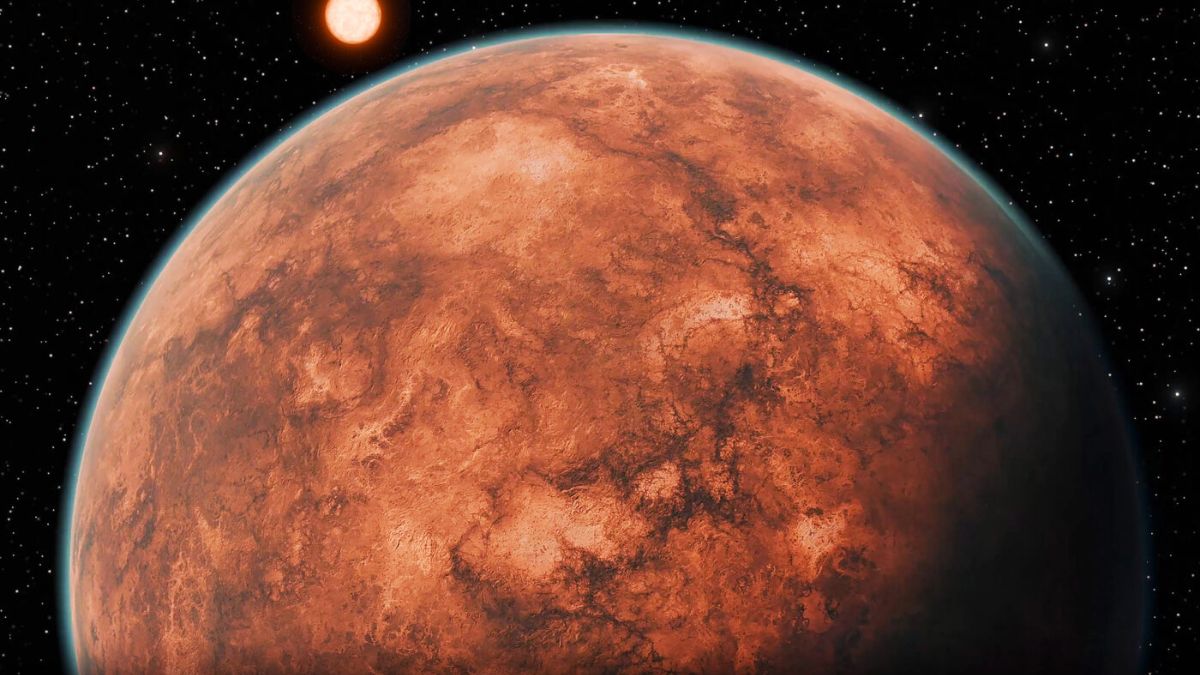

There’s something hiding behind the Moon—and it’s not science fiction. A new telescope, placed in the Moon’s shadow (the far side we never see from Earth), is already changing the game of space observation. Unlike satellites or rockets orbiting Earth, this one stays hidden and shielded from human interference. And here’s the kicker—it’s not just watching the stars. It’s watching Earth, too.
So what does this mysterious Moon telescope mean for astronomy, science, and maybe even privacy? Let’s take a look.
Table of Contents
Reason
Why put a telescope behind the Moon? Simple: silence. The far side of the Moon is naturally protected from Earth’s noise—no radio waves, satellites, or city lights. It’s the quietest place in the solar system.
That means scientists can detect faint signals from distant stars and galaxies without interference. Imagine trying to hear a whisper in a concert hall—impossible, right? But if you step into a soundproof room, suddenly you hear everything. That’s what this lunar telescope offers: a cosmic whisper-catcher.
The Moon’s shadow side acts like a natural shield, blocking out all the chaos from Earth. That’s what makes it perfect for capturing signals we’d otherwise miss completely.
Mystery
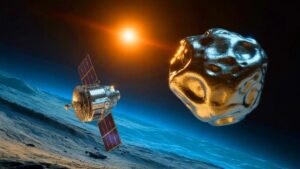
Now here’s where it gets interesting: nobody has officially claimed responsibility for this telescope. NASA? Maybe. The European Space Agency? Possibly. China’s CNSA? Could be. Some theories even suggest a secret collaboration between countries.
No agency has confirmed it, but scientists know one thing—it’s there, it’s real, and it’s already sending data. That alone has sparked celebrations in the astronomy world… and concerns in other circles.
Dualuse
What’s wild about this telescope is that it’s not just looking outward into space—it’s also looking back at us. Thanks to high-tech infrared systems and cutting-edge quantum processors, it can detect things like:
- Tectonic activity (earthquakes, volcanoes)
- Atmospheric changes related to global warming
- Shifts in sea levels and ice caps
- Even potential signs of life beyond Earth
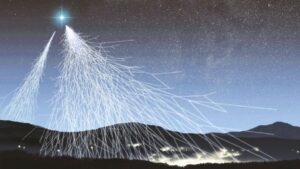
Think of it like the ultimate planetary health monitor. For scientists, it’s a dream come true—constant Earth monitoring from a silent perch in space. But for privacy advocates? It’s a little too close for comfort.
Concerns
Some people are asking big questions: Who owns this data? Who decides what to do with it? Could this telescope be used to spy on people, military actions, or government secrets?
We live in a world full of cameras—on buildings, in cars, even in our pockets. But this is different. We’re talking about a system powerful enough to map cities, zoom in on specific locations, and detect energy signatures. That’s not your average security camera.
At the same time, ignoring the benefits would be foolish. Predicting earthquakes before they strike? Monitoring climate change in real-time? Spotting asteroids years before impact? These aren’t small advantages—they’re potentially life-saving.
Benefits
Let’s take a quick look at the pros and cons of this new lunar telescope:
| Pros | Cons |
|---|---|
| Uninterrupted space observation | Lack of public transparency |
| Monitors Earth’s climate and activity | Potential surveillance concerns |
| Early detection of disasters | Unknown ownership/control |
| Advances in astronomy | Ethical implications |
Science often walks the line between helpful and invasive. This telescope is no different. It holds the power to protect or pry, depending on who’s in control.
Future
What happens next? Well, if history tells us anything, secrets don’t stay hidden forever. Eventually, we’ll likely know who built this project, who’s funding it, and how the data is being used.
For now, though, it’s a mystery—one orbiting in the silence of space, sending signals that may define the future of science and privacy.
One thing is certain: this telescope marks a turning point in how we observe the universe—and ourselves. Whether it’s a step toward solving Earth’s biggest problems or a leap into a more monitored world depends entirely on what we do with it.
FAQs
Why put a telescope behind the Moon?
To block Earth’s interference and capture clearer space signals.
Who built the Moon’s shadow telescope?
No official agency has confirmed ownership yet.
Can the telescope watch Earth?
Yes, it monitors tectonic, climate, and atmospheric activity.
Is this telescope a privacy threat?
Some fear it could be used for surveillance purposes.
What can it detect from space?
It detects gravitational waves, star signals, and cosmic echoes.