With winter closing in fast and October already bringing heavy downpours, the last thing any homeowner wants is to look outside and see their garden or driveway under water—or worse, rainwater creeping toward the house’s foundation.
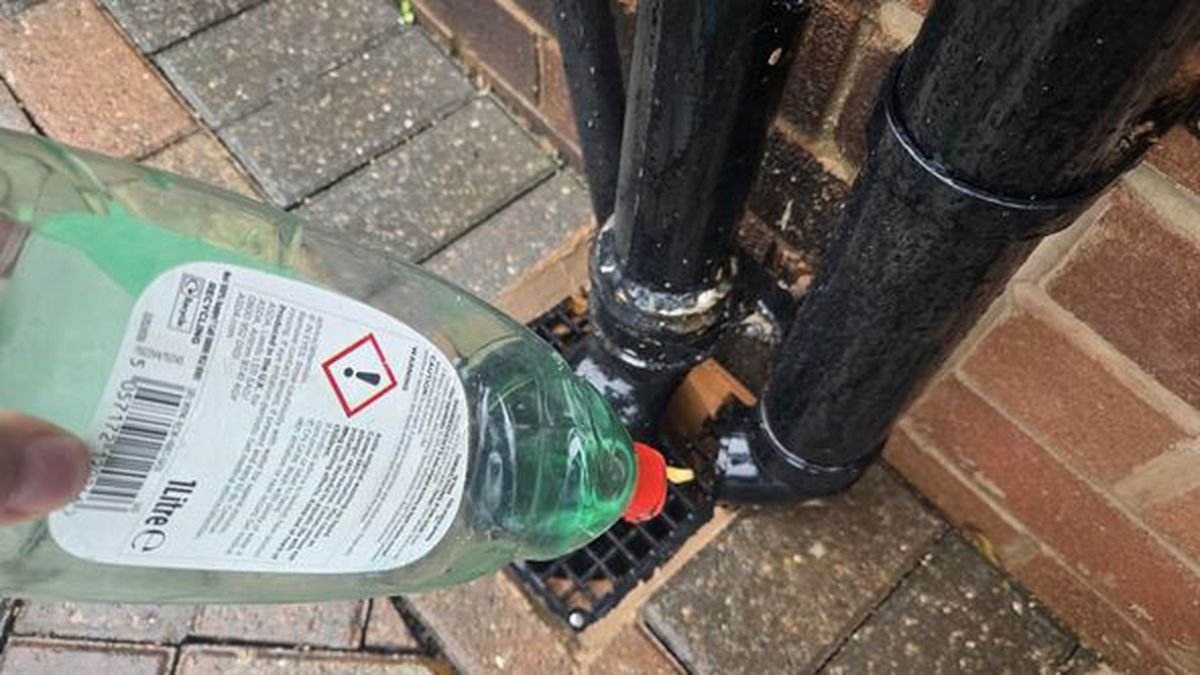
But that’s exactly what can happen when outdoor drains become clogged. When the water can’t drain away properly, it backs up quickly, flooding paths, patios, or even seeping into basements. That’s why cleaning experts are urging people to pour vinegar down their outdoor drains before things get worse.
Table of Contents
Problem

The problem usually starts with blocked drains. Heavy rainfall pushes leaves, twigs, mud, and debris into outdoor drains, especially if they haven’t been cleared in a while. All that buildup creates a blockage that stops water from draining away during a storm.
Once your drains are clogged, water starts to collect—and that’s when the flooding begins.
Prevention
But here’s the good news: you don’t need to spend a fortune on expensive drain cleaners to keep your drains in good shape. A few common household items can do the job just fine.

According to experts from plumbing websites like Wolseley and Plumbcare, one of the easiest and cheapest ways to keep drains clear is with a simple mix of vinegar and baking soda. Yes, the same stuff you use in your kitchen can help protect your home from flooding.
Method
Here’s how to do it:
- Mix 2 parts baking soda with 1 part salt
- Pour the dry mix down your outdoor drain
- Warm 4 parts vinegar (not boiling, just warm)
- Pour the vinegar down on top of the dry mix
- Let it fizz and bubble for around 15 minutes
- Finish by flushing the drain with hot water
The chemical reaction helps to break down debris, grime, and greasy buildup that can block drains over time.

You can repeat this monthly throughout the rainy season, especially in autumn when leaves are falling constantly. It’s an easy habit that could save you a lot of stress—and cash—in the long run.
Tips
If your drains still get blocked regularly despite using vinegar, it might be time to look at extra prevention methods:
- Add grates or filters over outdoor drains to catch large debris
- Avoid pouring grease or coffee grounds down any indoor drain connected to the same system
- Use plughole filters inside your home to catch hair and food particles
- Sweep leaves and debris away from outdoor drains regularly, especially after storms
These small steps can stop you from dealing with much bigger issues later.
Warning Signs
Not sure if your drain is already struggling? Look out for:
- Pooling water around the drain
- Slow drainage after rain
- Unpleasant smells coming from the drain
- Gurgling noises during heavy rainfall
If any of these signs appear, don’t wait for the next storm. Try the vinegar and baking soda mix or call a professional if the blockage is severe.
Natural
While there are chemical drain cleaners available in stores, many of them contain harsh substances that can be harmful to the environment—especially if used in outdoor drains that lead into natural water systems.
Using vinegar and baking soda offers a much greener alternative, and it’s generally safe for most plumbing systems. It’s cost-effective, easy to find in any home, and doesn’t require any special skills to use.
So before winter storms take hold, take a few minutes to show your outdoor drains some love. A simple cleaning routine with vinegar and baking soda could be the difference between a peaceful rainy evening and a flooded front yard.
Sometimes, the easiest fixes are already in your kitchen cabinet.
FAQs
Why pour vinegar in outdoor drains?
It helps break down debris and prevents blockages.
How often should I clean drains with vinegar?
Once a month, especially during rainy seasons.
Can vinegar and baking soda unblock a drain?
Yes, it creates a fizzy reaction that clears minor blockages.
Is this method safe for outdoor drains?
Yes, it’s natural, safe, and environmentally friendly.
What if my drain is still blocked?
Try a drain grate or call a professional plumber.