If you’ve noticed more spiders creeping around your home lately, you’re not alone. From September through early November, it’s officially spider mating season—which explains why these eight-legged visitors are suddenly more noticeable. As the weather cools, spiders start searching for warm, quiet spots to settle down and breed. Unfortunately, your home ticks all the boxes.
The good news? You can easily keep them out with a quick DIY trick using ingredients you probably already have in your kitchen.
Table of Contents
Season

Why are spiders more active this time of year? It’s mostly due to mating. Male spiders come out of hiding to find a mate, often sneaking into homes through cracks, vents, or windowsills. Once inside, they tend to hang around corners, basements, garages, or near windows—spinning webs and making themselves at home.
This seasonal surge means now is the best time to take preventative action and spider-proof your space.
Problem
While spiders don’t typically cause harm (and some even help by eating other bugs), they can leave behind cobwebs and trigger fear in many people. The real issue isn’t just spotting one spider—it’s knowing there may be more hiding just out of sight.

You might find them:
- In dark corners
- Under furniture
- Behind curtains
- In basements or attics
- Around doors and windows
So how do you keep them out naturally and safely?
Vinegar
Surprisingly, white vinegar isn’t just for cleaning—it’s also a natural spider repellent. Spiders have a strong sense of smell, and the strong scent of vinegar messes with their chemoreceptors (the tiny sensors on their legs).

When sprayed around your home, the smell becomes overwhelming to spiders, encouraging them to steer clear. Best of all, it’s non-toxic, safe to use indoors, and takes just seconds to make.
Here’s how to make the DIY spider repellent spray:
Vinegar Spray Recipe
| Ingredient | Quantity |
|---|---|
| White vinegar | 1 part |
| Water | 1 part |
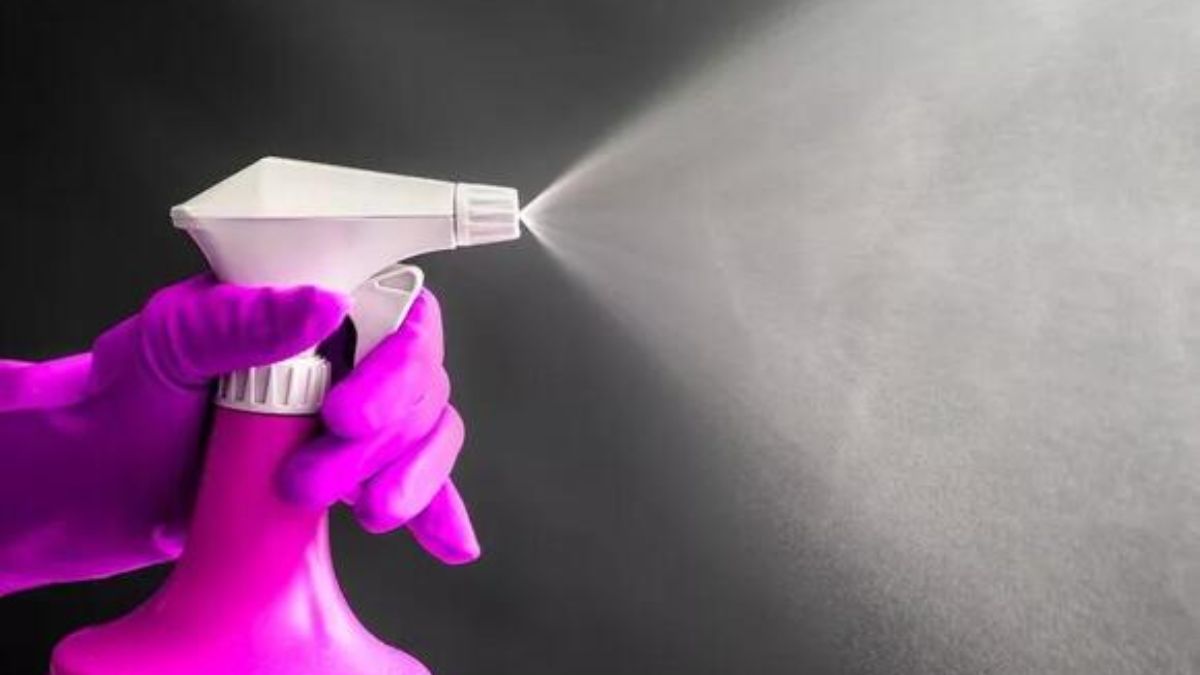
- Mix equal parts white vinegar and water in a spray bottle.
- Shake well.
- Spray around windows, door frames, baseboards, corners, and anywhere spiders might enter.
Note: Avoid spraying vinegar on varnished or polished surfaces—it may dull the finish over time.
Peppermint
If the smell of vinegar isn’t your thing, peppermint oil is another great option. Like vinegar, spiders can’t stand the strong scent. It overwhelms their senses and keeps them away.
To make a peppermint spider repellent:
- Add 15 to 20 drops of peppermint essential oil to a spray bottle filled with water.
- Shake well.
- Spray around entry points, windows, and corners.
You can also soak cotton balls in peppermint oil and place them on windowsills or in areas where spiders are commonly seen.
Plants
Want a long-term, natural deterrent? Consider growing plants that repel spiders. Many herbs and flowers emit scents that spiders find unpleasant.
Here are a few options:
- Lavender
- Mint
- Basil
- Lemon balm
- Eucalyptus
- Rosemary
- Chrysanthemums
- Marigolds
- Citronella
Just be sure to check if these plants are safe for pets before placing them indoors.
Action
With spider season in full swing, now’s the time to act. Whether you go for vinegar, peppermint oil, or spider-repelling plants, these simple methods can make a big difference in keeping your home pest-free.
It only takes a few minutes to prepare a spray or set out cotton balls, and it’s a much more comfortable solution than squishing spiders every few days.
Keep your windows closed during the evening, seal up any small cracks or gaps, and apply your chosen repellent around key entry points. Before you know it, those eight-legged intruders will start looking elsewhere for a cozy home.
FAQs
When is spider mating season?
From September to early November.
Does vinegar kill spiders?
No, it just repels them with its strong smell.
How do I make a vinegar spray?
Mix equal parts white vinegar and water in a spray bottle.
Is peppermint oil safe for pets?
Check first—some essential oils can be toxic to animals.
Where should I spray the repellent?
Around doors, windows, baseboards, and spider entry points.