When we think of treasures hidden beneath the ocean, our minds go straight to gold coins, lost ships, or ancient artifacts. But scientists exploring the floor of the North Sea just uncovered something far more valuable than anything pirates ever dreamed of—green hydrogen. Yes, not a chest of gold, but a potential source of clean, renewable energy that could help us leave fossil fuels behind for good.
This isn’t just another scientific finding—it could be the breakthrough that helps the planet take a giant step toward energy sustainability. Let’s cut into what green hydrogen is and why this discovery matters so much.
Table of Contents
Discovery

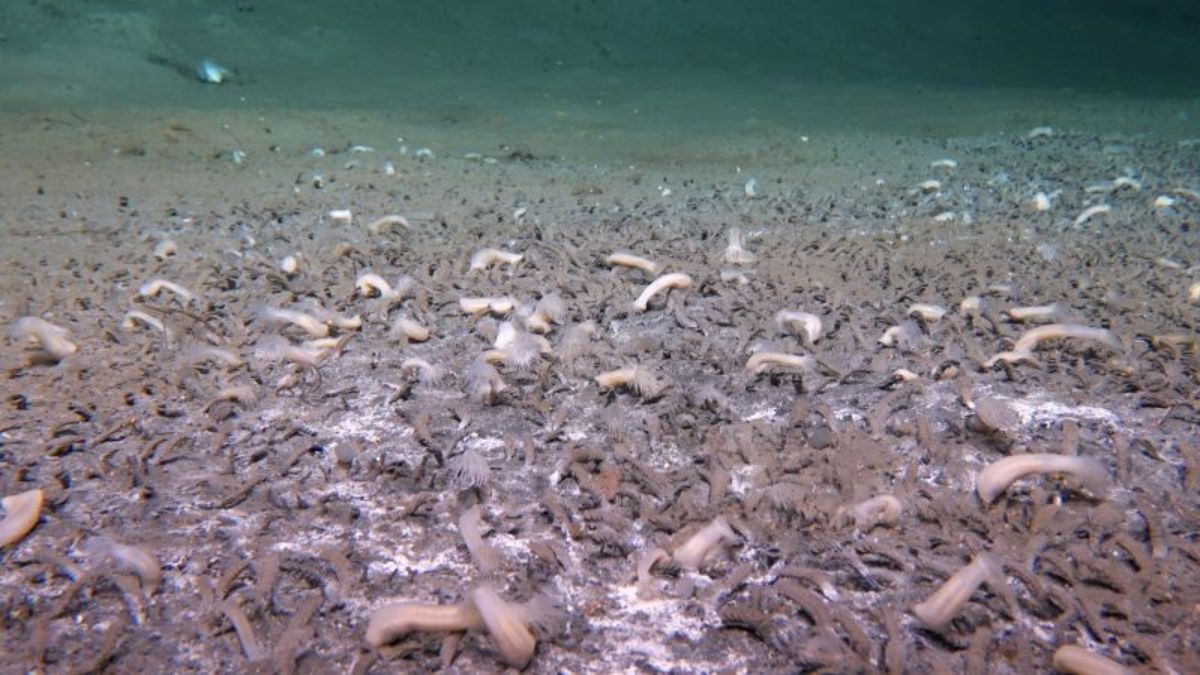
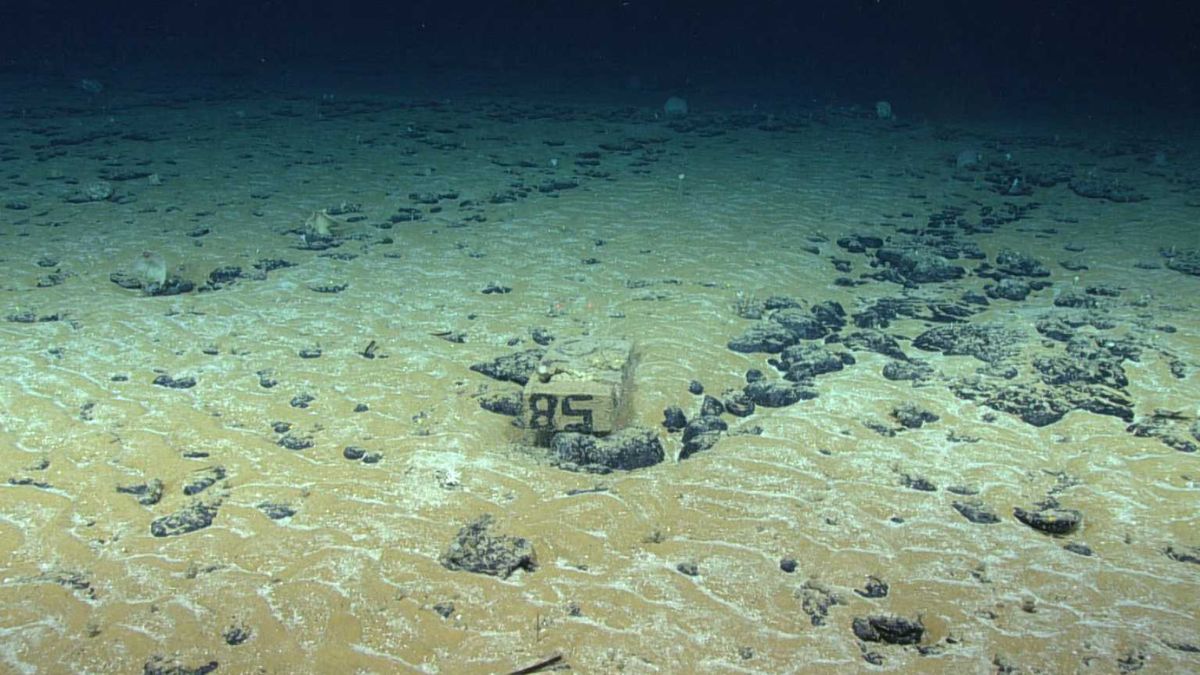
While studying the seabed in northern Europe, scientists stumbled upon a massive natural reservoir of hydrogen. According to African in Space magazine, it’s being called “the biggest treasure ever found under the ocean.” And that’s no exaggeration.
Experts estimate that around 45,000 tons of green hydrogen could be extracted annually from this area of the North Sea. That’s a game-changer. If Europe can tap into this potential, it could become a world leader in clean hydrogen production—and speed up the shift away from polluting energy sources.
Hydrogen
So, what exactly is green hydrogen?

It’s a type of hydrogen produced using renewable energy—usually from solar or wind—through a process called electrolysis. This process splits water (H₂O) into hydrogen and oxygen using electricity from clean sources.
What makes it “green” is that it doesn’t create any carbon dioxide during production. And when used as fuel, it only emits water vapor. That means no pollution, no greenhouse gases—just clean energy that’s perfect for replacing coal, oil, and gas.
Benefits
One of the greatest strengths of green hydrogen is how it solves a big problem with renewable energy: inconsistency.

Solar and wind power are awesome, but they don’t work around the clock. No sun at night, no power. No wind? Same deal. Green hydrogen changes that. It stores excess energy produced on sunny or windy days and saves it for later. That means we can rely on renewables even when the weather doesn’t cooperate.
This ability to store clean energy and use it on-demand makes green hydrogen a powerful tool in fighting climate change and cutting our dependence on fossil fuels.
Here’s a simple comparison:
| Energy Source | Emissions | Storage Potential | Reliability |
|---|---|---|---|
| Green Hydrogen | Zero | High | Very High |
| Solar | Zero | Low | Weather-based |
| Wind | Zero | Low | Weather-based |
| Fossil Fuels | High | N/A | High |
Potential
The North Sea discovery brings massive potential. Europe already leads in offshore wind farms. If it can combine that clean electricity with hydrogen production, the region could build an entire green energy ecosystem.
This could power homes, industries, and even vehicles—all without polluting the air. Imagine planes flying on green hydrogen, or factories running with zero emissions. It’s possible.
And beyond energy, green hydrogen could help stabilize global energy prices. As fossil fuels become more limited or politically unstable, green hydrogen offers a reliable alternative that’s not tied to oil markets.
Challenges
Of course, nothing this big comes without some hurdles. Even though green hydrogen is amazing in theory, there are real-world issues holding it back:
- High Costs: Setting up offshore hydrogen production requires serious investment.
- Technology Limits: Electrolysis is still expensive and needs to become more efficient.
- Regulatory Gaps: Many energy laws in Europe (and globally) haven’t caught up to hydrogen yet. There’s a lack of policies to guide its production and use.
Still, these challenges aren’t deal-breakers—they’re just growing pains. Like solar power 20 years ago, green hydrogen needs investment, innovation, and political will.
Future
This discovery isn’t about digging up treasure—it’s about building one.
If green hydrogen can be successfully harvested from the North Sea, it might be the missing link in our clean energy puzzle. The idea that a vast, invisible energy source lies beneath the waves is fascinating—and it gives hope that a fossil-free future isn’t just a dream anymore.
With cleaner skies, quieter cities, and a healthier planet in sight, this green treasure might turn out to be the most valuable discovery of the century.
FAQs
Where was green hydrogen found?
At the bottom of the North Sea between European countries.
How much hydrogen is there?
Up to 45,000 tons could be extracted yearly.
What is green hydrogen?
A clean fuel made using renewable energy and water.
Is green hydrogen clean?
Yes, it emits no CO2—only water vapor.
Why is this discovery important?
It could replace fossil fuels and fight climate change.