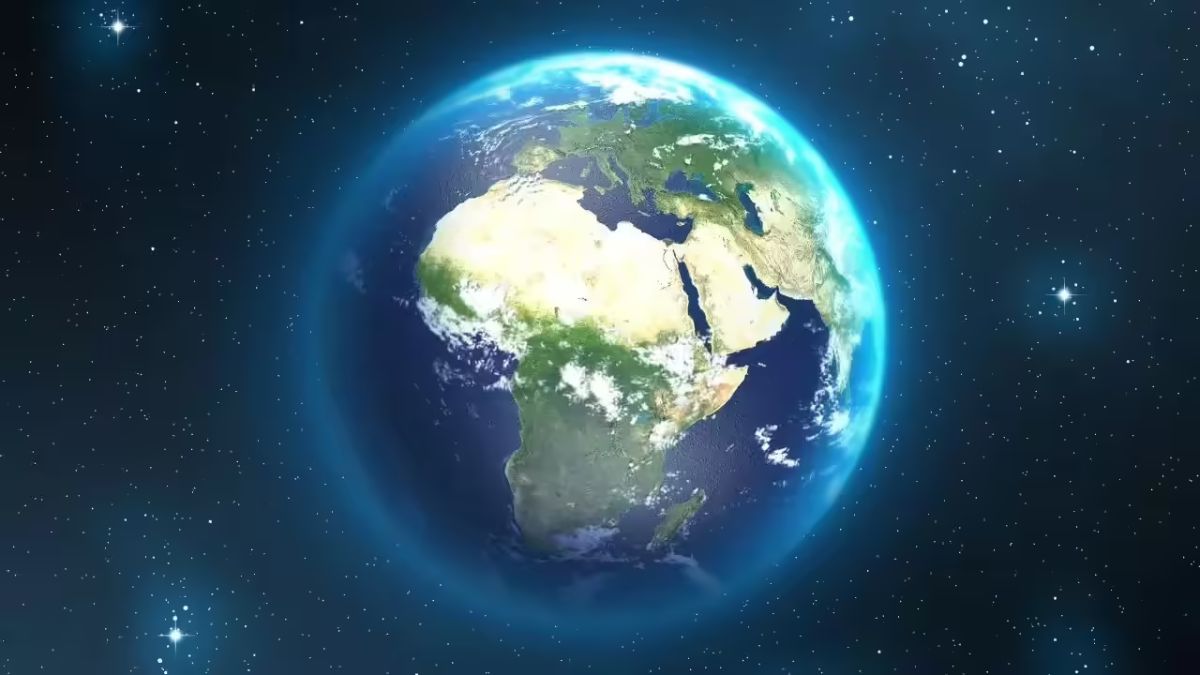
You probably wouldn’t guess it, but the air we breathe has a time limit. Not tomorrow, not next year, but at some point—Earth’s atmosphere as we know it will vanish. According to a study published in Nature Geoscience, our breathable oxygen won’t be around forever. Scary? Maybe. Fascinating? Definitely.
Researchers Kazumi Ozaki and Christopher T. Reinhard suggest that in about a billion years, oxygen levels could drop so low that life as we know it will no longer be possible. It’s not the kind of thing that’ll affect your weekend plans, but it’s a powerful reminder of how temporary everything is—even the atmosphere we depend on every second.
Table of Contents
Oxygen Clock
Oxygen might feel eternal, but scientists now believe it has a deadline. The prediction? We’ve got roughly one billion more years of breathable air left.
The surprising part? This isn’t because of pollution, climate change, or any man-made disaster. This is all part of a natural cosmic timeline. The real culprit is the Sun.
As the Sun continues to age, it will grow brighter and hotter. That change in solar energy will disrupt Earth’s carbon cycle. When that happens, the climate will shift, plants will die, and photosynthesis—the process that produces oxygen—will stop. No more plants, no more oxygen. No oxygen, no humans.
Sun Factor

Let’s talk cause and effect. Here’s how things unfold, according to current models:
- The Sun emits more energy as it ages.
- Higher temperatures mess with carbon dioxide levels.
- Plants can’t survive without the right balance of CO2.
- Without plants, there’s no photosynthesis.
- Photosynthesis stops = oxygen levels crash.
So, it’s a slow but unstoppable chain reaction. We’ll lose the oxygen, but that’s just the beginning. The atmosphere will transform into something more like early Earth—or even Titan, Saturn’s orange-hued moon.
Atmosphere Shift
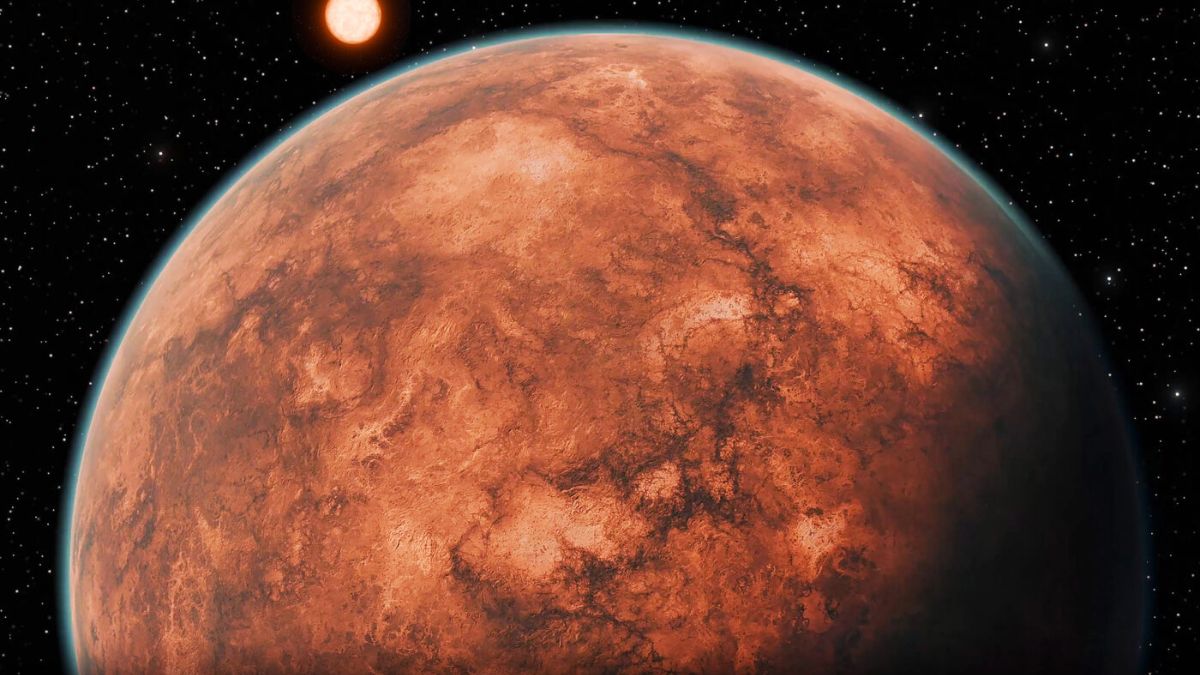
Without oxygen, Earth won’t just be unlivable for us—it’ll look completely different. The sky? It’ll lose its blue tint. The oceans? Gone. The landscape? Hot, dry, and orange.
We’re talking about a planet ruled by methane and carbon dioxide again, just like it was billions of years ago. Most animals and plants will vanish. But life may not disappear entirely.
Microbes and anaerobic organisms—lifeforms that don’t need oxygen—could thrive. These tiny survivors could be the only ones left to carry the torch of life on Earth.
Earth 2.0
This isn’t an apocalypse in the Hollywood sense. It’s more like nature hitting the reset button.
And while it’s unsettling to think about a world without air, remember: this is a slow process. We’re talking billions of years. It’s also based on simulations, not certainty. New discoveries could completely shift the timeline or rewrite the outcome.
Still, one thing scientists are sure about: the oxygen-rich world we live in is temporary.
Hope Ahead
So, what can we do? Well, there’s no “fixing” the Sun’s life cycle. But there are possibilities.
We might develop the technology to adapt or even find new homes on other planets. Maybe we’ll live in biodomes or invent ways to make artificial oxygen ecosystems. Who knows? Humanity has a pretty solid record of figuring out wild solutions when needed.
For now, the takeaway is simple: appreciate Earth. Enjoy the air, the trees, the blue sky. These are all luxuries that won’t last forever. We’re living in a rare, perfect moment in our planet’s life—and that alone is worth celebrating.
Timeline Table
Here’s a quick breakdown of the oxygen expiration timeline:
| Event | Timeframe | Effect on Earth |
|---|---|---|
| Sun begins to get brighter | Ongoing (slow process) | Gradual climate change |
| CO2 becomes too low | ~800 million years | Plants struggle, photosynthesis drops |
| Oxygen levels decline sharply | ~1 billion years | Breathable air becomes impossible |
| Methane/CO2 atmosphere returns | Beyond 1 billion years | Earth resembles early state again |
The future of our atmosphere is written in the stars—literally. It’s not something we can stop, but it is something we can understand. And in that understanding, we find both humility and inspiration.
We’re lucky to be alive in the breathable window of Earth’s long, strange story. Let’s make the most of it.
FAQs
Will oxygen really disappear?
Yes, in about 1 billion years due to solar changes.
What causes oxygen loss on Earth?
Mainly the Sun’s increased brightness and CO2 changes.
Will humans be around then?
Unlikely. It’s far in the future—about 1 billion years.
Can Earth survive without oxygen?
Only anaerobic lifeforms would survive, not plants or animals.
Is this based on real science?
Yes, it’s based on a study in Nature Geoscience.