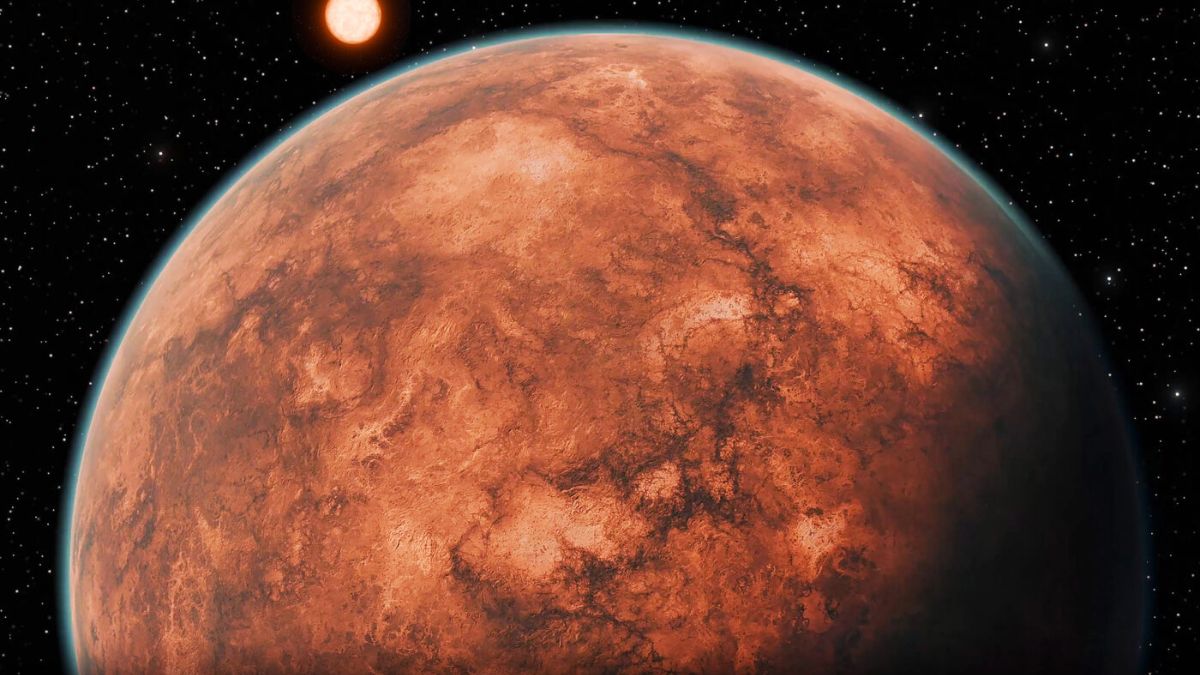

Global warming has long been blamed on human actions — from burning fossil fuels to industrial pollution. But what if there’s more to the story? Scientists have recently uncovered a surprising twist that could change the way we understand climate change.
And no, it’s not just about carbon emissions anymore. This new theory digs much deeper — literally — and points to what might be a hidden trigger for global warming beneath our feet.
Table of Contents
Discovery
It turns out, the Earth’s crust might be playing a much bigger role in the climate crisis than we thought. According to geophysicists, the melting of glaciers doesn’t just raise sea levels. It can also set off a chain reaction underground, triggering earthquakes and even awakening ancient volcanoes. These underground events release massive amounts of heat and gases into the atmosphere, potentially fueling global warming from below.
This new angle was shared by scientists at the Goldschmidt Conference in Prague. The focus? The surprising link between disappearing ice, shifting tectonic plates, and volcanic eruptions — especially in the Americas.
Melting
Here’s how it works: glaciers are extremely heavy. When they melt, the pressure they once exerted on the Earth’s crust disappears. This “unburdening” causes the ground to rise and tectonic plates to shift. Imagine popping the lid off a shaken soda can — the sudden pressure change leads to an explosive reaction.
As these plates shift, they may activate volcanic activity that has been dormant for thousands of years. This isn’t just theory. Researchers have already observed this happening beneath the surface in areas where glaciers are vanishing.
Volcanoes
One of the most concerning areas is the United States. Much of the country sits atop fault lines and volcanic regions that are sensitive to pressure changes. According to experts, this makes it one of the most complex and potentially dangerous places when it comes to underground reactions to surface-level climate change.
Hundreds of volcanoes, currently quiet, are now being studied more closely for any signs of activity. And one in particular is drawing a lot of attention.
Yellowstone
Yellowstone National Park is more than a beautiful landscape. Beneath it lies a massive supervolcano known as the Yellowstone caldera, stretching across parts of Wyoming, Idaho, and Montana. It hasn’t erupted in thousands of years — but recent studies suggest that might not last forever.
Scientists have noticed signs of magma movement below the surface. These movements cause the ground to swell and sink, indicating that pressure is building. While it’s not certain that an eruption is coming, experts agree that if Yellowstone were to blow, the environmental consequences would be catastrophic. Ash clouds, global temperature shifts, and massive ecological disruption could follow.
Pressure
So, is the Earth fighting back? Some scientists think that what we’re witnessing is more than just natural shifts. They believe human activities — particularly the warming of the planet — have set off a series of reactions within the Earth itself.
In this view, the planet is like a pressure cooker. For decades, we’ve been turning up the heat, and now the pot is starting to whistle. The Earth isn’t just warming from the outside in — it might also be heating up from the inside out.
Warnings
The big takeaway? We’re only beginning to understand the full impact of global warming. It’s not just about rising oceans or melting glaciers. There’s a whole other layer — underground — that may be contributing to the crisis.
And while reducing emissions and switching to cleaner energy is still critical, this discovery suggests we need to keep an eye on what’s happening below the surface too.
Here’s a quick breakdown of what’s at stake:
| Factor | Human Activity | Natural Reaction |
|---|---|---|
| Greenhouse gas emissions | High | Traps heat in atmosphere |
| Glacier melting | Accelerating | Releases pressure on crust |
| Tectonic movement | Triggered | Causes eruptions & quakes |
| Volcanic emissions | Potential | Adds heat, ash, and gases |
So, while we may have been fighting one enemy — human-caused global warming — there may now be another lurking below. The Earth itself could be joining the conversation in a way we never expected.
We’re not powerless, but this should be a wake-up call. Our planet is more interconnected than we realized, and every action we take on the surface might have deeper consequences. As scientists continue to investigate, one thing is clear: we’re not just facing climate change — we might be facing climate reaction.
FAQs
What did scientists discover?
They found melting glaciers may trigger volcanic eruptions.
How does glacier melting affect volcanoes?
It removes surface pressure, allowing magma to rise.
Is Yellowstone at risk of eruption?
Yes, signs of magma movement have been detected.
Can volcanic activity worsen global warming?
Yes, eruptions release heat and gases into the air.
Is the U.S. most affected by this risk?
Yes, due to its geology and glacier-covered areas.