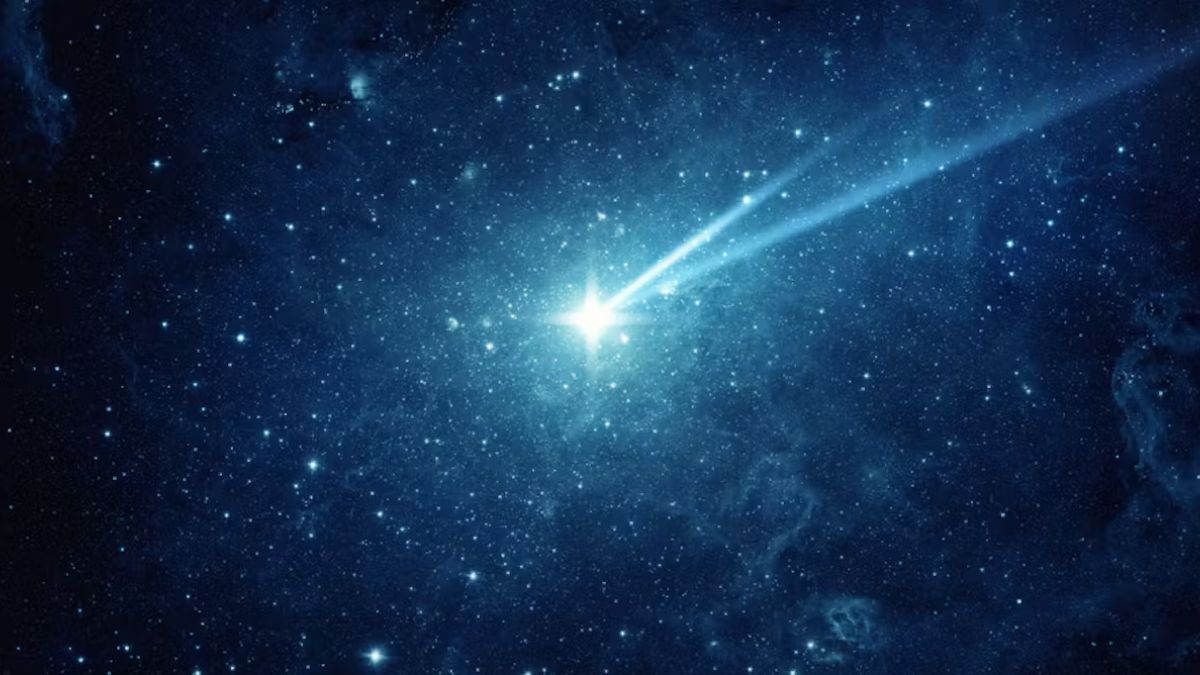
Earth’s history is full of mysteries, but few are as puzzling as the sudden return of icy conditions around 12,800 years ago. Just when the last Ice Age was wrapping up, the planet took a sharp, unexpected turn back into the cold.
Scientists have argued for decades about what caused this dramatic climate twist, known as the Younger Dryas. But now, new underwater evidence suggests a comet might have been the real culprit. Intrigued? Let’s break it down.
Table of Contents
Freeze
Picture this: Earth is slowly warming up, ice sheets are melting, and life is adapting. Then bam—a deep freeze hits out of nowhere and lasts over a thousand years. That’s exactly what happened during the Younger Dryas period. This wasn’t just a local cold snap. It was a global chill that reversed thousands of years of warming.
Traditionally, scientists blamed this freeze on meltwater from glaciers in North America disrupting ocean currents. It made sense. But now, a new theory is heating up—ironically, about a comet causing a sudden freeze.
Evidence
So, how do we go from glaciers to comets? It all comes down to some surprising clues buried deep under the ocean.
A team of researchers, led by Christopher Moore, drilled into the seafloor of Baffin Bay—between Greenland and Canada. Think of these sediment cores like nature’s filing cabinet. Each layer records a piece of Earth’s history. When they reached the layer from the start of the Younger Dryas, they found some really strange stuff:
- Tiny metallic particles
- Glass-like spheres formed by extreme heat
- Unusual levels of platinum and iridium—both rare on Earth but common in space rocks
Here’s the kicker: this is the first time these signs have been found underwater. That matters because it removes doubts about whether these materials came from forest fires or volcanic activity on land.
Theory
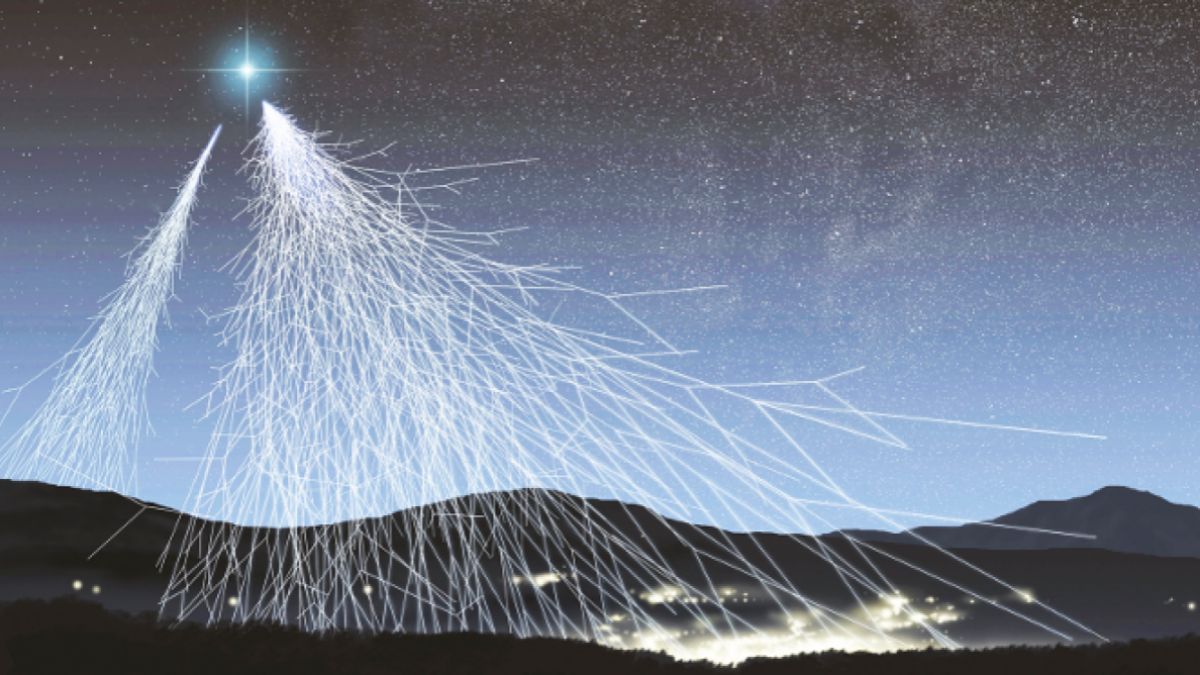
Enter the Younger Dryas Impact Hypothesis. This theory suggests that Earth passed through a cloud of debris from a shattered comet. As those fragments hit the atmosphere, they exploded with incredible force—triggering wildfires, flinging dust into the sky, and ultimately cooling the planet.
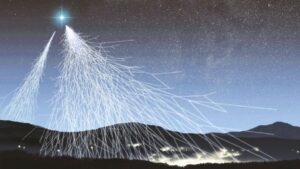
This dramatic chain of events is known as an “impact winter.” Imagine ash and dust blocking sunlight, temperatures plummeting, and ecosystems scrambling to survive. It’s like hitting the climate’s emergency brake.
Fallout
The possible comet strike didn’t just cool the Earth. It may have also reshaped life on it.
Let’s take a look at what changed around the same time:
| Event | Description |
|---|---|
| Extinctions | Mammoths, saber-toothed cats, and giant ground sloths vanished in North America |
| Human Impact | The Clovis culture—early human hunters in North America—disappeared |
| Climate Shift | Global temperatures dropped significantly for over a millennium |
These changes were massive. Some scientists think the comet-triggered climate shift made survival impossible for both humans and megafauna. Others argue that overhunting by humans played a role. The truth? Probably a mix of both.
Debate
Of course, not everyone is sold on the comet theory. Critics have long argued that the evidence found on land could easily come from other sources, like volcanoes or natural wildfires.
But the new ocean findings make that argument harder to stand by. After all, fire doesn’t burn underwater, and volcanoes didn’t cause those deep-sea particles. Still, one major piece of the puzzle is missing: a clear, identifiable impact crater. Without that, skeptics aren’t giving up just yet.
Risk
You might be wondering—could something like this happen again? The short answer: it’s possible, but unlikely in the near future.
Comets and asteroids still zip past Earth all the time. NASA and other space agencies keep a close eye on them, tracking anything that could pose a threat. While the odds of a planet-altering impact are low, even smaller strikes could mess with the climate or cause local disasters.
That’s why missions to detect, deflect, and study these objects are more than just space science—they’re insurance policies for the planet.
Reflection
The idea that a comet may have disrupted the entire climate and helped wipe out species (and cultures) is wild—but not impossible. As science uncovers more about our past, we also learn how fragile and interconnected Earth’s systems really are.
Whether you believe the comet theory or not, one thing’s clear: the planet’s history has been shaped by both cosmic and earthly forces. And as we face new environmental challenges today, looking back might be the key to looking forward.
FAQs
What is the Younger Dryas period?
It was a sudden return to cold climate 12,800 years ago.
How do scientists know a comet hit Earth?
They found rare space metals in ocean sediments.
What animals went extinct during this time?
Mammoths, saber-toothed cats, and giant sloths.
What is an impact winter?
A drop in temperature caused by dust blocking sunlight.
Could a comet hit Earth again?
Yes, though the chances are low; NASA monitors it.