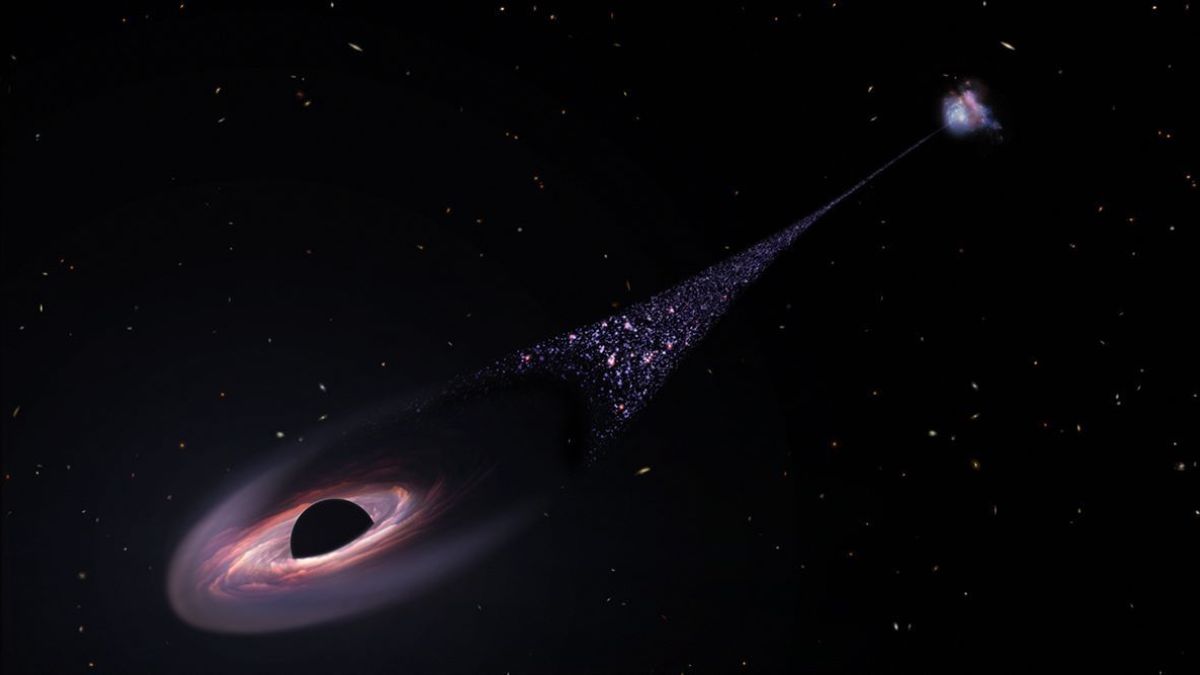
Space never stops surprising us. Just when we think we’ve seen it all, something completely unexpected shows up. Meet A11pl3Z — a mysterious object recently spotted by NASA that’s moving through our solar system at an incredible 245,000 km per hour. Its size and strange behavior have astronomers scratching their heads, wondering what exactly this thing is. Let’s cut into the details.
Table of Contents
Oddity
Unlike the usual suspects in our solar system — comets, asteroids, and planets — A11pl3Z doesn’t follow the rules. Most objects orbit the Sun, pulled in by its gravity. But this one is different. It’s flying on a straight, hyperbolic path, which means it’s not coming back. It’s not bound to the Sun at all, making it a true interstellar traveler just passing through.
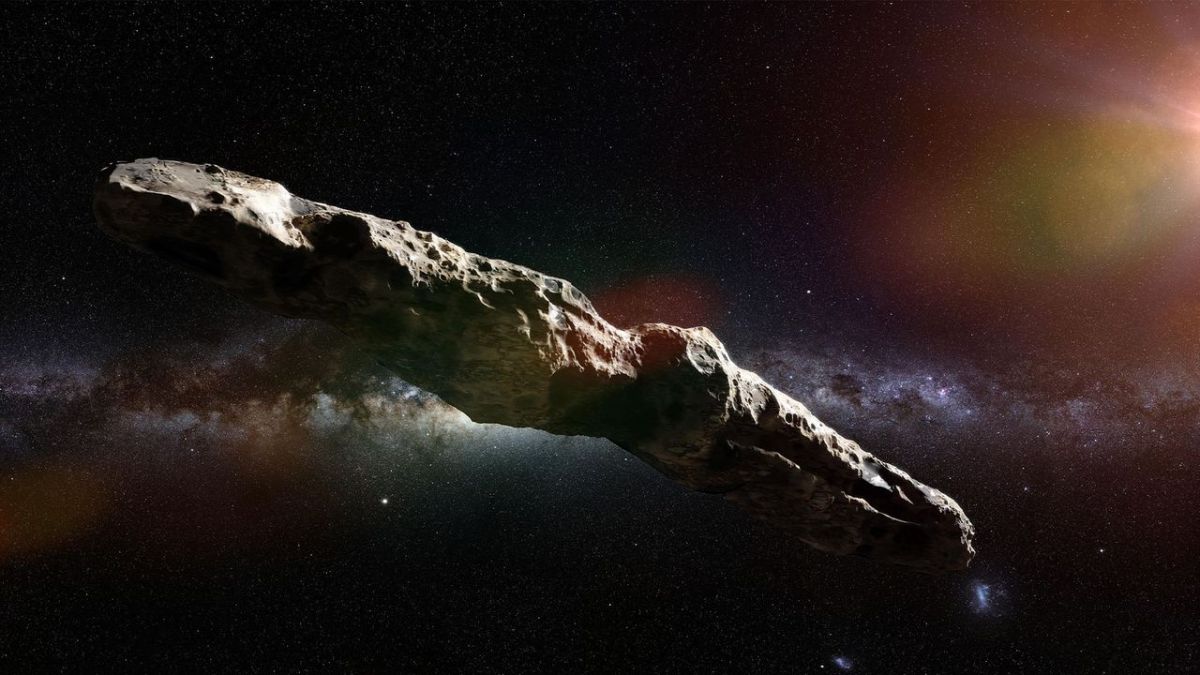
What makes this object even more interesting is its massive size. It’s estimated to be between 10 and 20 kilometers wide. That could make it the third-largest interstellar visitor ever recorded. But despite its size, A11pl3Z doesn’t glow like a comet, and it has no tail — just a dark, quiet, and fast-moving body from deep space.
Comets
Let’s talk about comets for a second. These icy travelers usually come from places like the Kuiper Belt or Oort Cloud. When they get close to the Sun, the heat causes them to develop a glowing coma and a long, bright tail — a sort of cosmic firework show.
But A11pl3Z? None of that. No coma, no tail, no shine. It might be a dead comet with no activity, or maybe it’s not a comet at all. That’s one of the big mysteries.
Journey

NASA first spotted A11pl3Z on June 25 using the ATLAS detection system. Since then, scientists have been watching it closely to track where it’s going.
Here’s a breakdown of its journey:
| Date | Event |
|---|---|
| June 25 | Detected by NASA’s ATLAS |
| October | Passes near Mars |
| December | Closest approach to Earth |
There’s no danger to Earth — when A11pl3Z is closest to us in December, our planet will be on the opposite side of the Sun. So, it’s safe to say this isn’t a doomsday rock.
Motion

A11pl3Z behaves like an outsider. It’s not circling the Sun, and it shows no signs of being part of the solar system’s usual gang. Its speed and direction suggest it’s coming from beyond and won’t be sticking around. Scientists believe it’s just visiting — and that’s what makes it so exciting.
Identity
So, what is A11pl3Z really? The truth is, no one knows yet. But there are a few educated guesses:
- A weak or dead comet that doesn’t show typical activity.
- A dark, rocky asteroid with no icy components.
- Something entirely new — a class of object we’ve never seen before.
Richard Moissl, an expert from the European Space Agency, believes it’s most likely a comet. But he also admits anything else is possible. That’s why powerful tools like the James Webb Space Telescope and the Vera C. Rubin Observatory are gathering as much data as they can while it’s nearby.
Visitors
Before A11pl3Z, only two interstellar objects had been officially confirmed:
| Object | Year | Description |
|---|---|---|
| ‘Oumuamua | 2017 | Long, flat, no tail, strange motion |
| 2I/Borisov | 2019 | More like a classic comet |
Now, A11pl3Z joins the list — and possibly tops it in size and mystery. These rare visitors give us tiny glimpses into other star systems and how they work.
Significance
Why should we care about a rock from another galaxy? Because interstellar objects like A11pl3Z might hold secrets from the early days of the universe. They might contain materials or organic compounds that help us understand how planets form, or even how life might start.
There could be thousands of these objects zooming through our solar system without us even noticing. With new detection systems, we’re finally starting to catch them in the act. And each one is a chance to learn something brand new.
A11pl3Z may be just a visitor, but it’s a reminder that the universe is full of mysteries — and we’ve only scratched the surface.
FAQs
What is A11pl3Z?
A mysterious interstellar object entering our solar system.
Is A11pl3Z dangerous to Earth?
No, it won’t come close enough to pose any threat.
How fast is A11pl3Z moving?
It moves at around 245,000 km per hour.
Does A11pl3Z have a tail?
No, it shows no signs of a comet-like tail.
When was A11pl3Z discovered?
It was detected by NASA on June 25, 2025.