Mark your calendars for August 2, 2027. On that day, the world will witness a once-in-a-lifetime event — a total solar eclipse that will last more than 6 minutes. This isn’t your ordinary eclipse. It’s expected to be one of the longest and most breathtaking in modern history. If you’re in the right place at the right time, you’ll be treated to a rare show where the sky goes dark in broad daylight.
Let’s cut into what makes this eclipse so special and why you might want to plan ahead to experience it.
Table of Contents
Eclipse
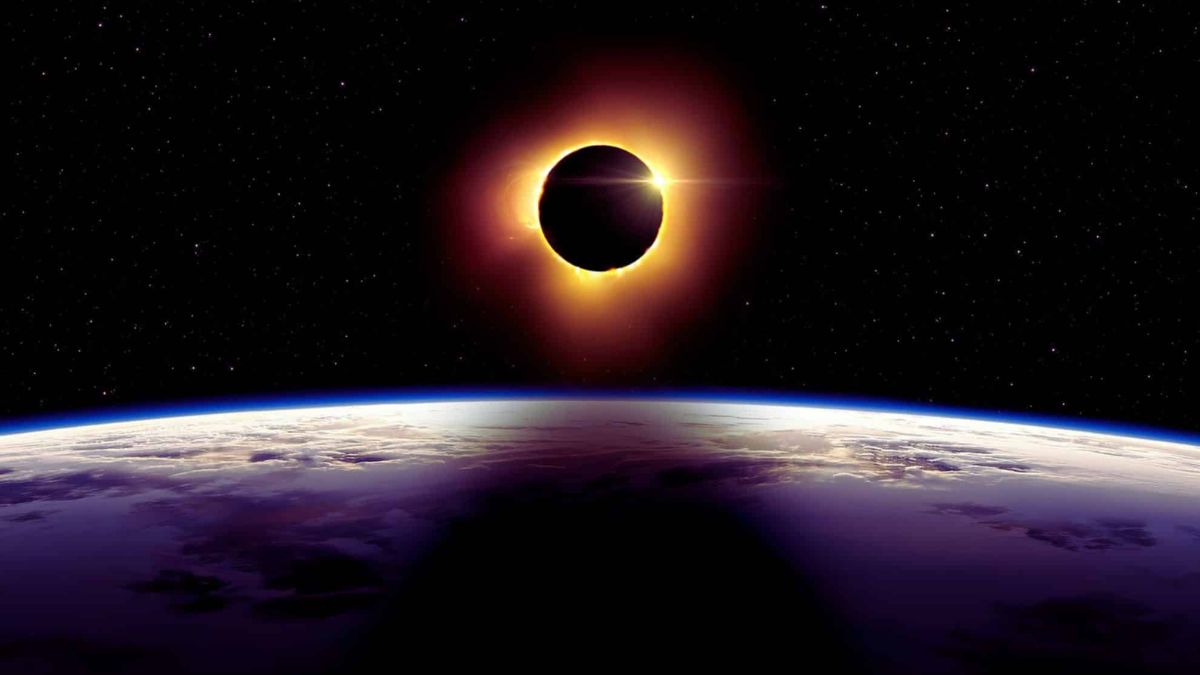
A solar eclipse occurs when the Moon passes directly in front of the Sun, blocking its light and casting a shadow on Earth. Typically, these moments of total darkness last just a couple of minutes. But in 2027, something unusual will happen — totality will last an incredible 6 minutes and 23 seconds.
That’s more than double the length of most solar eclipses, giving viewers an extended chance to marvel at this stunning event.
Timing
So why will this eclipse be so long? It comes down to two rare space events happening at the same time.
- The Earth will be at aphelion – This means our planet will be at its farthest point from the Sun. When this happens, the Sun appears slightly smaller in the sky.
- The Moon will be at perigee – That’s when the Moon is closest to Earth, so it appears larger than normal.

The result? A perfect combination where the Moon looks big enough to fully cover the slightly smaller-looking Sun. Add to that the fact that the Moon’s shadow will be passing near Earth’s equator — where our planet spins fastest — and you get a longer eclipse than usual.
Path
The shadow path of the eclipse will be nothing short of epic. It will begin in the Strait of Gibraltar, move through southern Spain, continue across North Africa, stretch over the Arabian Peninsula, and finally fade into the Indian Ocean.
Here are some notable places along the eclipse path:
| Location | Approx. Darkness Duration |
|---|---|
| Cádiz, Spain | 4 minutes |
| Málaga, Spain | 4 minutes |
| Tangier, Morocco | Complete totality |
| Tetuan, Morocco | Complete totality |
| Luxor, Egypt | 6 minutes and 23 seconds |
Luxor will be the best place on Earth to view the eclipse in its full glory.
Safety
As magical as it is, watching the Sun with the naked eye — even during an eclipse — is dangerous. You must use proper solar viewing glasses with ISO 12312-2 certification to safely enjoy the show.
And since this event will take place in August, be ready for intense heat, especially in countries like Egypt and Morocco. Make sure to bring:
- Plenty of water
- Sunscreen and a hat
- Comfortable clothing
- A chair or mat for resting
- Proper eye protection
Historic
What makes the 2027 solar eclipse truly historic is its duration. Most total eclipses last about 2 to 3 minutes, but this one will stretch over 6 minutes, making it one of the longest in modern times.
The next eclipse of similar length won’t happen until 2114. That means for most people alive today, this will be a once-in-a-lifetime opportunity.
Cosmic
One of the most magical things about a total solar eclipse is the surreal transformation of day into night. You’ll see stars and planets appear in the sky, birds may go silent, and temperatures might drop noticeably. It’s not just a visual show — it’s a full sensory experience.
The 2027 eclipse is a chance to pause and connect with the universe in a deep, unforgettable way.
Memory
For those who experience it, this will become a core memory — a cosmic milestone they’ll talk about for the rest of their lives. It’s rare to witness the full power of the Moon and Sun coming together in such harmony.
If you’ve ever wanted to feel like a part of something bigger, this is your moment. Start planning now because the best views will require being in the right place at the right time.
FAQs
When is the 2027 solar eclipse?
It will happen on August 2, 2027.
How long will the eclipse last?
Totality will last 6 minutes and 23 seconds.
Where is the best place to see it?
Luxor, Egypt, will offer the longest view.
Is it safe to look at the eclipse?
Only with ISO-certified solar glasses.
Why is this eclipse historic?
It’s one of the longest eclipses in modern history.