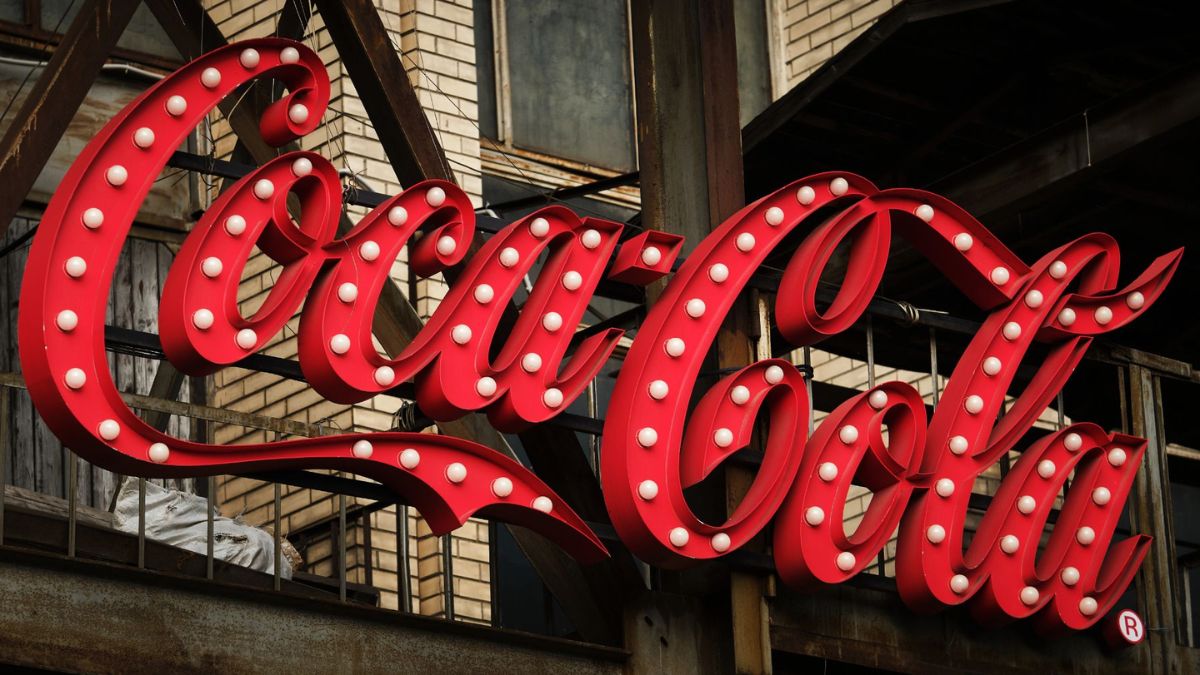
A new fizz is in the air, and it’s not just coming from a Coke bottle. Coca-Cola is stepping into the future with a bold new idea—a vending machine that doesn’t need electricity. Instead, it runs on hydrogen. That’s right, the same clean fuel powering modern cars is now behind your favorite soda.
And the best part? It produces zero emissions. Coca-Cola plans to unveil this revolutionary vending machine at the World EXPO 2025 in Osaka, Japan. Get ready for a greener sip of refreshment.
Table of Contents
Hydrogen

How does it actually work? This new machine, built by Fuji Electric, is powered by a hydrogen fuel cell. It uses small, replaceable hydrogen cartridges that react with oxygen in the air. This reaction creates electricity through an electrochemical process, which powers the machine.
In other words, science meets soda. No wires. No plugs. Just clean energy doing the job of traditional power lines.
Emissions
Here’s what makes this machine truly special—it doesn’t pollute. While most machines run on electricity from fossil fuels, this one emits only water vapor. That means no carbon dioxide, no toxic fumes, and no dirty footprint.

Hydrogen as a fuel is already being used in vehicles, and this new application proves just how versatile and planet-friendly it can be. It’s like turning your soda break into an eco-moment.
Autonomy
This machine is fully autonomous. The electricity it creates is stored in a built-in battery, so once it’s powered up, it doesn’t need any connection to the electrical grid.
That makes it perfect for outdoor events, festivals, rural areas, or emergency situations. It can serve cold drinks anywhere—without a single cord in sight.
Awareness

Coca-Cola isn’t just trying to go green; they’re trying to make you care, too. Each machine comes with a screen that explains how hydrogen works and why it’s important. It’s like a mini science lesson with your soda.
By doing this, Coca-Cola is not just refreshing people, they’re also refreshing minds.
Potential
But this isn’t just a vending machine—it’s a gateway to more sustainable tech. If the model works, we could see hydrogen fuel being used for portable fridges, charging stations, or temporary digital displays.
Think about the possibilities at outdoor concerts, disaster relief zones, or rural markets. These machines could open up clean, mobile infrastructure wherever it’s needed most.
Impact
Let’s crunch some numbers. The U.S. has around 4 million vending machines. Each one consumes about 2,500 kWh annually. That’s 10 billion kWh every year, resulting in roughly 4 million tons of CO2 emissions.
That’s the same as 850,000 gas-powered cars polluting the atmosphere for a year. By switching even a portion of those machines to hydrogen, we could make a massive environmental impact.
| Metric | Amount |
|---|---|
| Vending Machines in U.S. | 4 million |
| Energy Use per Machine | 2,500 kWh/year |
| Total Energy Consumption | 10 billion kWh/year |
| CO2 Emissions per Year | 4 million tons |
| Equivalent to Gas Cars | 850,000 vehicles |
Future
Hydrogen is no longer a distant dream—it’s here. Most industries have been looking at cars and transport when it comes to hydrogen, but Coca-Cola just proved that even something as ordinary as a vending machine can be a game-changer.
This shift shows that every small action counts. And when a global giant like Coca-Cola takes the first step, it sends a powerful message: if they can do it, so can we.
So the next time you grab a Coke, think of it not just as a drink, but as a tiny symbol of a cleaner, smarter future.
FAQs
How does the Coca-Cola machine run?
It uses hydrogen cartridges and oxygen to generate electricity.
Does it create pollution?
No, it emits only water vapor, not carbon dioxide.
Can it work without electricity?
Yes, it operates fully off-grid with no plugs or wires.
Where will it be launched?
It will debut at World EXPO 2025 in Osaka, Japan.
Is this machine available now?
No, it’s still a prototype and hasn’t launched globally yet.