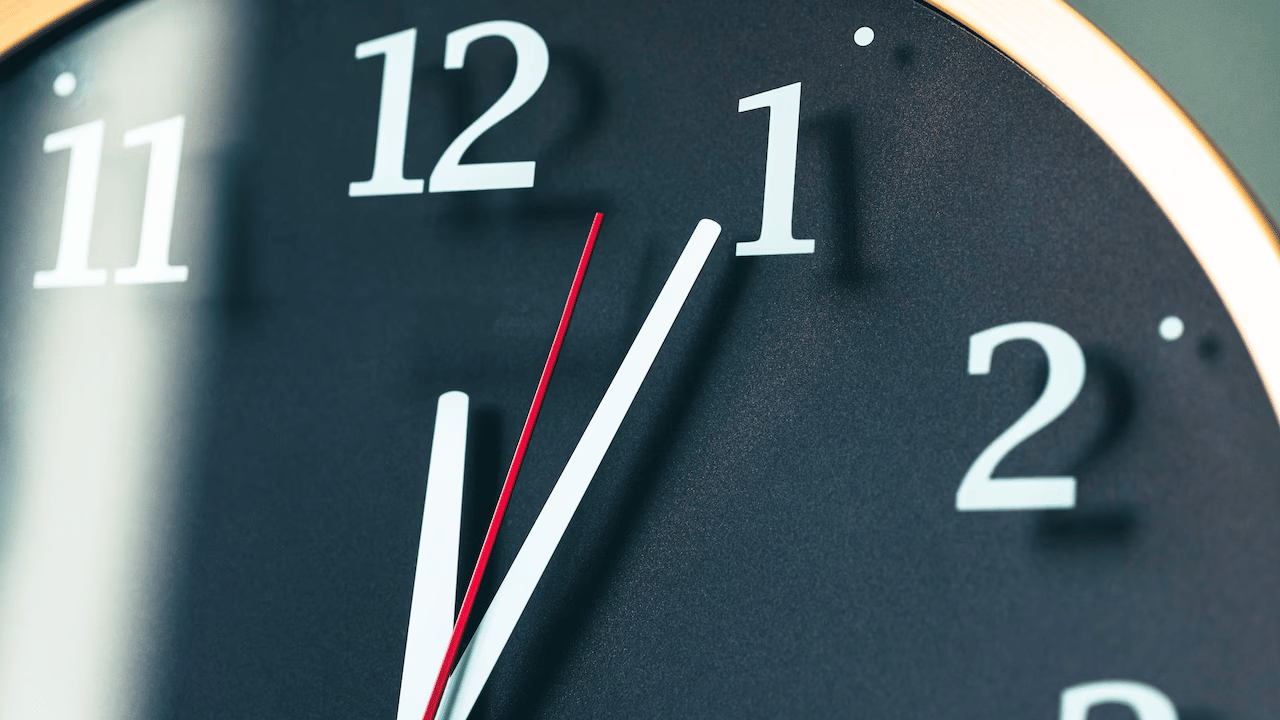
Pumpkin spice lattes aren’t the only seasonal ritual October brings. We’re also gearing up for that semi-annual clock shuffle: the end of Daylight Saving Time (DST). On Sunday, November 2, at 2 a.m., the U.S. will “fall back” one hour, giving early risers brighter mornings and commuters darker evenings.
This marks eight months since clocks first jumped ahead on March 9. And fun fact—it’s one of the earliest possible dates for the switch, just a day later than the absolute earliest: November 1.
Table of Contents
Why Do We Still Change the Clocks?

The modern system has been in place since 2007, thanks to the Energy Policy Act of 2005. Lawmakers extended DST by roughly a month, stretching it to 238 days—about 65% of the year. The theory was simple: more daylight in the evening would cut down on electricity usage.
But the real history runs much deeper. DST was first introduced in the U.S. in 1918 during World War I as a way to conserve energy. It’s been tweaked and debated ever since. According to the National Institute of Standards and Technology (NIST), the purpose is still the same: shifting daylight from the morning to the evening during warmer months, and then returning it when days grow shorter.
In their words: “The transition from DST to standard time effectively moves one hour of daylight from the evening to the morning.”
Where DST Doesn’t Apply

While most of the U.S. observes the time shift, there are a few exceptions:
- Hawaii
- American Samoa
- Guam
- Puerto Rico
- The Virgin Islands
- Arizona (except for the Navajo Nation, which does observe DST)
That patchwork approach has fueled calls for uniformity. Several states have passed legislation to lock the clock—either permanently on standard time or permanent DST—but they’re still waiting on federal approval.
How the Schedule Works
Here’s the current formula, in place since 2007:
| Transition | When It Happens | Effect |
|---|---|---|
| Start of DST | Second Sunday in March | Clocks move forward one hour (“spring forward”) |
| End of DST | First Sunday in November | Clocks move back one hour (“fall back”) |

That means in 2025, clocks will “spring forward” again on March 9 and “fall back” on November 2.
Does It Really Save Energy?
That’s the million-dollar question. Early studies suggested minor energy savings, mostly by reducing lighting needs in the evening. But in the modern era of air conditioning, 24/7 devices, and flexible work hours, many researchers—including the U.S. Department of Energy—say the savings are negligible, if they exist at all.
Health experts also point out that the clock changes can disrupt sleep cycles, raising risks of accidents and even heart issues during the adjustment period. That’s why the debate about scrapping DST altogether resurfaces every fall and spring.
The Cultural Ritual
Whether or not it saves power, the tradition is deeply embedded. The phrases “spring forward” and “fall back” are part of seasonal life, as familiar as pumpkin spice in October or fireworks in July. For most people, it’s a minor inconvenience—resetting the microwave clock, getting an extra hour of sleep, or bracing for a darker evening commute.
But as more states push for permanent time laws, this ritual may not last forever. For now, though, November means setting the clocks back—and maybe savoring that extra hour of weekend rest.
FAQs
When does Daylight Saving Time end in 2025?
DST ends on Sunday, November 2, 2025, at 2 a.m.
Why do we change the clocks?
It was originally introduced to conserve energy by shifting daylight into the evening hours.
Do all U.S. states observe DST?
No. Hawaii, most of Arizona, and several U.S. territories do not.
How long is Daylight Saving Time?
About 238 days—roughly 65% of the year.