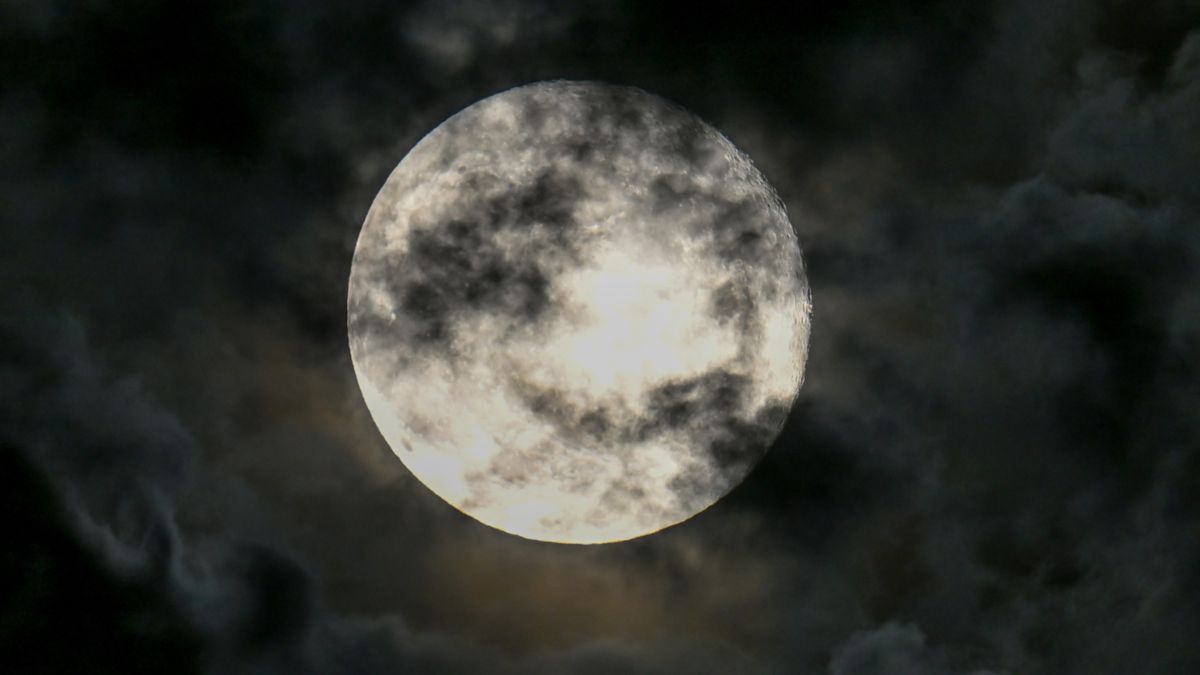
If you’re a fan of skywatching, make sure to look toward the horizon on Monday night. October is bringing the first supermoon of the year, also known as the harvest moon, and it’s set to light up the night sky in a big way.
The full moon will be at its brightest and fullest around 11:48 p.m. ET on Monday, but it will still appear nearly full into the early hours of Tuesday. According to astronomers, even if it’s cloudy where you are, you’ll have another chance to catch a great view the following night.
Table of Contents
What is the Harvest Moon?

The harvest moon is the name traditionally given to the full moon closest to the autumnal equinox, which marks the beginning of fall. In earlier times, its light was crucial for farmers, helping them gather crops late into the evening.
The name has been passed down through generations and is now one of the most well-known full moons of the year, not just for its timing, but also for its beauty and brightness.
Why is it a Supermoon?
This year, October’s harvest moon is also a supermoon, the first of three in a row.

A supermoon occurs when the moon reaches perigee, its closest point to Earth in its orbit. Because it’s nearer to us, the moon appears slightly larger and brighter than usual. While the difference might not be huge to the casual observer, those who regularly watch the moon can definitely tell.
NASA’s Noah Petro, who’s part of the Artemis III mission team, recommends going out and observing the moon not just on Monday night but over the next few days—and even throughout the month—to really notice how its appearance changes over time.
A Connection to Lunar Missions
There’s another reason this moon feels extra special.

Just two weeks ago, NASA revealed its latest group of astronauts, some of whom may one day set foot on the Moon or even Mars. Next year, the Artemis II mission will send four astronauts around the Moon—the first crewed lunar mission in over 50 years.
So, when you gaze at the harvest moon on October 6, you’re not just looking at a beautiful natural phenomenon. You’re also looking at a place where humans are preparing to return, and possibly live and explore for years to come.
Don’t Miss These Celestial Events
This harvest supermoon is only the beginning. There are two more supermoons to come in 2025:
| Date | Supermoon Name |
|---|---|
| November 5 | Beaver Moon |
| December 4 | Cold Moon |
And if that’s not enough, there are plenty of meteor showers on the way too. Here are the peak dates to mark on your calendar:
| Meteor Shower | Peak Dates |
|---|---|
| Draconids | October 8–9 |
| Orionids | October 20–21 |
| Southern Taurids | November 4–5 |
| Northern Taurids | November 11–12 |
| Leonids | November 16–17 |
| Geminids | December 13–14 |
| Ursids | December 21–22 |
Each shower offers a unique display, from slow-burning fireballs to fast-falling streaks of light. Find a dark spot, bring a blanket, and enjoy the view.
Keep Watching the Skies
Celestial events like these are not just visually stunning—they’re a reminder of our connection to space. Whether you’re catching the glow of a supermoon or the sparkle of a meteor shower, you’re taking part in something that has fascinated humans for thousands of years.
And with NASA’s Artemis missions moving full speed ahead, the Moon is no longer just a distant object in the sky. It’s a destination once again.
So grab your binoculars, look east after sunset, and enjoy the harvest moon. You might just find yourself looking at the same lunar landscape future astronauts will one day walk on.
FAQs
When is the harvest supermoon?
It peaks on Monday night, October 6, around 11:48 p.m. ET.
What is a supermoon?
A full moon that occurs when the moon is closest to Earth.
Will I see the moon if it’s cloudy?
Try again Tuesday night—it’ll still look nearly full.
Why is it called the harvest moon?
It’s the full moon closest to the start of autumn.
What’s the next celestial event?
The Draconid meteor shower, peaking October 8–9.