Imagine sipping a warm cup of tea… on the Moon. Sounds like something from a sci-fi movie, right? Well, British scientists just made it a real possibility.
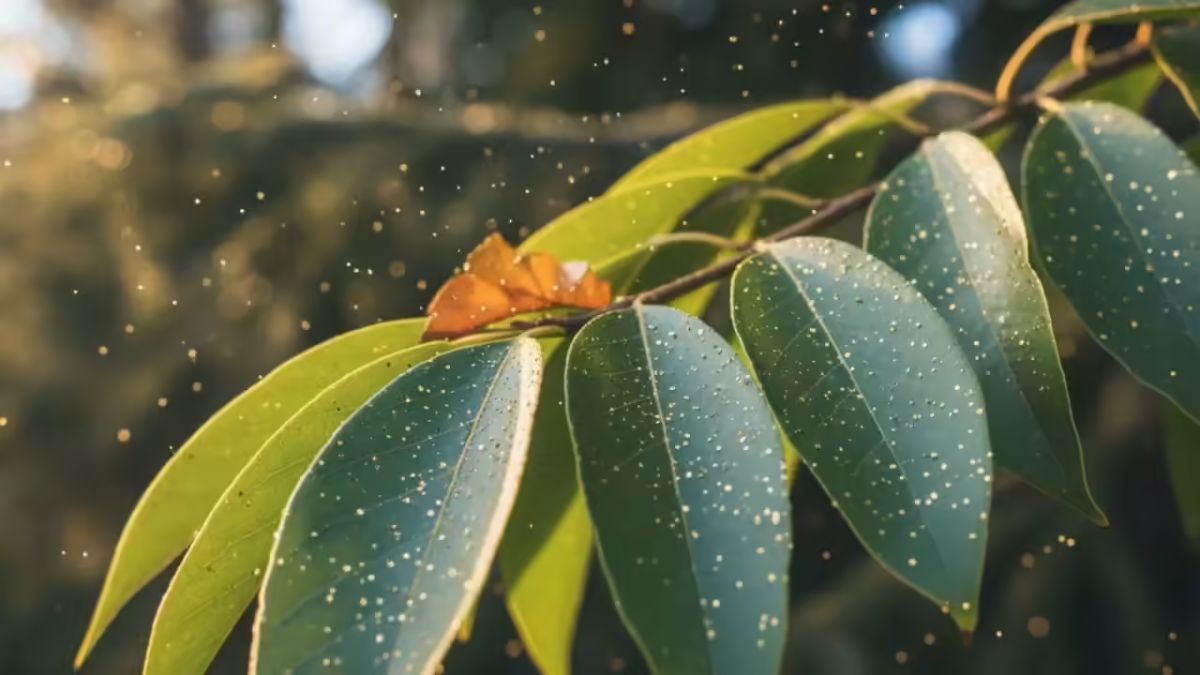
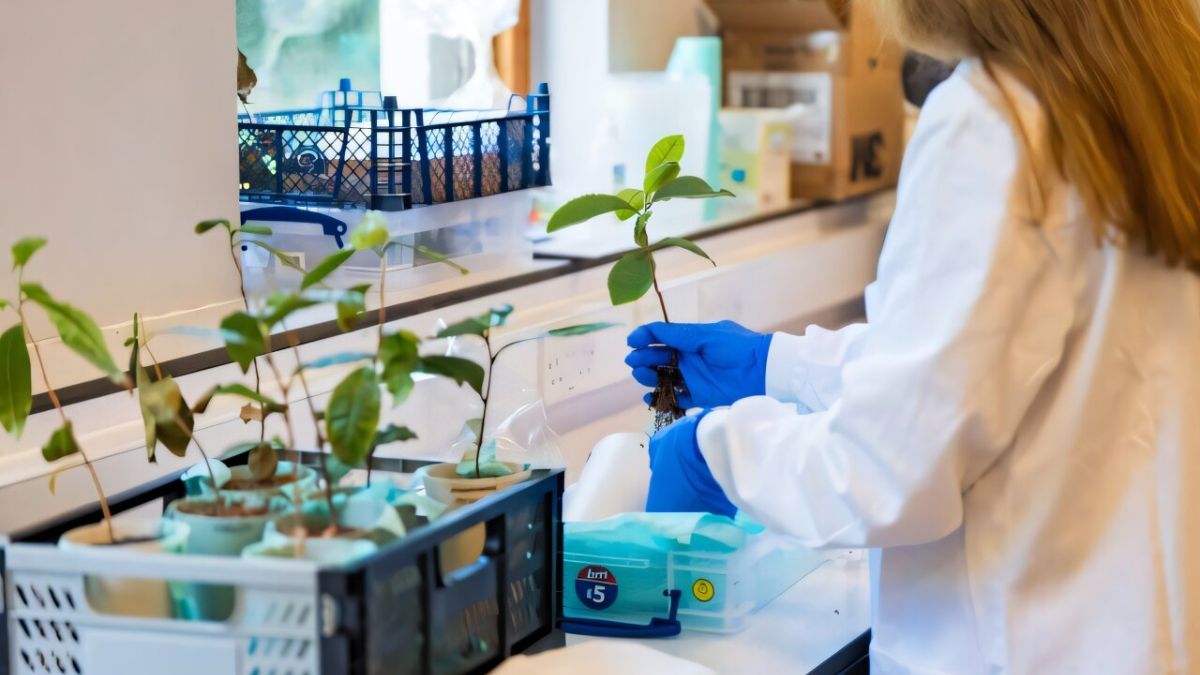
In a groundbreaking experiment, researchers at the University of Kent managed to grow tea plants in a soil engineered to mimic lunar conditions. This curious blend of tradition and technology could shape the future of space agriculture—and yes, it might mean tea breaks in space.
Table of Contents
Experiment
The idea started with a simple but bold question: Can tea grow in space-like conditions? Professor Nigel Mason from Kent’s School of Physics and Astronomy, alongside Dr. Sara Lopez-Gomollon from the School of Biosciences, led the study. They were joined by research students Anna-Maria Wirth and Florence Grant. Together, they planted tea saplings in three types of soil:
- A lunar soil simulation
- A Martian soil simulation
- Regular Earth soil as the control
Each environment was carefully controlled for temperature, humidity, and light to replicate what a plant might experience on the Moon or Mars.
Results
After weeks of observation, the results surprised everyone:
| Soil Type | Growth Result |
|---|---|
| Lunar Simulation | Plants flourished |
| Earth Soil | Plants grew normally |
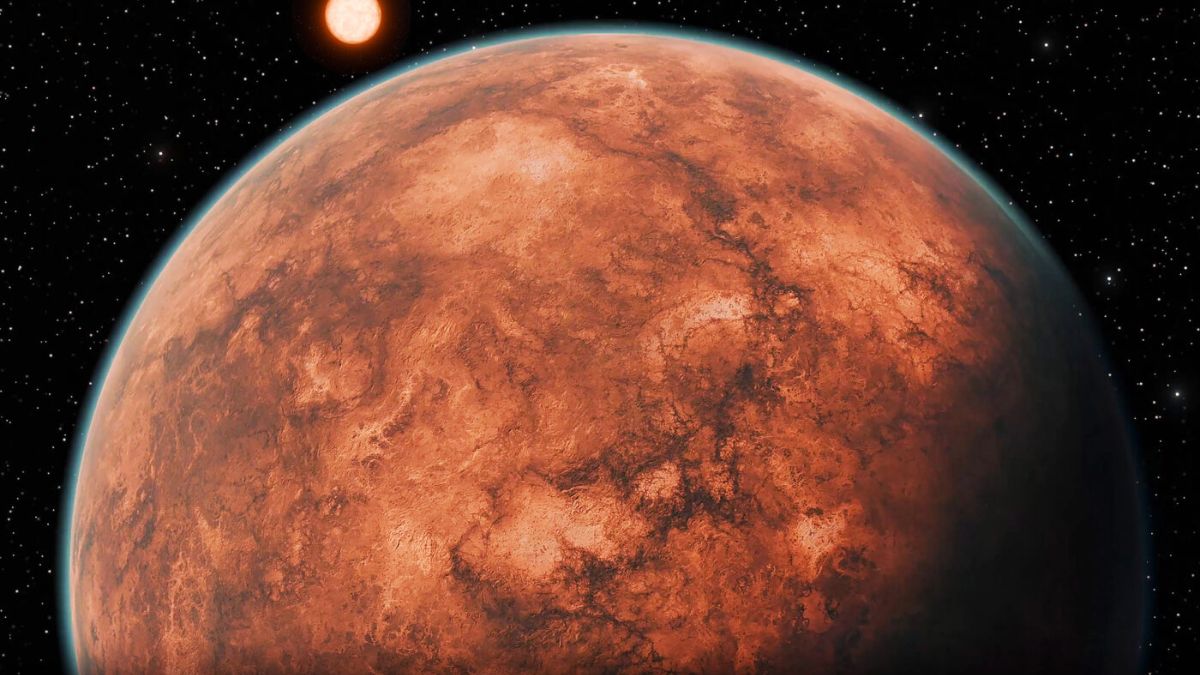
| Martian Simulation | Plants did not grow |
The tea saplings planted in lunar soil not only survived—they thrived. Meanwhile, the ones planted in the Mars-like soil didn’t grow at all. So, while Mars may be out for now, the Moon looks promising for future gardening.
Meaning
So, why does this matter? Well, this experiment is about much more than tea. It’s a major step in space agriculture—a field that’s gaining importance as space agencies prepare for longer missions to the Moon and, eventually, Mars. If astronauts can grow food in space, they become less dependent on Earth supplies.
Dr. Lopez-Gomollon sees this as just the beginning. She noted how understanding the plant’s reactions to these environments could help improve the growth process and apply it to other crops too. In other words, tea is just the test subject—lettuce, tomatoes, or even wheat could be next.
Culture
Beyond science, there’s something charmingly British about the whole thing. Professor Mason highlighted this with a touch of humor, suggesting that even in space, people might soon enjoy that beloved tradition—a tea break. It’s a comforting idea: even while orbiting the Moon, humans might sip a cuppa, bringing a piece of home to the final frontier.
Impact
What’s interesting is that the study’s implications aren’t limited to space. The experiment also sheds light on how plants respond to harsh conditions, which is useful back here on Earth. With soil degradation becoming a global issue due to climate change and over-farming, these findings could help farmers grow crops in areas once considered unsuitable.
Basically, if we can grow tea in “Moon dirt”, there’s hope for barren lands here too.
Teamwork
This project wasn’t a solo mission. It brought together a mix of expertise:
- Dartmoor Tea, a British tea plantation, lent agricultural insight.
- Lightcurve Films, known for space documentaries, helped document the research.
- Europlanet, a network of planetary scientists, offered scientific support.
The blend of science, culture, and collaboration helped turn an unusual idea into a potentially world-changing discovery.
Future
So, what’s next? More experiments, more crops, and deeper research. The Kent team plans to continue exploring how different plants react to lunar soil and conditions. If successful, future lunar missions might carry mini greenhouses filled with not just tea but other essential crops.
It’s the first sip in what could be a long brew of discoveries.
Who would’ve guessed the journey to making space livable might begin with something as humble—and British—as a tea leaf?
FAQs
Can tea really grow in lunar soil?
Yes, researchers successfully grew tea in simulated Moon soil.
Did any tea grow in Martian soil?
No, tea plants did not survive in Martian soil simulation.
Who led the lunar tea experiment?
Prof. Nigel Mason and Dr. Lopez-Gomollon from Kent University.
Is this useful for farming on Earth?
Yes, it helps us learn to grow food in poor soil conditions.
What’s the next step after this?
Testing more crops in lunar soil and deeper research.