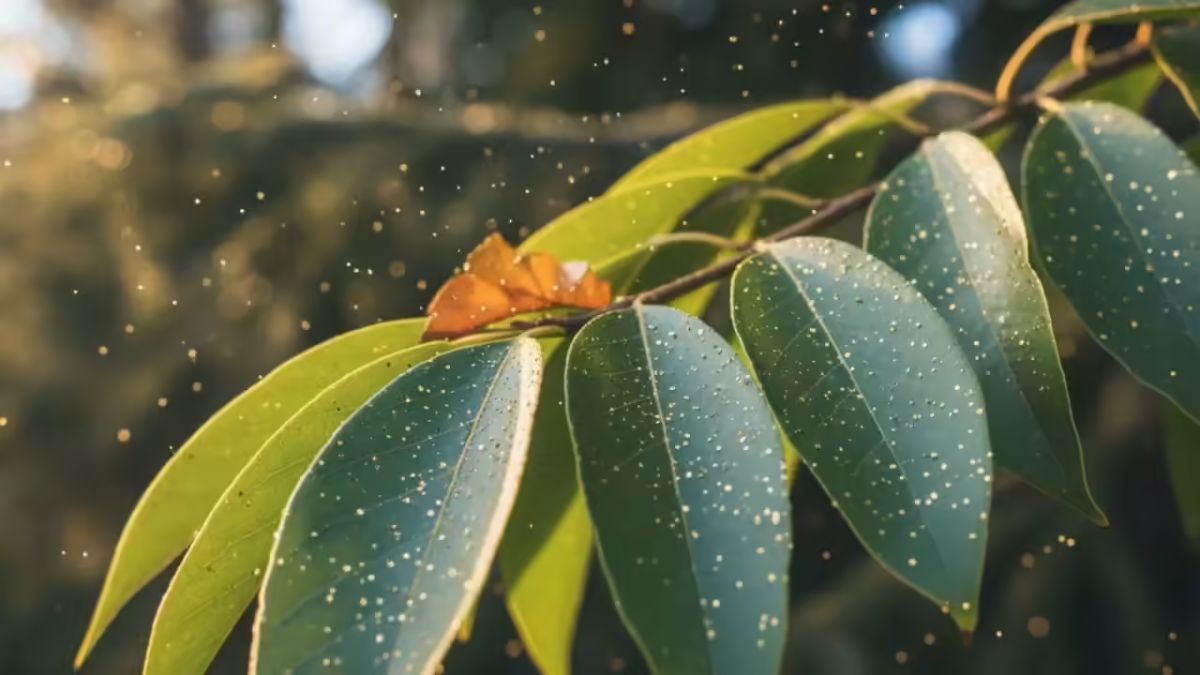
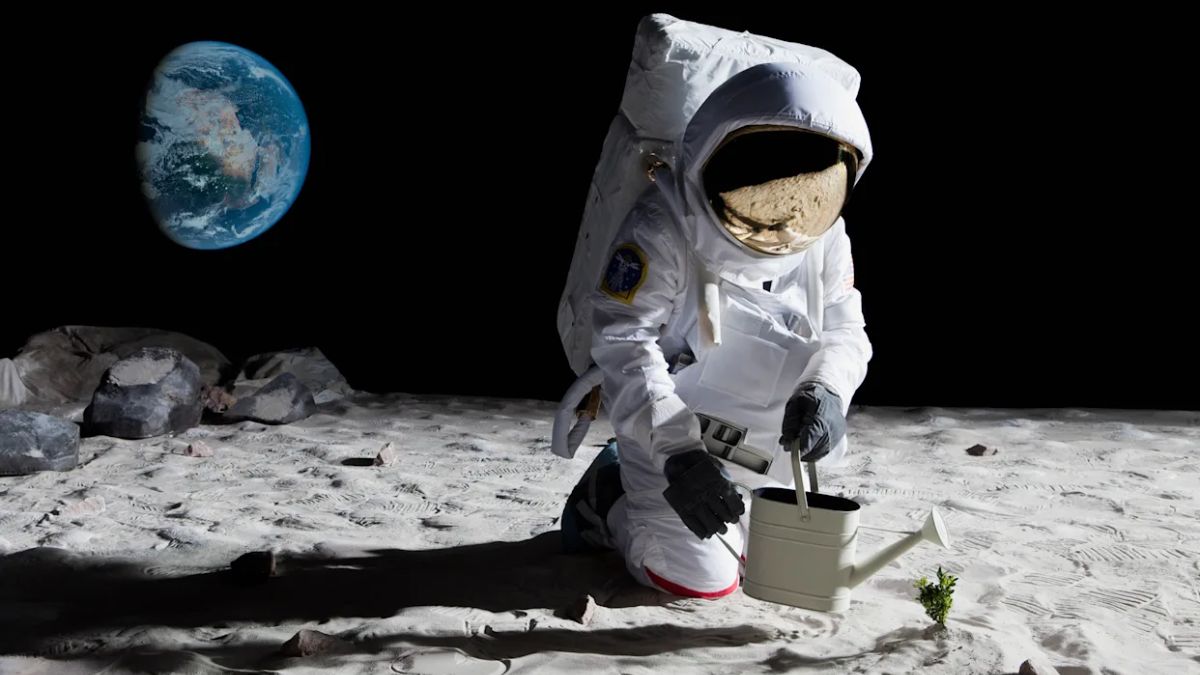
A warm cup of tea on the Moon? Sounds like a scene from a sci-fi movie, right? But British researchers have taken this idea from fantasy to reality. A team from Kent University managed to grow tea plants in soil that mimics the lunar surface.
Yes, tea on the Moon may not be such a distant dream after all. Let’s break down how this strange-yet-exciting experiment unfolded, and what it means for the future of farming in space — and here on Earth.
Table of Contents
Experiment
The study was spearheaded by Professor Nigel Mason from Kent’s School of Physics and Astronomy and Dr. Sara Lopez-Gomollon from the School of Biosciences. They teamed up with research students Anna-Maria Wirth and Florence Grant to answer one quirky yet significant question — can tea plants survive in space-like conditions?
To test this, they planted young tea saplings in three types of soil:
- A lunar soil simulation (to mimic the Moon)
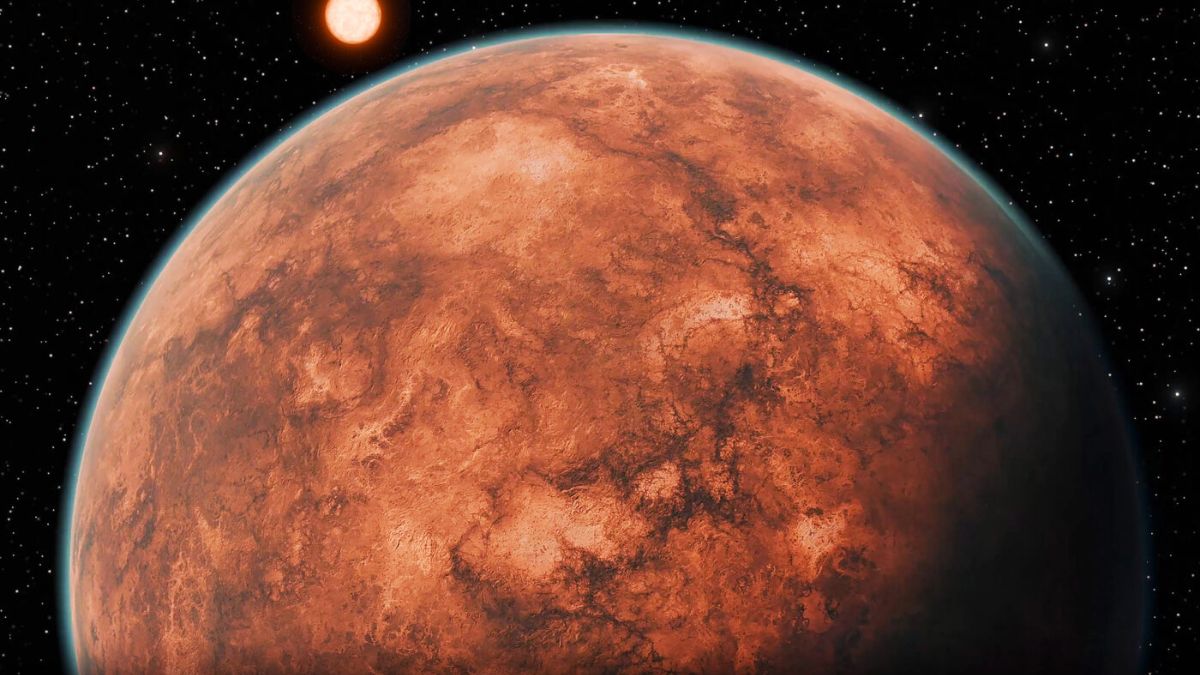
- A Martian soil simulation (for Mars)
- Normal Earth soil (as a control group)
Results
After weeks of controlled conditions — with artificial lighting, humidity, and temperature — the plants began to show their true colors. The results were more surprising than expected.
| Soil Type | Growth Result |
|---|---|
| Lunar Simulation | Plants rooted and flourished |
| Earth Soil | Plants grew normally |
| Martian Simulation | Plants failed to grow |

The tea plants in the lunar soil didn’t just survive — they actually flourished. Unfortunately, the Martian version of the soil wasn’t so plant-friendly.
Breakthrough
Why is this such a big deal? It proves that certain crops can grow in non-Earth environments. That’s a crucial step forward in the world of space agriculture — the science of growing food in space to support future missions and even settlements.
Dr. Lopez-Gomollon said the results were promising, especially for a crop like tea, which holds both cultural and commercial value. She explained that further studies will explore how to improve plant growth under these extreme conditions and apply these findings to other food crops.
Culture
Professor Mason took it a step further. He pointed out not just the scientific angle, but the emotional and cultural impact too. For many Brits, tea is a daily ritual, a break from the chaos, a comfort drink. Knowing that even on the Moon, a good cup of tea might still be possible, connects future space travelers with a bit of home.
Relevance
This experiment isn’t just useful for space. It has serious implications here on Earth too. As we deal with worsening climate change and soil degradation, knowing how to grow plants in extreme or poor-quality soils could help shape the future of agriculture.
Imagine applying techniques from lunar farming to areas hit by droughts, over-farming, or high soil salinity. Learning to farm in difficult environments is becoming more relevant than ever.
Teamwork
This wasn’t a solo mission. The University of Kent researchers partnered with:
- Dartmoor Tea, a UK-based tea plantation offering crop expertise
- Lightcurve Films, known for space-themed documentaries
- Europlanet, a European network of planetary scientists
This collaboration is a perfect example of how combining science, culture, and creativity can lead to breakthroughs. Asking “can tea grow on the Moon?” might seem silly — but it ended up opening doors to practical, real-world innovations.
Possibility
Let’s take a moment to think about how far we’ve come. A few decades ago, the idea of farming in space felt like pure fiction. Today, we’re not only talking about it — we’re actually doing it. And the fact that tea — such a comforting and universal beverage — led the way? That’s just poetic.
So, next time you sip your morning cuppa, remember: the same plant might one day be growing in a lunar greenhouse, fueling astronauts and reminding them of home. And that’s not just science fiction — it’s science fact.
FAQs
Can tea really grow on the Moon?
Yes, tea plants grew in simulated lunar soil successfully.
Did tea grow in Martian soil?
No, the plants failed to grow in Martian soil simulation.
Why grow tea in space?
To explore space agriculture and support future astronauts.
Who led the tea space study?
Prof. Nigel Mason and Dr. Sara Lopez-Gomollon led the project.
Can this help Earth farming?
Yes, it helps us understand growing in poor soil conditions.