Hydrogen is often praised as the clean energy hero of the future. But here’s the twist — not all hydrogen is as green as it sounds. One type in particular, known as black hydrogen, is raising serious red flags among environmental experts.
Produced from coal, black hydrogen might just be one of the most polluting and misleading fuels in the energy transition. So, what exactly is black hydrogen, and why is it such a big problem?

Let’s uncover the hidden side of this so-called clean fuel.
Table of Contents
Black
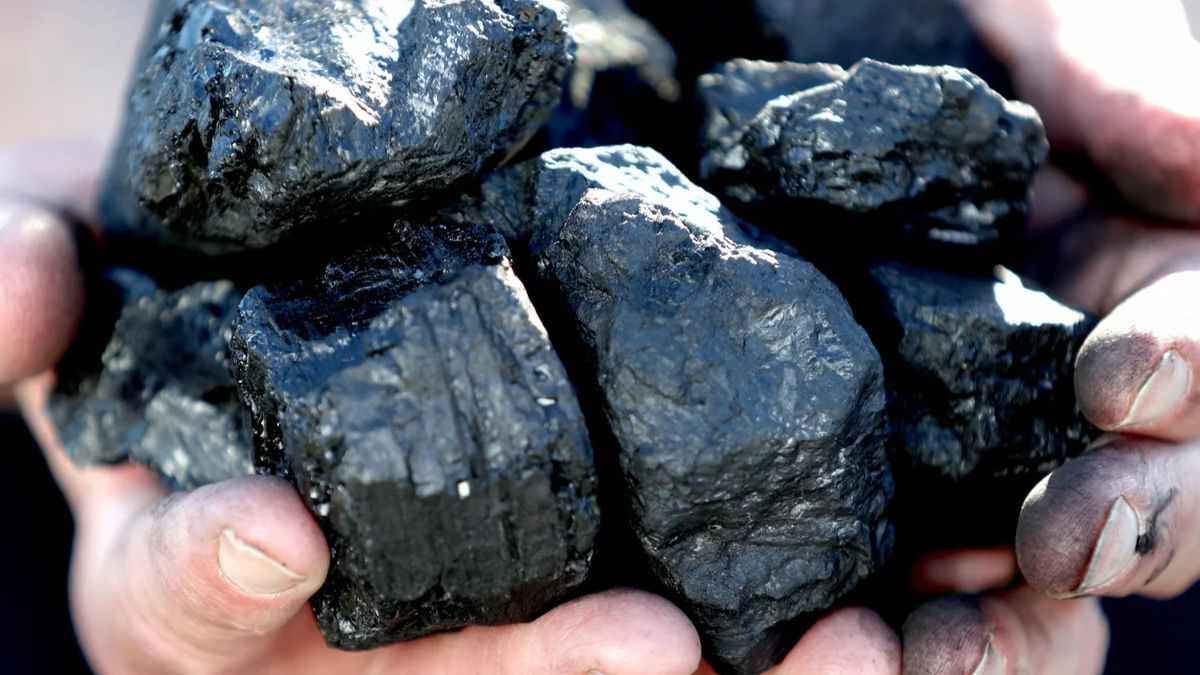
Black hydrogen is made through a process called coal gasification. Specifically, it involves bituminous coal — a type of coal that’s abundant in many countries. In this method, coal is combined with oxygen and steam at very high temperatures to create what’s called synthesis gas, or syngas. This syngas is then processed to extract hydrogen.
Sounds technical, but here’s the catch: this entire process is incredibly dirty. According to the International Energy Agency (IEA), producing just 1 kilogram of black hydrogen releases between 22 and 26 kilograms of carbon dioxide. And since most of these operations don’t include carbon capture systems, those emissions go straight into the atmosphere.

That’s more CO₂ per unit than even oil or diesel.
Reasons
So why are some countries still using black hydrogen? The answer isn’t about science — it’s about money, infrastructure, and outdated habits. Let’s break it down.
| Factor | Explanation |
|---|---|
| Infrastructure | Coal mines, power plants, and rail systems are already built and in use. |
| Weak regulations | In many regions, there’s no penalty for polluting — so dirty fuel stays cheap. |
| Industry habits | Sectors like ammonia and methanol production still depend on fossil hydrogen. |
In short, black hydrogen sticks around not because it’s smart or clean, but because it’s convenient — and change is expensive.
Impacts

The environmental cost of black hydrogen goes far beyond just carbon emissions. It causes a chain reaction of damage:
- It emits over 20 kg of CO₂ per kg of hydrogen.
- Coal mining pollutes air, soil, and nearby water sources with methane, dust, and heavy metals.
- Local ecosystems around mines suffer from reduced air quality and biodiversity loss.
- Communities near coal operations face health problems and degraded living conditions.
- The hidden costs of cleanup, healthcare, and climate damage make black hydrogen a financial burden in the long term.
Black hydrogen may seem cheap upfront, but society pays the price in ways that don’t show up on a balance sheet.
Solutions
We already know black hydrogen is a problem — so how do we fix it? Here are some key steps that can help phase it out:
- Enforce stronger emissions regulations that limit how much CO₂ producers can release.
- Label hydrogen clearly by source: green (renewable), blue (fossil with capture), black (coal-based).
- Set fair carbon prices so companies pay for the pollution they create.
- Increase investment in green hydrogen technologies, like electrolysis powered by solar or wind.
- Support coal-dependent regions with a just transition: retrain workers, build new industries, and invest in sustainable jobs.
- Encourage international collaboration to share hydrogen innovations and ensure cleaner global standards.
Getting rid of black hydrogen won’t be easy — but it is necessary.
Choices
Black hydrogen is a warning sign dressed as a solution. While it plays a role in some energy systems today, it brings more harm than good. Continuing to use it means locking ourselves into outdated, polluting infrastructure that risks undoing decades of climate progress.
The global energy transition must be about more than just shifting fuel types — it has to be about choosing the right ones. Clean energy means clean sources. If we’re serious about hitting climate targets, black hydrogen cannot be part of the future.
The real question is: do we invest in progress, or keep repeating the mistakes of the past?
FAQs
What is black hydrogen?
It’s hydrogen made from coal, emitting high CO₂ levels.
Why is black hydrogen harmful?
It produces over 20 kg of CO₂ per kg of hydrogen.
Is black hydrogen cheap?
It seems cheap but causes high hidden costs.
Can black hydrogen be replaced?
Yes, with green hydrogen and better regulations.
What’s needed to phase it out?
Stricter laws, fair carbon pricing, and clean tech.