
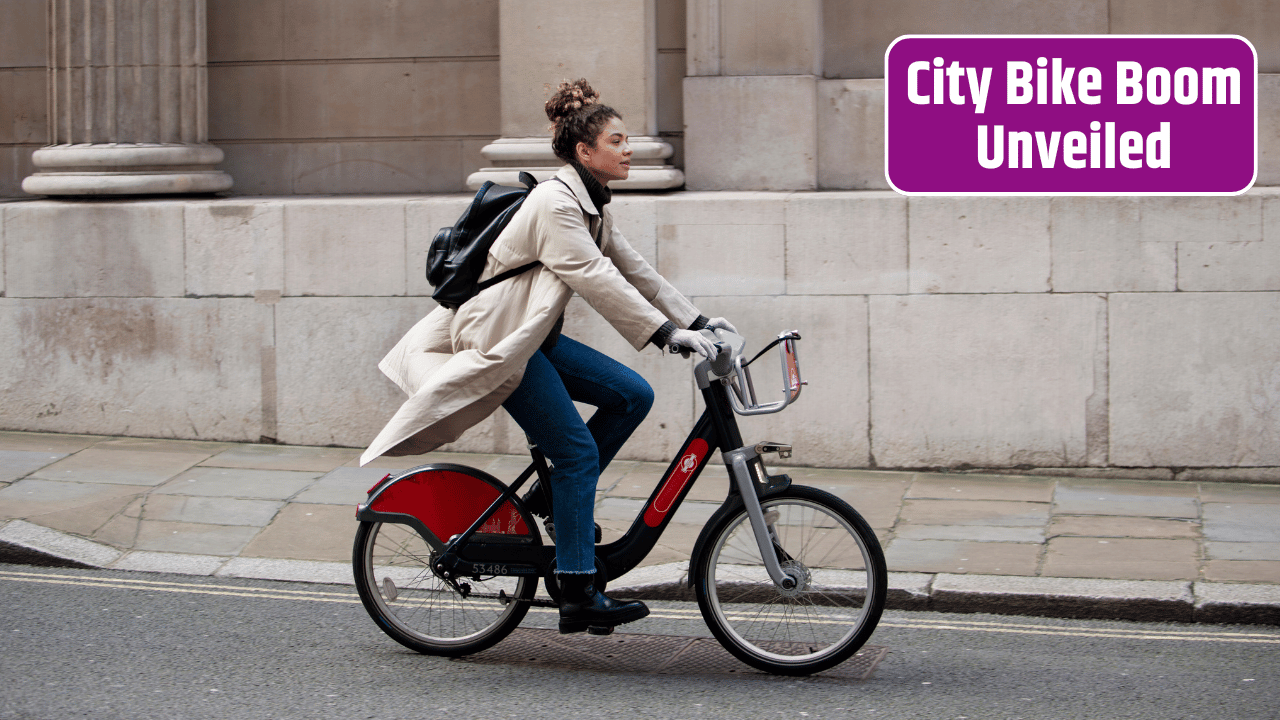
On a brisk fall morning, city leaders cut the ribbon on what they’re calling the most ambitious cycling and pedestrian network in local history. Dozens of cyclists rolled through fresh-painted lanes, kids zipped by on scooters, and joggers tested new greenway paths. Officials hope this isn’t just about bikes—it’s about rewriting how people move through the city.
The multi-year plan, announced yesterday, will add over 120 miles of protected bike lanes, pedestrian plazas, and green corridors, connecting neighborhoods that for decades were separated by car-first design. Leaders are framing it as both a climate strategy and a public health push, saying the network will make cycling and walking not just safer, but genuinely practical for commuting.
Table of Contents
What the Network Includes
| Feature | Current System | New Additions by 2030 |
|---|---|---|
| Protected Bike Lanes | 40 miles | +85 miles |
| Greenway Trails | 15 miles | +20 miles |
| Pedestrian Plazas | 5 public spaces | +18 plazas |
| Bike Parking Hubs | 2,000 spaces | +6,500 spaces |
| Citywide Connectivity | Patchy, fragmented | Fully linked network |

Officials say the network is designed with “8 to 80” accessibility—meaning safe enough for an 8-year-old and comfortable enough for an 80-year-old.
Why Now?
Traffic congestion, rising fuel costs, and climate targets are pushing cities across the U.S. to rethink transportation. The U.S. Department of Transportation has tied billions in federal funding to sustainable mobility projects, while the Environmental Protection Agency highlights active transportation as a key tool for reducing greenhouse gas emissions.
Locally, cycling has surged since the pandemic, with ridership up nearly 35% over pre-2020 levels. Planners say the city must keep pace—or risk backsliding into car-dominated gridlock.
Community Buzz—Both Cheers and Jeers

The reaction on the ground has been loud. Bike advocates are jubilant, calling it a “game changer” for safety and accessibility. Parents welcome safer routes for kids biking to school. But not everyone’s on board. Some business owners worry about losing parking spots, while drivers grumble about narrower car lanes.
“I get it—bikes are great,” said one commuter stuck in traffic near a new lane. “But if you’re cutting road space without fixing traffic flow, it’s just more headaches.”
Economic and Health Upsides
Officials counter that the long-term benefits outweigh short-term disruption. A recent city study projected the network could generate $200 million annually in health and economic savings—from reduced accidents to higher retail sales in walkable corridors. Studies from the Centers for Disease Control and Prevention support these claims, linking active transportation to lower healthcare costs and improved quality of life.

Some viral posts have claimed “all downtown car lanes will be eliminated.” That’s false. While some corridors are being rebalanced to add protected bike and pedestrian space, cars remain central to the city’s transportation mix. The plan expands options; it doesn’t ban cars.
FAQs
How long will construction take?
The network will be built in phases through 2030, with the first 40 miles completed by 2026.
Who’s funding the project?
A mix of city funds, state grants, and federal infrastructure dollars.
Will bike lanes be protected or just painted?
The majority will be fully protected with curbs, bollards, or planters.