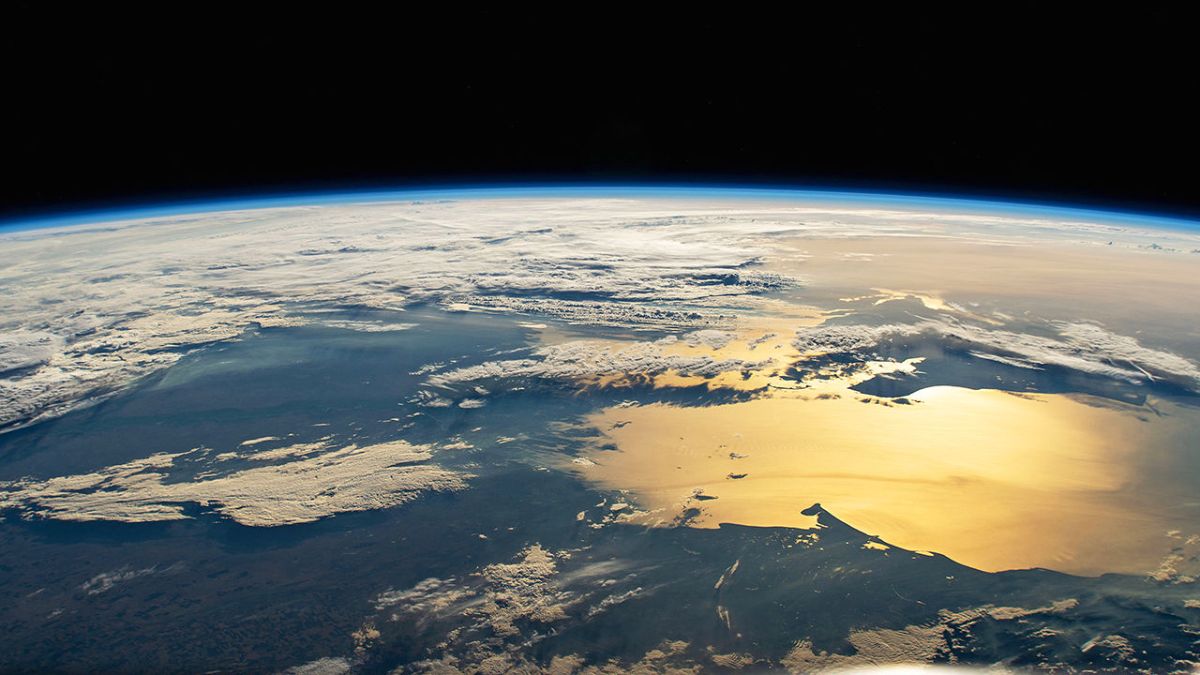
Imagine being able to dim the Sun just a little to cool the planet down. Sounds like sci-fi, right? But that’s essentially what artificial cooling is trying to do. Scientists have proposed spraying tiny reflective particles high up into the atmosphere to bounce some sunlight back into space. The idea is to reduce the amount of heat reaching Earth and slow down global warming.
But while it may sound clever, science says we’re just not ready yet. Let’s break down how artificial cooling actually works and why experts warn it might do more harm than good.
Table of Contents
Concept

The foundation of this idea isn’t new—it comes straight from nature. When large volcanoes erupt, they shoot massive amounts of ash and particles into the sky. These particles float around in the upper atmosphere and reflect sunlight, which causes temporary cooling on a global scale.
This got scientists thinking: if volcanoes can cool the Earth by accident, maybe we can do it on purpose. Using advanced computer simulations, researchers tested the theory. On screen, it works. In reality? That’s a different story.
Limitations
Computer models are great for testing ideas, but they’re not perfect. In simulations, scientists can control every variable—the size of the particles, their distribution, and where exactly they land in the atmosphere. But the real world doesn’t play along so nicely.

In practice, these tiny particles might not stay suspended long enough. They could clump together, fall too quickly, or scatter unevenly. All these factors can reduce the intended cooling effect, making it unpredictable at best.
Politics
Here’s another problem: coordination. To make this technique work safely, the whole planet would need to be on the same page. Ideally, one global body would regulate the when, where, and how of spraying these particles.
But let’s be honest, getting every country to agree on climate strategy is already a struggle. Imagine trying to get them to coordinate atmospheric engineering. If just one country goes rogue or gets the math wrong, it could lead to climate chaos—cooling some regions while warming others unexpectedly.
Materials
You also need the right materials for the job. Some of the most effective options—like diamond dust or zircon—are rare and expensive. Others like sulfur or lime are more available but would still be needed in enormous quantities every year. We’re talking millions of tons annually, which could strain global supply chains.
And there’s another catch. The smaller the particle, the better it reflects sunlight. But these ultra-small particles also like to clump together, which reduces their surface area and, in turn, their cooling power.
Hazards
Then there’s the issue of unintended consequences. Releasing foreign particles into the upper atmosphere could shift weather patterns, especially in sensitive regions like the Arctic. There’s also the risk of damaging the ozone layer—the invisible shield that protects us from the Sun’s most harmful rays.
Even worse, if we ever stopped this cooling method abruptly, the planet could experience a rebound warming effect. Temperatures might spike faster than before, leaving ecosystems and humans unprepared.
Feasibility
So, are we ready to hit the thermostat on planet Earth? Not quite. While artificial cooling sounds promising on paper, in practice, it’s filled with technical, political, and environmental landmines. According to the Columbia University study led by Miranda Hack and V. Faye McNeill, the risks currently outweigh the potential benefits.
Instead of trying to play planetary handyman with tools we barely understand, the smarter route may be to focus on solutions that are already available—cutting emissions, improving energy efficiency, and supporting nature-based solutions like reforestation.
Until science catches up with the dream of climate control, it’s best to stick to the strategies that we know work and avoid opening a Pandora’s box in the sky.
FAQs
What is artificial cooling?
A method to cool Earth by reflecting sunlight with particles.
Why is artificial cooling risky?
It may cause unpredictable weather and harm the ozone layer.
Has this method worked in nature?
Yes, volcano eruptions have temporarily cooled Earth.
Can countries do it alone?
No, solo attempts could cause uneven climate effects.
Are better alternatives available?
Yes, like emission cuts and nature-based solutions.