
Buried deep beneath the earth of Central America lies a history that refuses to be forgotten. While civilizations like the Maya and Inca often dominate the spotlight, a recent archaeological discovery in El Salvador proves there’s still so much we don’t know about our past.
At the top of an ancient pyramid in San Isidro, archaeologists have uncovered five mysterious clay figurines—each with wide open mouths, detachable heads, and hauntingly human expressions. Were they toys? Ritual tools? Or something more powerful?
Table of Contents
Discovery

These remarkable figurines were unearthed by a team of archaeologists from the University of Warsaw. The site? A little-known but promising location called San Isidro in El Salvador. Despite the site’s limited excavation history, it’s already yielded a jaw-dropping find—figurines believed to be over 2,400 years old, dating between 410 and 380 B.C.
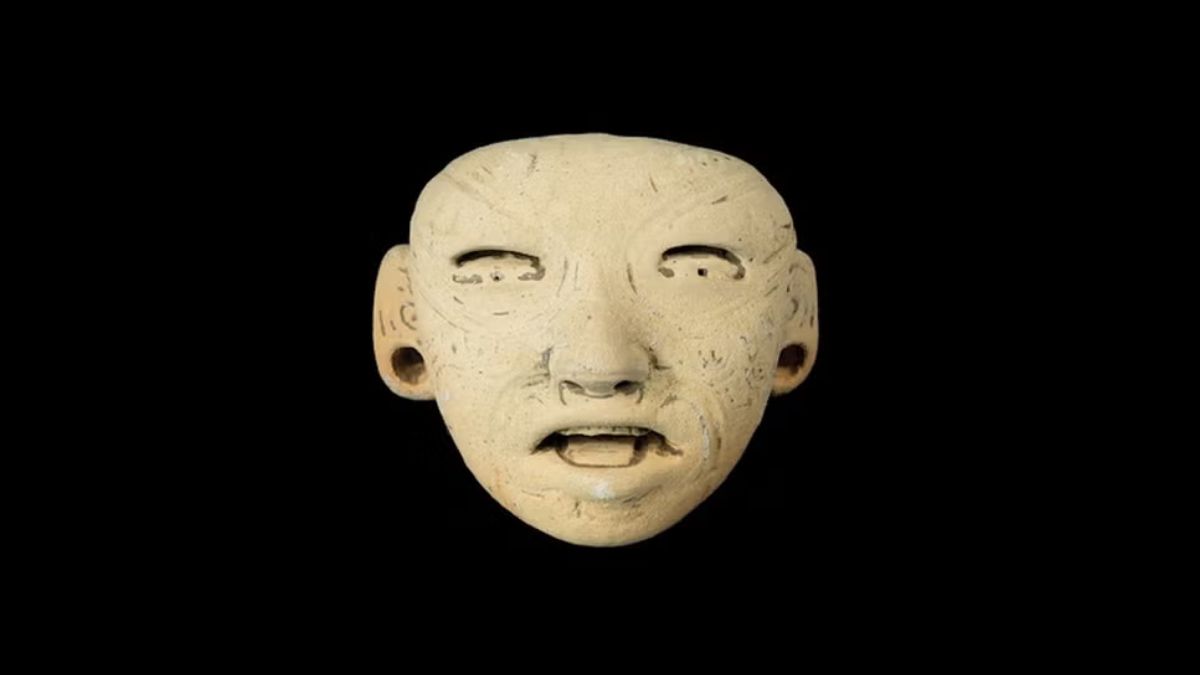
The figurines aren’t just static statues. They have tiny holes in their necks and heads, suggesting they were designed to move, possibly by string. This puppet-like function adds a layer of mystery—were they part of performances, storytelling, or sacred rituals?
Bolinas
These artifacts are called Bolinas, and only five have been discovered so far. Three stand around 30 centimeters tall, and the other two are smaller, measuring 10 and 18 centimeters. But they all have something in common—open mouths and expressive eyes that make it feel like they’re mid-sentence.

Each figure has unique details—some have what appear to be facial tattoos or scars. These artistic touches suggest more than play—they could have represented specific characters, spirits, or even deities in rituals.
Symbolism
While they resemble dolls, experts believe these were not meant for children’s games. Researcher Jan Szymański explains that in Mesoamerican culture, recreating something through sculpture or performance was a way of creating reality. It wasn’t just symbolic—it was spiritual.
So if a leader had a sculpture made, it wasn’t just his image—it was part of his very being. These figurines may have served the same purpose, acting as vessels for myth, memory, or divine presence.
Design

Their construction supports this idea. The figurines are articulated, meaning their heads could move thanks to the holes in their necks and skulls. They likely had cords that allowed for motion, making them animated in ritual settings.
When viewed from different angles, their expressions seem to shift. It’s as if they were designed to “speak” or perform when manipulated. According to researchers, this gives the impression that they were telling stories or perhaps conveying messages from the gods.
Here’s a breakdown of the figurines discovered:
| Figurine | Size (cm) | Gender | Special Features |
|---|---|---|---|
| 1 | 30 | Female | Tattoos, articulated joints |
| 2 | 30 | Female | Expressive features |
| 3 | 30 | Female | Facial scars, movable head |
| 4 | 18 | Female | Smaller, open mouth design |
| 5 | 10 | Male | First of its kind, unique face |
SanIsidro
San Isidro is still largely unexplored, but it holds major promise. Built with earth structures, the site includes a pyramid—where these figurines were found buried together at the top. That alone suggests their importance.
The discovery of the first male figurine of this kind adds another layer of intrigue. Until now, all known figures of this style were female. Could this reflect a narrative tradition involving multiple characters? Possibly a form of ritual storytelling passed down without the use of written language?
Challenges
El Salvador’s rich pre-Columbian history has often been overshadowed by larger nations like Mexico or Peru. Volcanic eruptions have buried many ancient sites under thick layers of ash, and modern development has made excavation difficult.
But discoveries like the Bolinas figurines offer rare glimpses into the spiritual and artistic life of ancient communities. These aren’t just objects—they’re expressions of identity, belief, and communication. They help us know how people shared stories, passed down knowledge, and connected with the divine, even without writing.
Each artifact is a voice from the past, reminding us that sometimes, clay speaks louder than words.
FAQs
What are Bolinas?
Clay figurines with movable heads found in El Salvador.
How old are the figurines?
They date from between 410 and 380 B.C.
Where were they found?
Atop a pyramid at the San Isidro site in El Salvador.
What were the figures used for?
Likely rituals or myth reenactments, not toys.
Why is this discovery important?
It reveals new cultural practices of pre-Columbian people.