Nature just dropped a glittering surprise: gold can be found in trees—yes, real gold, not metaphorical. In Finland, researchers have discovered that fir trees can actually accumulate gold in their needles.
It’s not some sci-fi movie plot or Christmas fairy tale, but the result of a fascinating process involving invisible bacteria and natural chemistry. And while it won’t make you rich overnight, this finding might just change the future of mining as we know it.
Table of Contents
Discovery

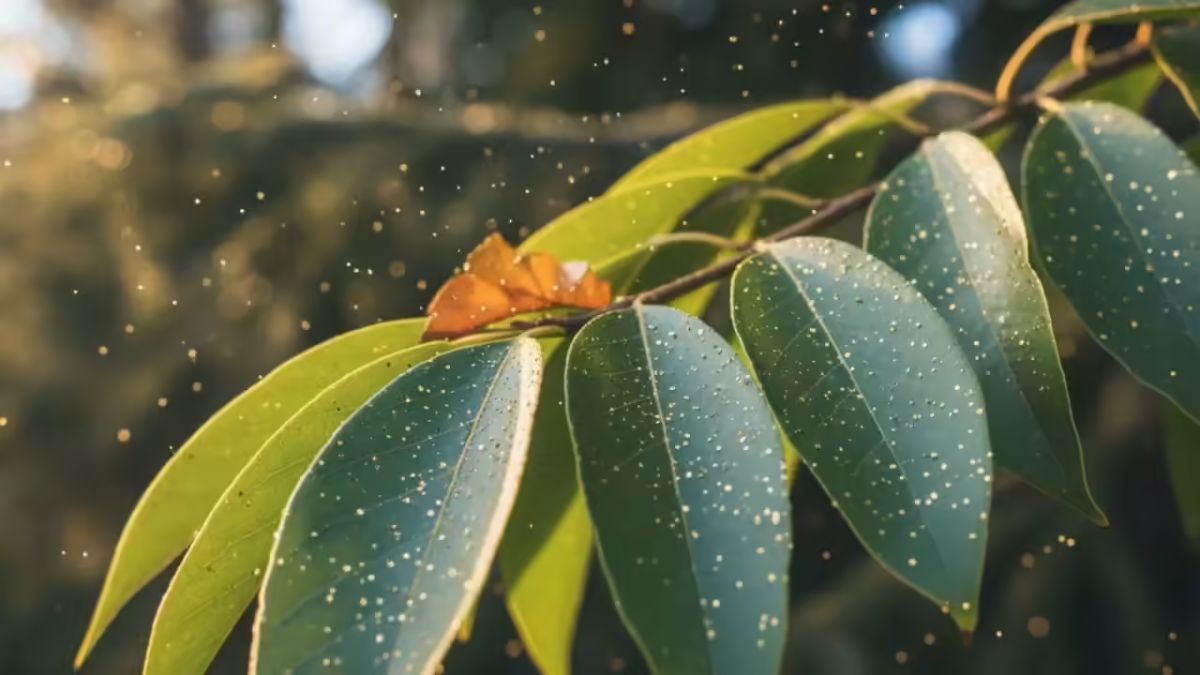
It all started near the Tiira gold deposit in Finland, where a team from the University of Oulu and the Geological Survey of Finland collected samples from 23 red spruces. To their surprise, four of these trees had actual gold in their needles—not on the surface but inside the tissue. Tiny particles of gold, quietly sitting inside the leaves, surrounded by microbial communities living their best microscopic lives.
This wasn’t a lucky fluke. The researchers realized that certain bacteria were responsible for pulling dissolved gold from the soil and helping the trees absorb it. These microbes weren’t just tagging along for the ride—they were performing biochemical magic known as biomineralization, transforming invisible gold into solid nanoparticles.
Microbes
So, who are these microscopic gold couriers? The team identified several key players: Cutibacterium, Corynebacterium, and a mysterious member of the P3OB-42 group. These bacteria live in and around the roots and inner tissues of the trees. As water moves through the soil, carrying dissolved gold, these microbes jump into action. They convert the dissolved gold into solid form, which the tree then transports to its leaves.

It’s basically nature’s version of gold refining, happening right inside the tree, no furnace required. The amount of gold? A humble 0.02 cents per tree. So no, planting a fir tree farm isn’t your ticket to early retirement—but it’s a big win for science.
Alchemy
Let’s break this down simply:
- The soil contains tiny amounts of gold, often dissolved in groundwater.
- Trees absorb this water through their roots.
- The bacteria living in the trees act as biological goldsmiths.
- They convert dissolved gold into nanoparticles.
- These particles accumulate in the leaves and branches.
It’s like a microscopic treasure hunt, except the map is drawn by nature.
Insight
What’s exciting here isn’t the gold itself—it’s the potential this opens up. Until now, finding gold meant drilling, digging, and often damaging ecosystems. But if trees can act as natural sensors, quietly telling us what’s under the ground, then maybe the future of mining is a lot greener and cleaner than we imagined.
Think about it: a forest could double as a geological map. By analyzing the leaves of trees, scientists might pinpoint gold deposits underground without disturbing the landscape. No explosions, no bulldozers—just clever science and patient observation.
Here’s a quick comparison of traditional vs tree-based exploration:
| Aspect | Traditional Mining | Tree-Based Detection |
|---|---|---|
| Environmental Impact | High (deforestation, drilling) | Low (non-invasive sampling) |
| Cost | Expensive machinery | Lower sampling costs |
| Speed | Fast but destructive | Slower, more sustainable |
| Accuracy | Variable | Depends on microbial presence |
Potential
This idea combines a bunch of scientific fields:
- Microbiology to understand the bacteria
- Geology to trace gold underground
- Ecology to study tree interactions
- Nanotechnology to examine the particles
It’s not just one breakthrough—it’s a bridge between disciplines. And that’s often where the most interesting discoveries come from.
Shift
Imagine future geologists walking through a forest with a scanner that detects gold inside leaves. No holes, no noise, just data. That’s the dream. This method could reduce environmental damage, cut prospecting costs, and maybe even set a new standard for how we explore the earth’s resources.
It may sound like a fairy tale—gold-bearing Christmas trees—but it’s backed by real science. Nature just proved once again that it’s got a few tricks up its sleeve, and sometimes, the answers to our biggest challenges are already growing all around us.
FAQs
How do fir trees get gold?
Microbes in the tree convert dissolved gold into particles.
Is the gold visible in the leaves?
No, it’s microscopic and inside the leaf tissue.
Can we mine gold from trees?
Not profitably—each tree holds just 0.02 cents worth.
What bacteria are involved?
Cutibacterium, Corynebacterium, and P3OB-42 group.
What is biomineralization?
It’s the process where microbes turn gold into solid form.