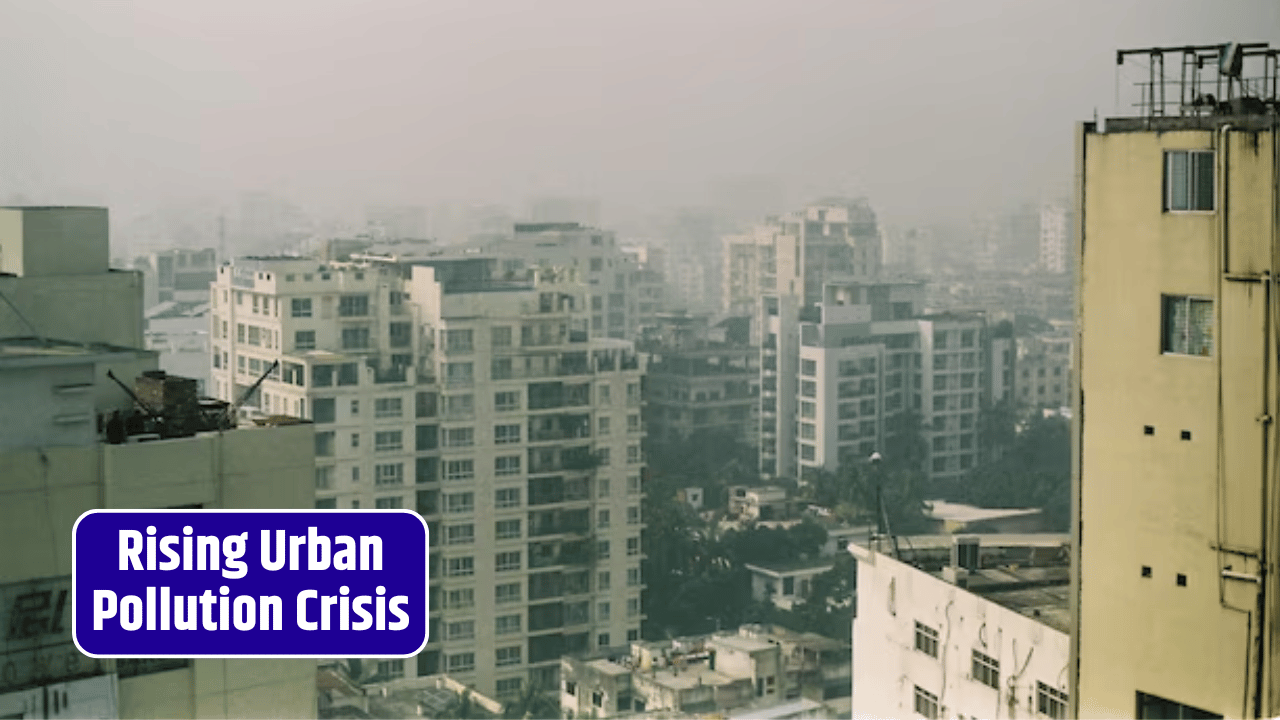
The numbers don’t lie—and they’re not pretty. A newly released regional air quality report warns that pollution levels across major urban hotspots are climbing again, reversing nearly a decade of progress. Fine particulate matter (PM2.5) and ground-level ozone are the main culprits, driven by traffic congestion, industrial growth, and hotter summers that intensify smog.
For residents, the findings are more than abstract data points. Parents worry about asthma in kids. Seniors face greater risks of heart and lung problems. And everyone’s left wondering whether their daily jog or morning commute is quietly shaving years off their lives.
Table of Contents
What the Report Found
| Pollutant Type | 2015 Levels (avg.) | 2024 Levels (avg.) | EPA Standard | Status |
|---|---|---|---|---|
| PM2.5 (fine particles) | 8.5 µg/m³ | 12.6 µg/m³ | 12 µg/m³ | Exceeding |
| Ozone (8-hour avg.) | 65 ppb | 75 ppb | 70 ppb | Exceeding |
| NO₂ (annual avg.) | 25 ppb | 28 ppb | 53 ppb | Within |
| CO (8-hour avg.) | 1.2 ppm | 1.4 ppm | 9 ppm | Within |

Two hotspots stood out in the report: congested highway corridors slicing through urban centers and industrial zones ringing suburbs. Officials noted that wildfire smoke drifting from neighboring states has also worsened seasonal spikes.
Why the Spike?
Experts point to a mix of factors. Pandemic-era declines in traffic and emissions have vanished as commuters flood back onto roads. Industrial expansion has boosted freight traffic, while hotter summers—documented by the National Oceanic and Atmospheric Administration—are amplifying ground-level ozone. The Environmental Protection Agency recently tightened air quality standards, making violations more glaring.
Public Health on the Line
The Centers for Disease Control and Prevention links long-term PM2.5 exposure to higher risks of asthma, lung cancer, and cardiovascular disease. In some neighborhoods, childhood asthma rates are already twice the national average. Public health advocates argue the report should be a wake-up call for stronger enforcement and quicker investments in green transit and clean energy.

One pediatrician put it bluntly: “Every day we delay action is another day kids breathe dirty air their lungs can’t afford.”
Reactions From the Ground
Residents are split between alarm and fatigue. Environmental groups demand immediate crackdowns on industrial polluters, while business leaders caution that stricter regulations could slow economic recovery. Commuters grumble about traffic solutions that never seem to stick. Meanwhile, homeowners in hotspot zones worry that worsening air quality could drag down property values.
Next Steps
Regional councils say they’re reviewing options: congestion pricing for downtown corridors, expanded electric bus fleets, and tougher industrial permitting. Federal funding through the Inflation Reduction Act could help bankroll upgrades, but local politics may determine how fast change comes.

Some viral posts have claimed the report proves “the air is unsafe everywhere.” Not accurate. The exceedances are concentrated in specific hotspots; many suburban and rural areas still meet federal standards. But the trend line region-wide is cause for concern.
FAQs
What pollutants are most concerning right now?
Fine particulate matter (PM2.5) and ozone, both of which have been shown to cause respiratory and cardiovascular harm.
Who is most at risk?
Children, seniors, and people with pre-existing health conditions.
How does weather affect air pollution?
Heat and sunlight intensify ozone formation, while stagnant air traps particulates closer to the ground.
What can individuals do to protect themselves?
Check daily air quality alerts, limit outdoor activity on bad days, and consider air purifiers indoors.
What’s being done at the policy level?
Officials are weighing stricter emissions standards, expanded public transit, and incentives for electric vehicles.