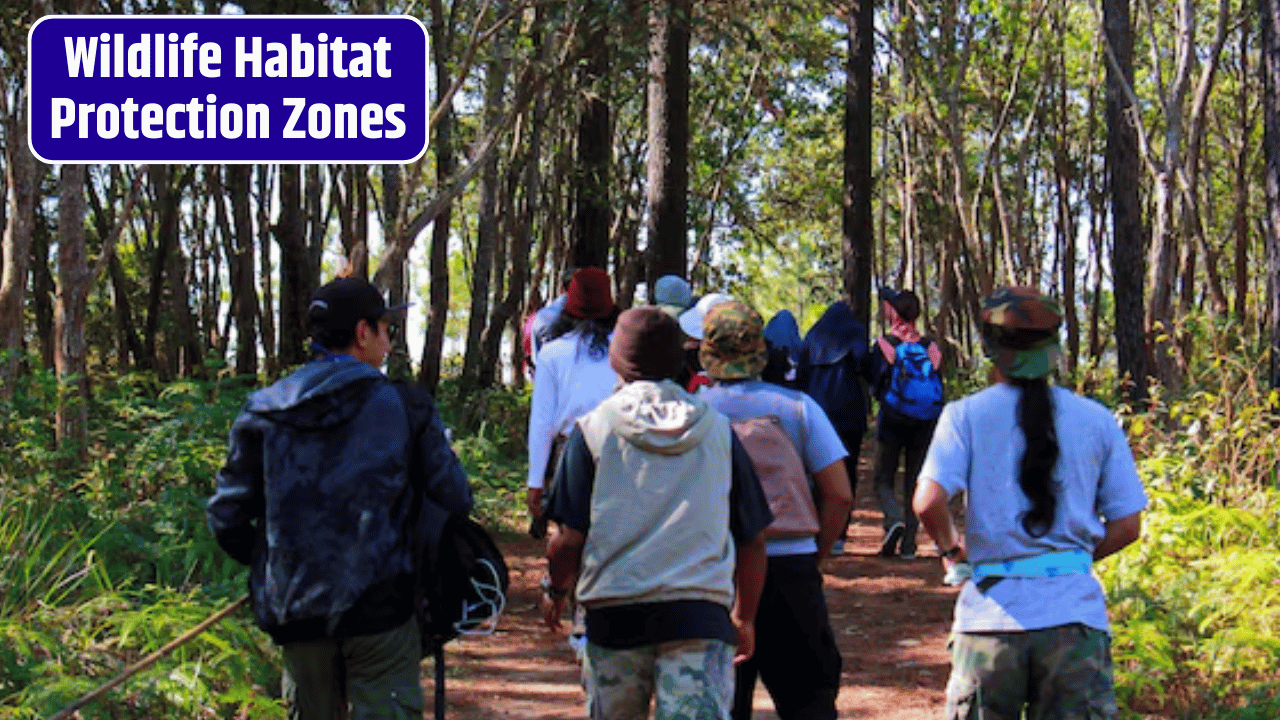
The announcement felt more like a victory lap for nature than a press conference. Regional officials this week designated new habitat protection zones aimed at safeguarding endangered species whose populations have been in free fall. The zones—stretching across wetlands, forests, and coastal areas—are being framed as a decisive win for wildlife at a time when development pressure has been threatening to erase critical ecosystems.
“This is about drawing a line in the sand,” one conservation officer told me. “If we don’t protect these habitats now, we may not get a second chance.”
Table of Contents
What’s Being Protected

The zones cover nearly 75,000 acres across multiple counties. Key areas include migratory bird wetlands, old-growth forests home to threatened owls, and river corridors crucial for salmon spawning.
| Species at Risk | Habitat Type | Protection Action |
|---|---|---|
| Red-cockaded Woodpecker | Longleaf pine forests | Strict logging restrictions |
| Salmon & Trout | River corridors | Water flow & pollution controls |
| Monarch Butterfly | Prairie/grasslands | Milkweed planting, pesticide limits |
| Sea Turtles | Coastal beaches | Seasonal development moratoriums |
The plan involves both public land set-asides and private land conservation easements, with federal agencies like the U.S. Fish & Wildlife Service and Environmental Protection Agency backing the effort.
Why Now?
Scientists warn the clock is ticking. The U.S. Geological Survey has documented rapid habitat loss in the region, and climate change is accelerating threats. Rising seas, hotter summers, and shifting migration patterns mean some species are hanging by a thread. By locking in these protection zones, leaders hope to buy time for recovery programs to take hold.

“This isn’t just about animals,” a local biologist noted. “Healthy ecosystems filter our water, buffer floods, and support farming and fishing livelihoods.”
Local Reaction
Reactions are mixed, as always. Conservationists and outdoor enthusiasts cheered the move, calling it overdue. Developers, however, worry it will stifle growth in already tight real estate markets. Some farmers expressed concern about new land-use restrictions, though officials promised incentives and compensation for affected landowners.
One fisherman shrugged with cautious optimism: “If it means more salmon down the line, I can live with a little more regulation.”
The Economic Angle

Tourism boards are quick to highlight the upside. Wildlife refuges, birding trails, and protected coastlines are magnets for eco-tourism, a sector already worth billions nationwide. Leaders are betting that protecting nature could be as profitable as paving over it.
Social media chatter has claimed that “all private land near rivers will be seized.” That’s false. The program uses voluntary conservation easements, tax breaks, and zoning adjustments. Eminent domain is not part of the current plan.
FAQs
What exactly are habitat protection zones?
Designated areas where development and resource use are restricted to protect ecosystems critical for endangered species.
Who decides what land is included?
A mix of federal, state, and regional agencies, often with scientific studies guiding boundaries.
Will landowners lose their property?
No. In most cases, they retain ownership but face restrictions on certain activities. Compensation or tax breaks may be offered.
How long do these protections last?
Typically long-term or permanent, though zones can be reassessed every 10–20 years.