
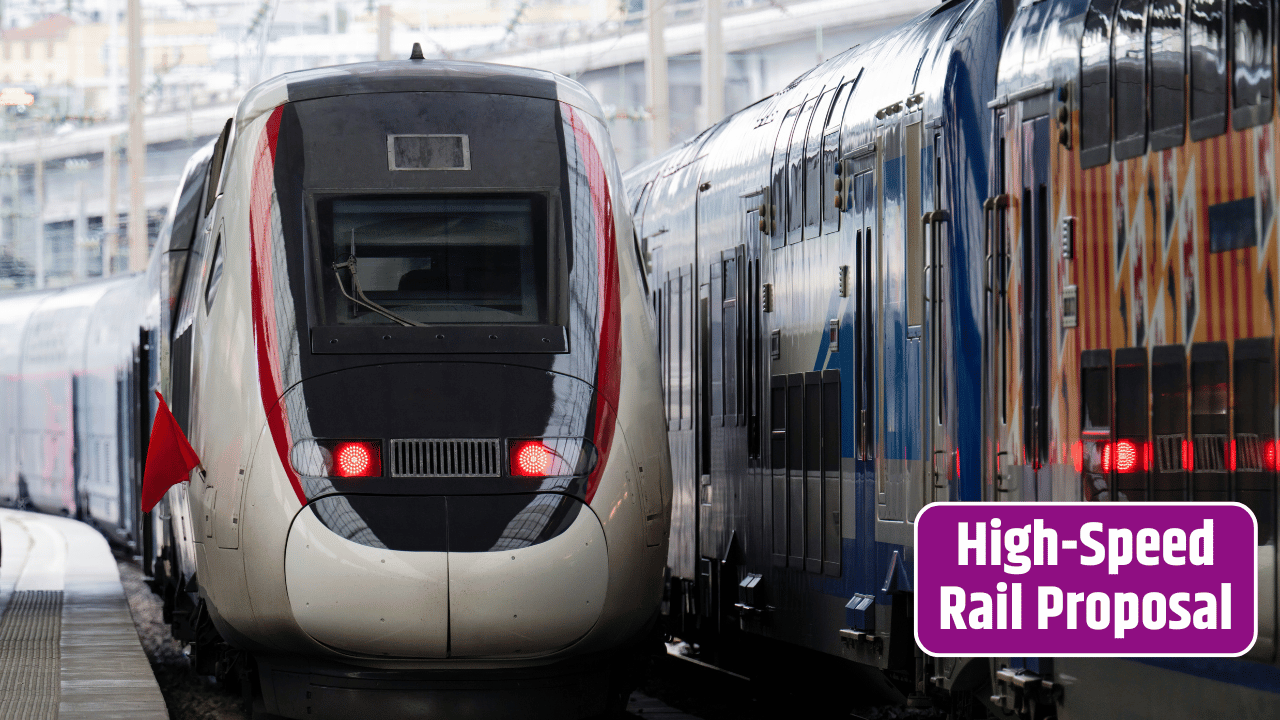
Regional leaders stood shoulder-to-shoulder yesterday with a unified message: high-speed rail is back on the table, and this time, they’re determined to make it real. After decades of studies, shelved proposals, and political gridlock, a bold new vision for a high-speed rail corridor is gaining traction—promising to link cities in under half the travel time of current options.
The mood was part excitement, part urgency. Rising traffic congestion, climate pressures, and population growth have pushed the conversation from “someday” to “why not now?” Officials are touting it as a once-in-a-generation infrastructure project, with potential to transform not just how people travel, but how entire regional economies connect.
Table of Contents
What the Proposal Looks Like

The new corridor would span roughly 280 miles, connecting major metro areas and intermediate towns. Trains would run at speeds of up to 220 mph, rivaling systems in Europe and Asia.
| Feature | Current Travel Option | Proposed High-Speed Rail |
|---|---|---|
| Total Travel Time | 4.5–5 hours by car | 1.5–2 hours by train |
| Frequency | Limited bus/air shuttles | Trains every 30–45 minutes |
| Ticket Price Estimate | $65–$85 per one-way trip | Comparable to bus/discount airfare |
| Environmental Impact | High car emissions | Zero-emission electric trains |
| Projected Ridership (2035) | — | 15–20 million passengers annually |
Planners argue this isn’t just about speed. By drawing commuters and travelers out of cars and short-haul flights, the system could cut millions of tons of carbon emissions annually—directly aligning with U.S. Department of Transportation and Federal Railroad Administration climate goals.
Funding and Political Backing
The price tag? Early estimates run between $40–45 billion. Leaders are counting on a mix of federal infrastructure funding, state bonds, and private investment. The Bipartisan Infrastructure Law carved out billions for passenger rail, giving boosters a stronger case than in years past.

Still, big money means big politics. Governors, mayors, and congressional delegations are jockeying to ensure their regions get priority. Advocates stress that the only way forward is a coalition approach. “If we fight each other, nothing gets built,” one state legislator said bluntly.
Public Reaction
On the ground, reactions are split. Young professionals and students cheer the idea of skipping weekend traffic and zipping between cities in under two hours. Business leaders see productivity gains and expanded labor markets. But skeptics worry about ballooning costs, eminent domain battles, and whether ridership will meet projections.
A local resident near the proposed route voiced concern: “I’m not against trains, but I don’t want one slicing through my backyard.” That tension—between broad regional benefits and local disruption—could make or break the project.
Lessons from Abroad

Supporters point to success stories in France, Japan, and Spain, where high-speed rail has become a backbone of economic development. Detractors counter with California’s troubled bullet train project, still years behind schedule and billions over budget. Both examples loom large in the debate.
Some viral posts have claimed the project would “ban cars on regional highways.” That’s false. The proposal focuses on adding travel options, not restricting existing ones. Highways will remain open, though leaders hope the rail line eases congestion.
FAQs
When could construction begin?
If funding and approvals align, officials say ground could break as early as 2028.
How much will tickets cost?
Projected fares are $65–$85 each way—competitive with gas and budget flights.
Who’s paying for the project?
A mix of federal grants, state contributions, and private investors.
Will it replace existing trains?
No. Regional commuter and freight lines will remain. High-speed rail is designed as a separate, complementary system.
What about rural towns along the route?
Some will get stations, others bypassed. Officials promise shuttle links and feeder services to avoid leaving communities behind.