Sometimes history knocks on your door when you least expect it. That’s exactly what happened in 1996, on the banks of the Columbia River in Kennewick, Washington. Two men stumbled upon something that would turn out to be one of the most controversial and significant archaeological discoveries in North American history: a nearly 9,000-year-old skeleton.
What followed was two decades of legal battles, scientific studies, and cultural debates—all over one man, known today as the Kennewick Man or The Ancient One.
Table of Contents
Discovery

Will Thomas and David Deacy were out enjoying a boat race and some fresh air when they saw what looked like a skull near the riverbank. Naturally curious, they got closer and realized it wasn’t just a rock—it was human. Unsure of what to do, they called the police.
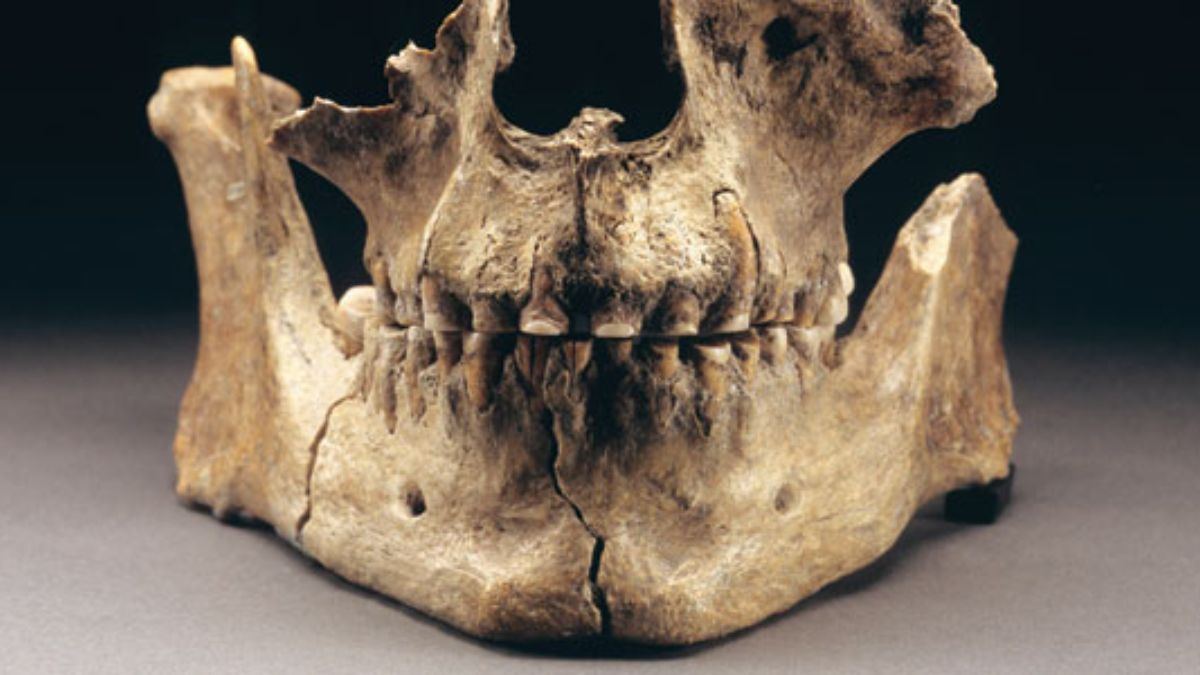
What seemed like a random discovery quickly escalated into a groundbreaking archaeological event. It wasn’t just a skull; it was nearly a full skeleton, one of the oldest and best-preserved ever found in North America.
Scientists later dated the remains to over 8,400 years old. This ancient man was soon named Kennewick Man or The Ancient One.
Identity

So, who was this ancient individual? Analysis showed he was a muscular man in his 40s, likely a coastal hunter. But the real jaw-dropper was the spear tip found embedded in his hip. He had survived a serious injury, offering a glimpse into the harsh and dangerous life of early humans in America.
Another twist? His skull shape didn’t match the features typically associated with present-day Native Americans, leading some scientists to argue he might not be one of their ancestors. That claim sparked a storm of debate.
Dispute
Native American tribes from the region, particularly those from the Pacific Northwest, insisted that the Ancient One was their ancestor. They wanted to reclaim the remains for a respectful reburial according to tribal customs.

But researchers had other plans. They believed studying the skeleton further could unlock secrets about the first inhabitants of America. This disagreement led to a bitter legal tug-of-war that involved anthropologists, the U.S. government, tribal leaders, and lawyers—and dragged on for nearly 20 years.
Genetics
The game-changer came in 2015. Thanks to advanced DNA testing, scientists finally confirmed what the tribes had been saying all along: Kennewick Man was genetically linked to modern Native American tribes of the region.
Once the DNA results were in, the debate was effectively over. Science and tradition had finally met at the same conclusion—The Ancient One belonged to the tribes.
Burial
In 2017, over 200 people gathered for a private tribal ceremony to lay Kennewick Man to rest. After nearly two decades of being stored in labs and studied under microscopes, he was finally returned to the Earth by the descendants of the people he once lived among.
It was more than just a burial—it was a moment of healing, justice, and cultural recognition.
Legacy
This story did more than solve an archaeological puzzle—it reshaped how we approach ancient remains and indigenous history. It reminded us that science should work hand-in-hand with respect for cultural traditions. Human remains aren’t just data points; they are ancestors, stories, and sacred connections to the past.
The Kennewick Man case is now a symbol of both scientific discovery and the power of indigenous voices. It teaches us that the truth doesn’t always lie in bones alone, but in the people who remember and honor those who came before.
FAQs
Who discovered the Kennewick Man?
Will Thomas and David Deacy found the remains in 1996.
How old is the Kennewick Man?
The remains are over 8,400 years old.
Why was there a legal battle?
Tribes wanted reburial, scientists wanted more study.
What proved he was Native American?
DNA testing confirmed his Native ancestry.
When was he reburied?
Kennewick Man was reburied in 2017 by local tribes.