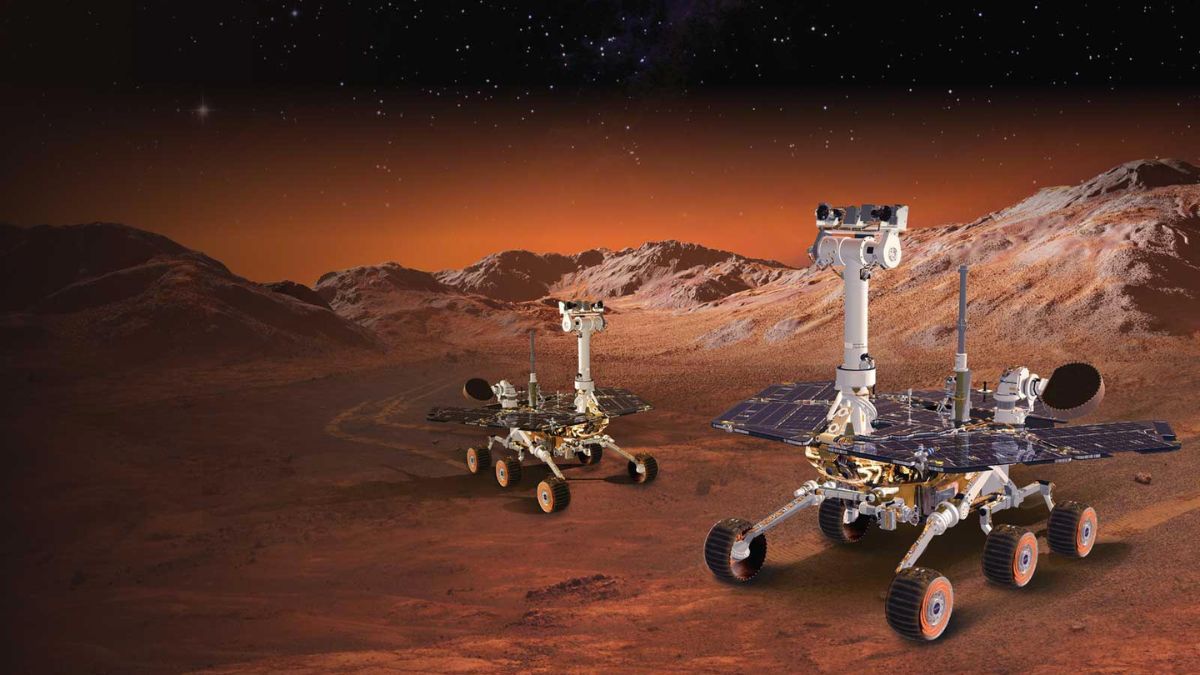
From ancient myths to sci-fi movies, Mars has always fascinated us. It’s the dusty, red neighbor next door in our solar system—and the ultimate target in humanity’s journey beyond the Moon.
With its icy underground layers, giant volcanoes, and lingering mysteries, Mars remains the subject of deep curiosity for scientists, especially NASA. While no humans have set foot there yet, the robots and rovers we’ve sent are telling a fascinating story.
So what exactly makes Mars so intriguing? Let’s cut in.
Table of Contents
Identity
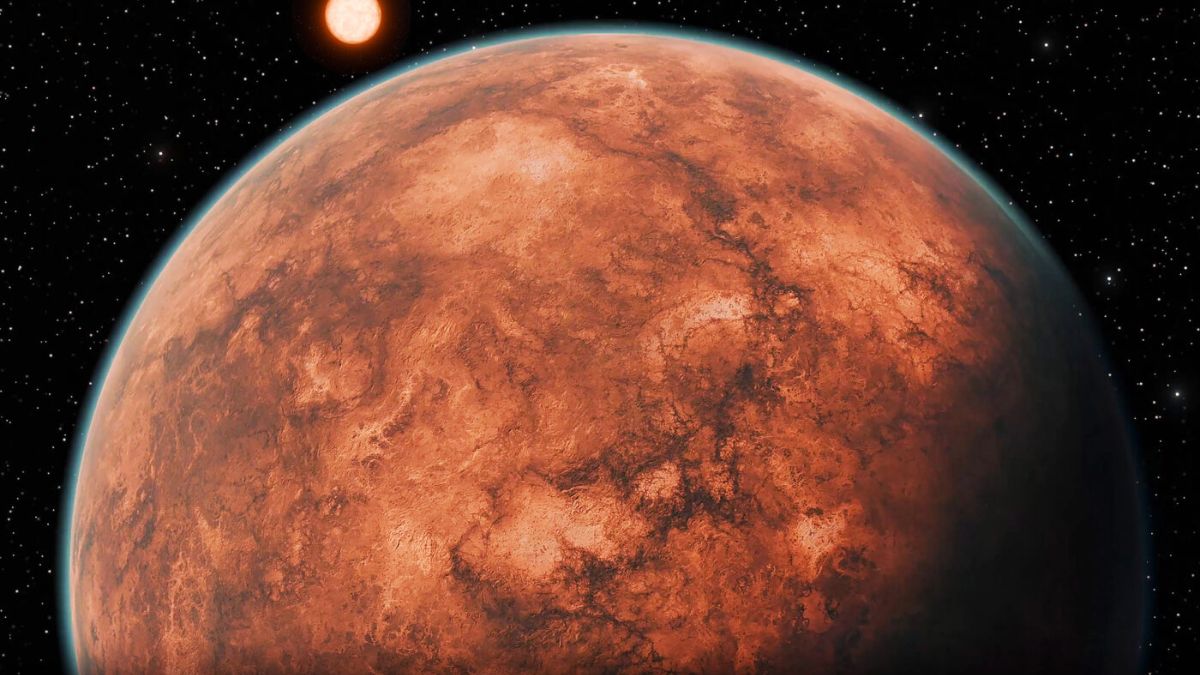
Mars gets its nickname—the Red Planet—from its rusty appearance. This red hue comes from iron oxide (basically rust) that covers much of its surface. But the name “Mars” goes back to Roman mythology, where Mars was the god of war. The Greeks called him Ares. That red color reminded them of blood and battle. Romantic, right?
But up close, Mars isn’t just red. Its surface reveals shades of brown, beige, tan, and gold—imagine a desert sprinkled with cinnamon. It’s like Earth’s mysterious twin, but colder and more rugged.
Location
Mars is the fourth planet from the Sun, sitting just beyond Earth. It’s about half the size of our planet, but still our cosmic neighbor. On clear nights, you might spot it in the sky as a glowing reddish light.
Even though Mars looks fiery, it’s actually freezing. Temperatures can go as high as 20ºC during the day but plummet to -153ºC at night. It’s dry, cold, and rocky—no place to sunbathe, for sure.
And yes, Mars has seasons just like Earth. Its axis tilts the same way, causing summer and winter, but each season lasts longer. Why? Because a year on Mars is 687 Earth days.
Water
Here’s the cool part—Mars does have water. Not flowing rivers or oceans, though. Most of it is frozen as ice beneath the surface or locked in its polar caps. Scientists think that in the past, Mars might’ve had liquid water and a more Earth-like climate. That’s why so many Mars missions focus on finding signs of past life.
Its thin atmosphere, however, makes it hard for liquid water to stay on the surface today. It just evaporates or freezes instantly. Think of it as a leaky soda can—nothing stays in for long.
Terrain
Mars isn’t just a flat desert. It has some of the most extreme landscapes in the solar system.
Here are two standouts:
| Feature | Description |
|---|---|
| Olympus Mons | Tallest volcano and mountain in the solar system (22.5 km high) |
| Valles Marineris | Canyon system that stretches 4,800 km—10 times longer than the Grand Canyon |
Its surface is dotted with craters, cliffs, dust dunes, and maybe even underground caves. Some of these formations are billions of years old. Others show signs that Mars might still be geologically active today.
Inside
Mars is built like Earth, with a layered structure:
- Core: Made of iron, nickel, and sulfur
- Mantle: Rocky and full of minerals
- Crust: Contains iron, magnesium, calcium, potassium, and aluminum
And although Mars doesn’t have a strong magnetic field today, scientists think it used to—just like Earth. There’s even evidence of “marsquakes,” which are like earthquakes but Martian-style.
Moons
Mars has two tiny moons: Phobos and Deimos. They’re oddly shaped and much smaller than Earth’s Moon. Most scientists believe they were once asteroids that Mars’ gravity captured. Cute, but creepy.
Atmosphere
Mars has an ultra-thin atmosphere, mostly made of carbon dioxide. Here’s how it compares to Earth:
| Gas | Mars (%) | Earth (%) |
|---|---|---|
| Carbon Dioxide | 95.3 | 0.04 |
| Nitrogen | 2.7 | 78 |
| Oxygen | 0.13 | 21 |
With so little air pressure, Mars can’t hold in heat or block solar radiation. That’s why its surface is riddled with impact craters and experiences wild temperature swings.
Also, let’s not forget the epic dust storms. These can last for weeks and blanket the entire planet. Imagine a global sandstorm—now that’s Mars.
Missions
NASA and other space agencies have been obsessed with Mars since the 1960s. The first mission to successfully reach it was Mariner 4 in 1964. Since then, we’ve sent a whole squad of robotic explorers.
Some of the key missions:
| Mission | Year | Contribution |
|---|---|---|
| Viking I & II | 1970s | First landers to study Martian soil and weather |
| Spirit & Opportunity | 2003 | Discovered signs of past water |
| Curiosity | 2011 | Studied geology and searched for signs of life |
| Perseverance & Ingenuity | 2020 | Collected samples and flew the first drone on another planet |
These missions have laid the groundwork for a future crewed mission—possibly between 2035 and 2045. Can you imagine humans walking on Martian soil? It might be closer than we think.
Mars isn’t just a red dot in the night sky—it’s a living science lab. From its frosty underground water to sky-high volcanoes, this planet holds clues to our own origins and the possibility of life elsewhere. And with each new mission, we get one step closer to calling it humanity’s second home. Whether it’s Elon Musk’s dreams or NASA’s plans, one thing is certain—Mars isn’t just science fiction anymore.
FAQs
Why is Mars called the Red Planet?
Because its surface is covered in iron oxide, which looks red.
Does Mars have water?
Yes, mostly as ice beneath the surface and at the poles.
What is the tallest volcano on Mars?
Olympus Mons, standing at 22.5 km tall.
Can humans live on Mars now?
Not yet, but future missions are being planned.
How cold does Mars get?
It can drop to -153°C at night or in the shade.