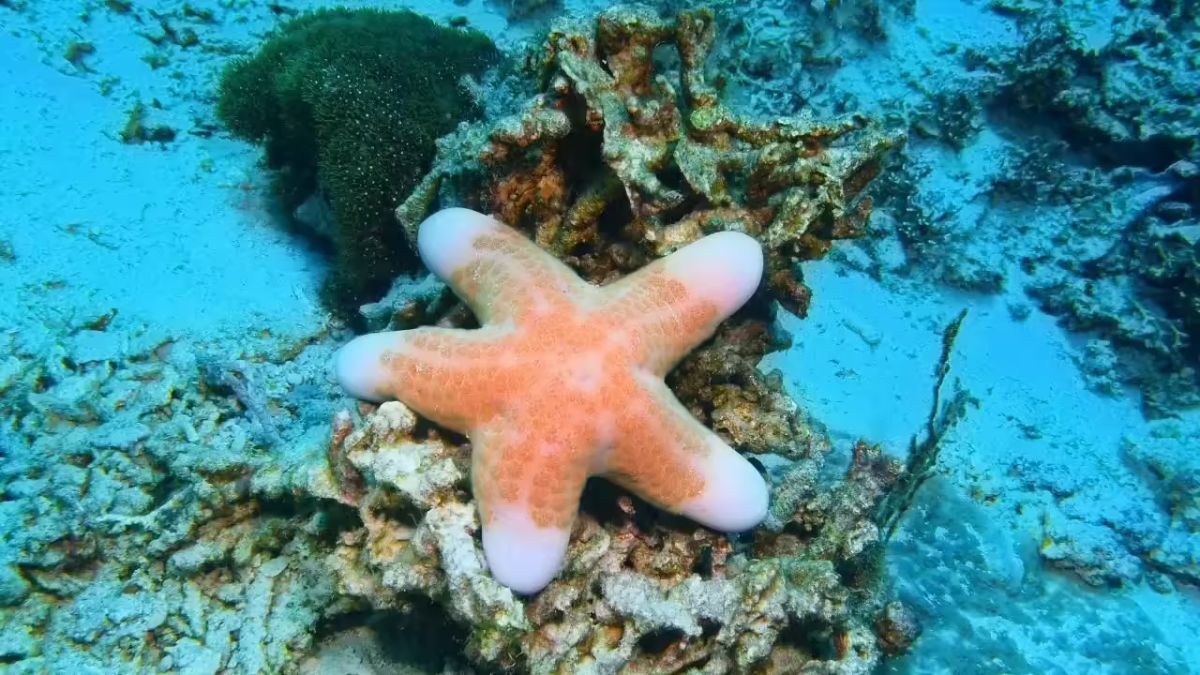
The ocean never fails to surprise us, but this time it’s truly something out of a cartoon. Deep in the South Atlantic, scientists exploring uncharted depths stumbled upon over 40 new species. But the one that’s making waves across the internet? A chubby, pinkish starfish that looks exactly like Patrick Star from SpongeBob SquarePants.
Let’s cut into what made this discovery go viral — and why it’s actually a lot more than just an underwater meme.
Table of Contents
Patrick
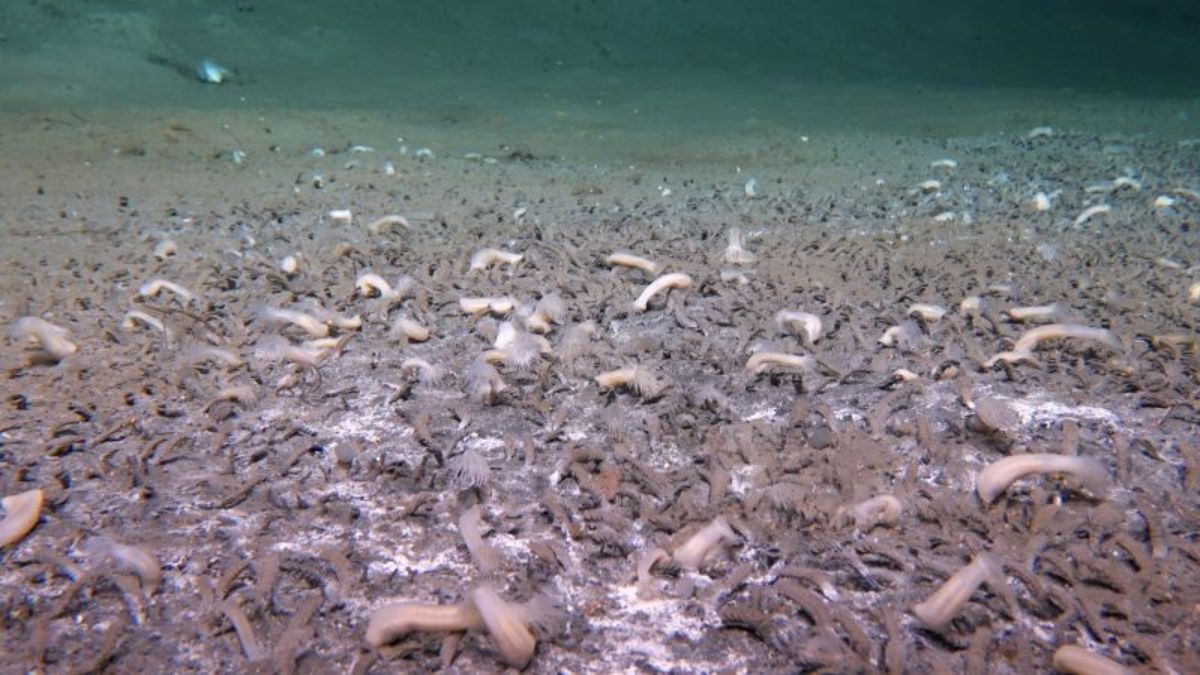
During an expedition in the Mar del Plata submarine canyon, over 4,000 meters beneath the surface, researchers sent down a robotic vehicle named SuBastian. This high-tech machine transmitted live images of the deep sea to scientists above — and what they saw shocked them.
Among the creatures crawling along the ocean floor was a rounded, stubby-armed starfish from the Hippasteria family. It had a soft, plump look that seemed oddly human… and instantly familiar. People online couldn’t help but point out the uncanny resemblance to Patrick Star. And just like that, the deep-sea Patrick went viral.
Sure, it looks funny, but scientists believe this starfish’s unique body shape might serve an evolutionary purpose. In the deep sea, where food is scarce and surfaces can be tricky, a round body might help with clinging to rocks or conserving energy.
Species

The “Patrick Starfish” may have stolen the show, but it was just one of more than 40 new species discovered during the mission. The team exploring the depths off the coast of Argentina encountered a dazzling variety of marine life:
- Carnivorous sponges with thread-like traps
- Translucent fish showing all their internal organs
- Neon-colored corals glowing in the dark
- Strange crustaceans perfectly adapted to deep-sea pressure
Each of these new species paints a picture of just how rich and mysterious the deep ocean truly is. Even where sunlight never reaches, life still thrives in wild and unexpected ways.
Hidden
The South Atlantic Ocean, especially near Argentina’s coast, remains one of the least explored areas on Earth. Why? Because reaching 4,000 meters deep is like landing on another planet.

Down there, sunlight is nonexistent, temperatures are just above freezing, and the pressure is crushing. Most living creatures would be flattened — unless they’ve evolved some pretty incredible adaptations.
Thanks to SuBastian, researchers were able to navigate this alien-like world and broadcast what they found to audiences around the globe. The result? Jaw-dropping footage of glassy corals, eerie deep-sea fish, and yes — one very camera-ready starfish.
Value
While the internet fell in love with the “Patrick” starfish, scientists are focused on what the discovery really means. Each of these new species adds valuable data to our understanding of Earth’s deep-sea ecosystems.
These creatures aren’t just weird-looking. They play critical roles in:
- Regulating the carbon cycle, which helps stabilize Earth’s climate
- Supporting the ocean food web and maintaining marine balance
- Providing new compounds that could lead to medicines or biotech innovations
In other words, the real treasure isn’t just how cool these species look — it’s what they can teach us about our planet.
Fun
Let’s be honest — science can sometimes seem serious and complicated. But then, along comes a starfish that looks like a cartoon character, and suddenly everyone’s paying attention.
That’s the magic of discoveries like this. They remind us that curiosity is powerful, and that humor and wonder go hand in hand. The more people who see this viral starfish, the more interest there is in deep-sea science and conservation.
And the more we care, the more likely we are to protect these unknown parts of our world.
There’s still so much ocean left unexplored. And as this mission showed, the Earth still has plenty of wild surprises left in store — not just in outer space, but right here beneath the waves.
FAQs
Where was the starfish found?
In the Mar del Plata canyon, 4,000 meters deep.
Why does it look like Patrick Star?
Its rounded shape and short arms resemble the cartoon.
Is the starfish a new species?
It belongs to the Hippasteria family, newly observed in this form.
What else was discovered?
Over 40 new species like sponges, fish, corals, and crustaceans.
Why is this discovery important?
It helps scientists understand deep-sea ecosystems and biodiversity.