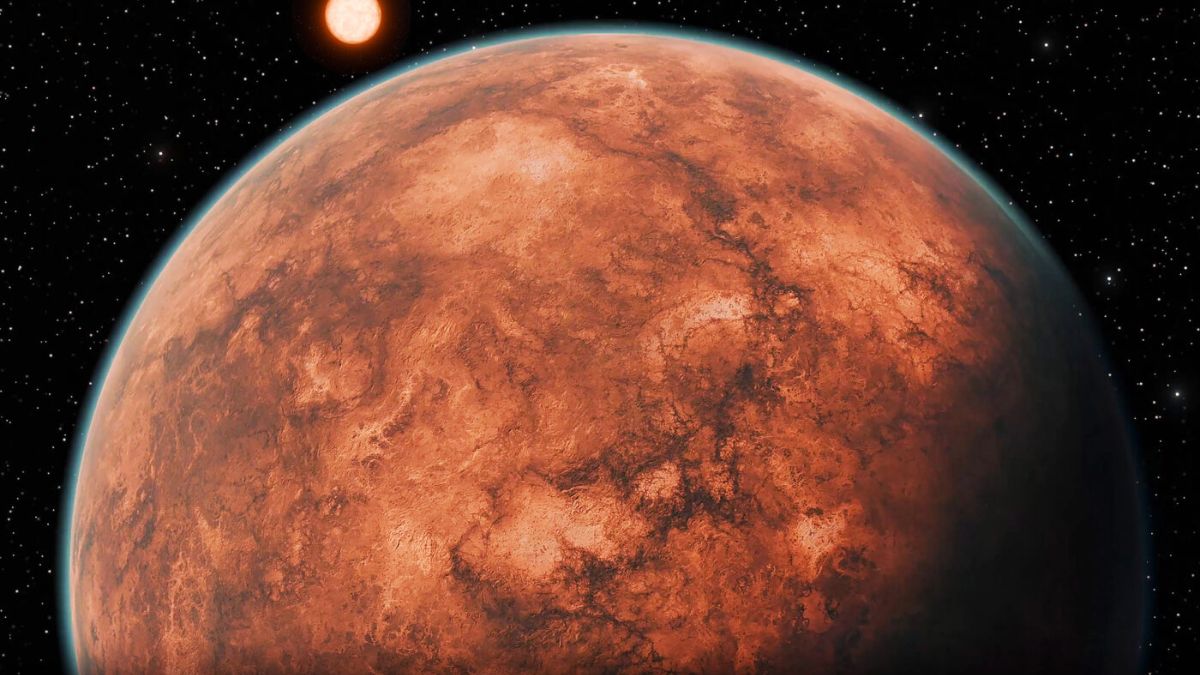
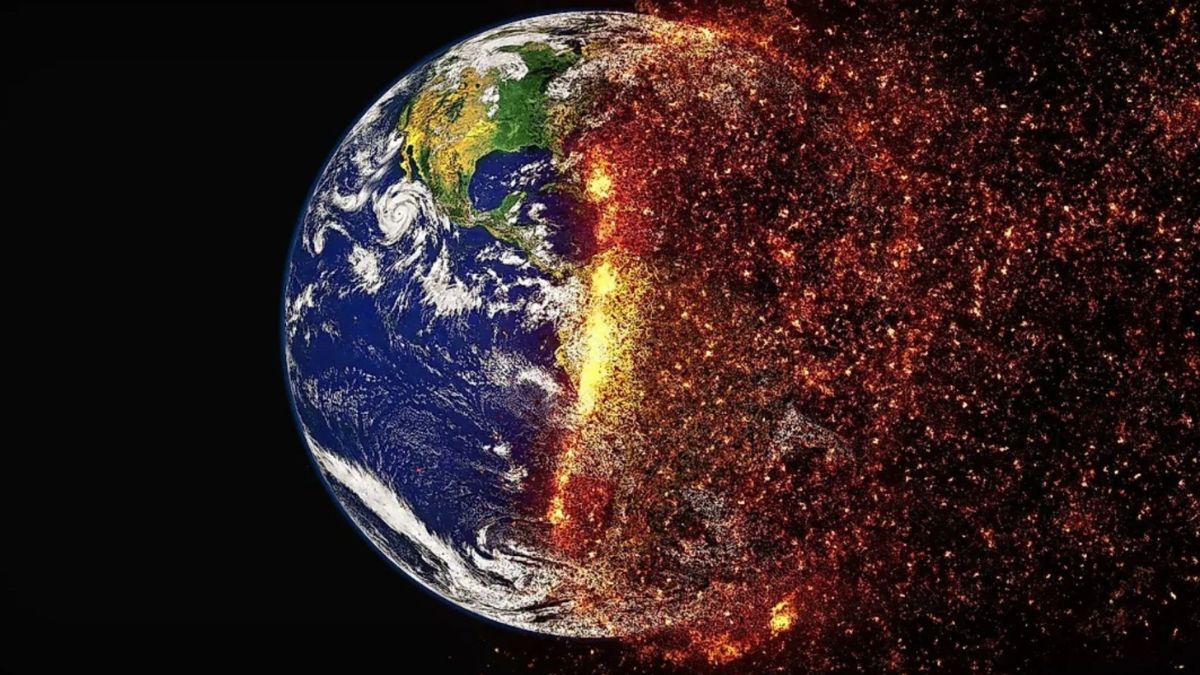
What if you knew when Earth would stop being Earth as we know it? Sounds like the plot of a sci-fi movie, right? But this time, it’s coming from NASA’s own supercomputer – and don’t worry, you’re not on the guest list for the end of the world.
It turns out, our blue planet still has a long way to go, even if the finish line is now more predictable. Spoiler alert: it’s not tomorrow, next year, or even in your great-great-great-grandchild’s lifetime.
Table of Contents
Timeline
NASA, in collaboration with University College London, ran over 400,000 simulations using its advanced supercomputer. The goal? To understand how Earth’s atmosphere and surface will evolve in the distant future. Based on these simulations, they’ve concluded that Earth, as a life-supporting planet, has around five billion years left before it becomes uninhabitable.
By then, the Earth won’t explode or be destroyed by a cosmic event. Instead, it will gradually transform due to the Sun aging and increasing in brightness. This slow heating process will eventually make our planet too hot to support oceans – and without oceans, life simply can’t exist.
Sun
The star of the show – literally – is the Sun. Like all stars, our Sun is going through its own life cycle. As it gets older, it burns brighter and hotter. This isn’t immediate; it happens over billions of years. But even that gradual increase in heat will change Earth forever.
Right now, we’re already seeing minor versions of this in the form of climate change. But fast forward a few billion years, and that gentle warming turns deadly. The Sun’s rays will start boiling away the oceans, leaving the surface dry, cracked, and lifeless.
Oceans
Our oceans are Earth’s life-support system. They regulate temperature, store carbon, and support millions of species. But in this future scenario, as the Sun continues to heat up, oceans won’t stand a chance. Water will evaporate, and that moisture will turn into water vapor in the atmosphere.
This vapor, in turn, traps even more heat – think of it as Earth putting on a winter coat in the middle of summer. Eventually, there’s no water left to cycle, no clouds to rain, and no seas to cool the planet. What’s left? A scorched surface.
Here’s a quick breakdown:
| Timeline | Earth’s Condition |
|---|---|
| Present Day | Increasing heat, climate shifts |
| 1 Billion Years | Oceans start evaporating |
| 3 Billion Years | Atmosphere becomes toxic |
| 5 Billion Years | Earth resembles Venus |
Atmosphere
Once water vapor becomes the main component of the atmosphere, things go downhill fast. Without oceans to absorb carbon or clouds to cool the planet, temperatures spike even further. The air becomes thick, hot, and toxic – basically, a steam room from hell. Breathing would be impossible. Rainfall stops. Plant life dies. Animal life follows.
It’s a cascade effect: oceans disappear, air quality worsens, ecosystems collapse. Earth turns from a lush green planet to a glowing, uninhabitable wasteland.
Silence
You might imagine the end of Earth as some dramatic event – meteor crashes, volcanoes, people screaming. But in reality, this transformation will be silent and slow. A quiet death. Life will fade out gradually as temperatures rise and conditions worsen.
It’s not fire and brimstone. It’s simply nature following its script.
Mars
So, what about humanity? Well, if we’re still around billions of years from now, we won’t be on Earth. Space colonization, especially Mars, is already on the agenda for the long-term future of humanity. If our species survives global conflicts, pandemics, and our own destructive habits, maybe we’ll have interstellar cities by then.
NASA’s projection doesn’t predict doom for us today. It simply reminds us that nothing lasts forever – not even our cozy little planet.
Reality
Let’s clear something up: this doomsday isn’t something we can stop. It’s part of the Sun’s life cycle. Unlike climate change, which we can influence, this scenario is unavoidable. You can recycle every plastic bottle and still won’t stop the Sun from aging.
Yes, climate change is real and urgent. But this – this five-billion-year process – is bigger than us. It’s cosmic.
Fear
Whenever NASA drops a prediction like this, people freak out. Some think it’s a distraction. Others believe it’s a hidden message about something coming sooner. But truth is, this isn’t a secret plan or a movie plot twist. It’s just science doing its job.
Knowing Earth will someday end isn’t reason to panic. It’s a reason to appreciate what we have. Life on Earth is rare. Fragile. Precious.
So maybe we should live a little better today, knowing this amazing planet has a ticking clock – even if that clock still has five billion years on it.
FAQs
When will Earth become uninhabitable?
In about 5 billion years, due to rising temperatures.
Why will the Earth heat up?
The Sun will age and get hotter over time.
Will the oceans really evaporate?
Yes, heat will turn oceans into water vapor.
Can humans stop this from happening?
No, it’s a natural stellar process beyond our control.
Is this related to climate change?
No, this is a long-term cosmic event, not human-caused.