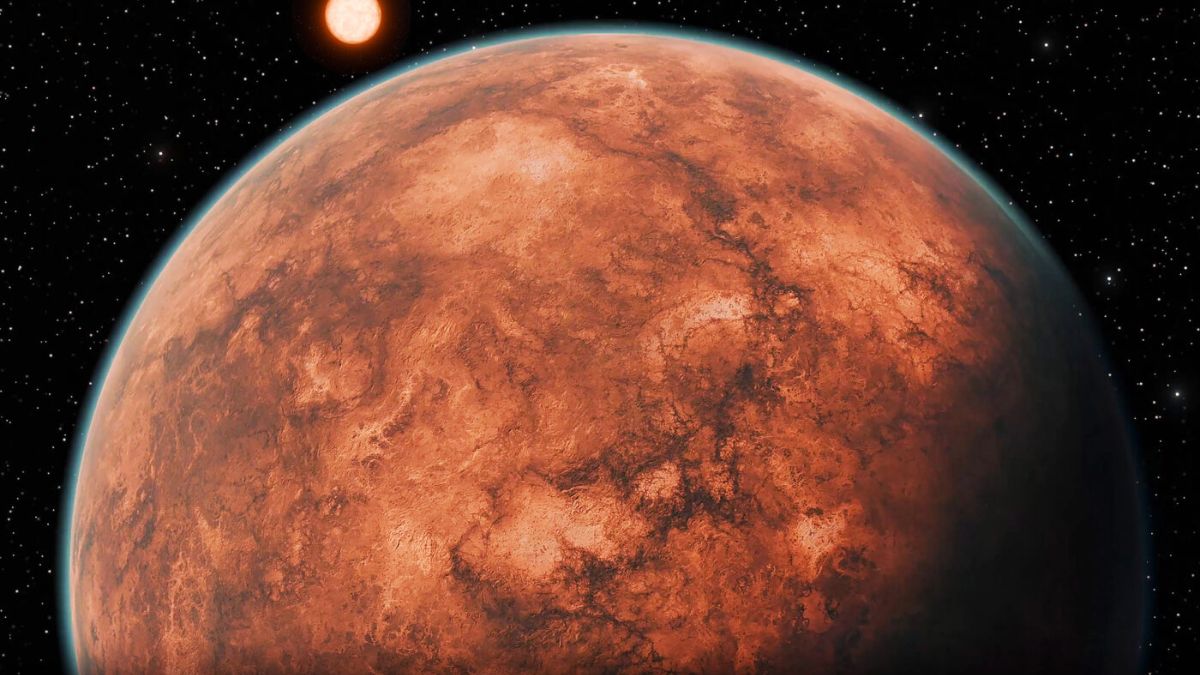
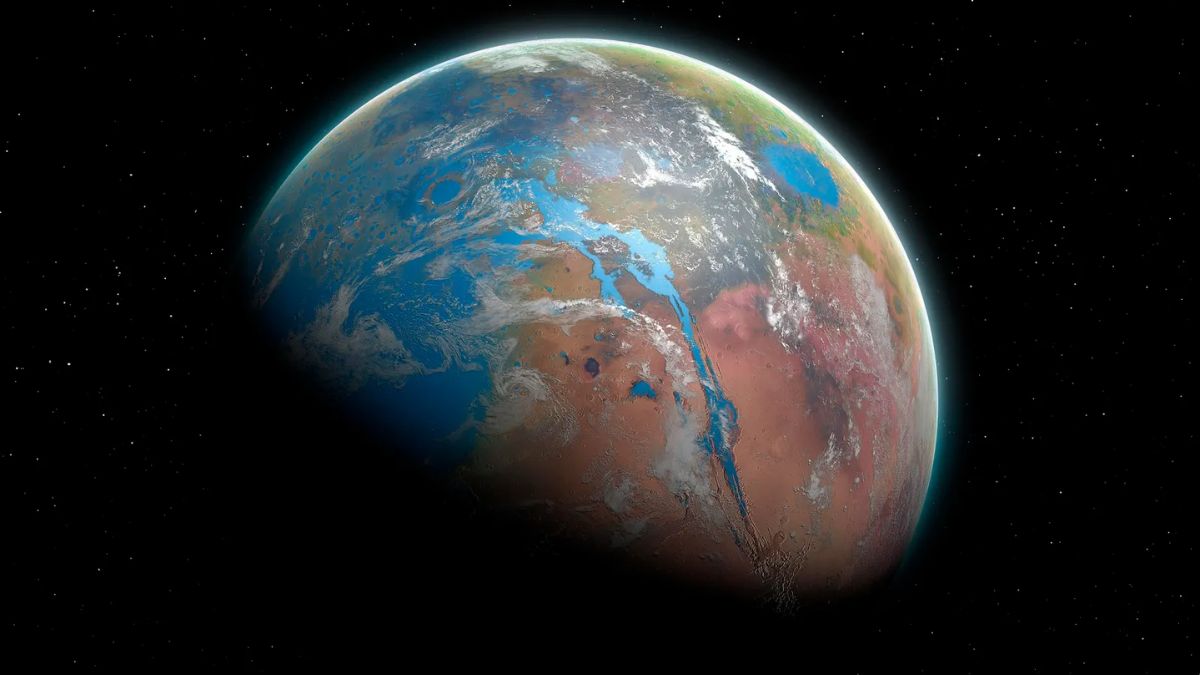
Water on Mars has always been the big mystery. If there was once water, why isn’t there life? Thanks to NASA’s Curiosity rover and a new study published in Nature, we might finally have a surprising answer: Mars didn’t just lack the right conditions—it may have actively sabotaged itself. Even though there were lakes and possibly oases, the planet went through a cycle that turned it into a dry, frozen wasteland.
Let’s cut into what this means and why it matters far beyond Mars.
Table of Contents
Mystery
For decades, the idea of life on Mars has fascinated both scientists and space fans. We’ve had endless movies, theories, and even mission goals built around the idea that where there’s water, there must be life. So when Curiosity found evidence of past lakes, rivers, and even wet mud, it looked like the dream might be real.
But here’s the twist—water wasn’t the problem. Mars had it. What it didn’t have was stability. That’s what makes this new discovery so interesting.
Discovery
The rover Curiosity has been exploring Gale Crater since 2012, digging into Mars’ rocky history layer by layer. One major finding? A surprising amount of carbonate minerals buried in the sediment. These carbonates form when liquid water and carbon dioxide mix—something that definitely requires wetter, warmer conditions.
But instead of proving Mars was habitable, this pointed to the opposite. According to Edwin S. Kite, the lead author of the study, these carbonates suggest Mars may have triggered its own climate collapse every time things started to improve.
In simple terms: the planet couldn’t hold on to the warmth and water it needed to sustain life.
Cycle
So, what actually happened? It comes down to something called a negative feedback loop—a natural self-regulating process that worked against Mars.
Here’s a breakdown of how Mars may have undone itself:
| Step | What Happened |
|---|---|
| 1 | Sunlight melted surface ice into water |
| 2 | Water reacted with CO₂, forming carbonates |
| 3 | CO₂ got locked away in rocks |
| 4 | Less CO₂ = less atmosphere = cooler temps |
| 5 | Water froze or disappeared again |
Each time Mars got a little warmer and wetter, this cycle kicked in and cooled it back down. This stopped water from sticking around long enough for life to develop.
Carbonates
Now you might be wondering—how’s this different from Earth? We have carbonates too, right? The key difference is what happens next.
On Earth, volcanoes constantly pump CO₂ back into the atmosphere. This keeps our climate somewhat balanced over time. Mars, however, lost its volcanic activity billions of years ago. So once the CO₂ got trapped in rock, it stayed there permanently.
No gas recycling meant no second chance at warmth. Over time, Mars just kept getting colder, drier, and less friendly to life.
Impacts
This new explanation doesn’t just affect how we look at Mars—it could change how we search for life everywhere else. Until now, finding water has been the gold standard for identifying potentially habitable exoplanets. But this study is throwing a wrench in that idea.
Turns out, water alone isn’t enough. A planet also needs:
- A stable climate
- Geological activity
- A long-lasting atmosphere
- Conditions that persist for millions of years
That’s a much higher bar than just “find water.” It means even planets that seem perfect on paper might still be biologically dead zones.
Future
This finding forces us to rethink what “habitable” really means. It’s no longer just about oceans and lakes. It’s about how well a planet manages its internal systems over time. That means the next generation of space missions and telescopes will need to do more than look for water—they’ll need to study the full story of each world.
Mars, in a way, is like a warning from the cosmos. It had what we thought was the key ingredient—liquid water. But without a stable environment to back it up, life didn’t stand a chance.
So, as we continue searching the stars, maybe the biggest lesson is this: water is just the beginning.
FAQs
Did Mars have water?
Yes, Curiosity found signs of past liquid water.
Why didn’t life evolve on Mars?
Mars cooled itself by trapping CO₂, cutting off stable water.
What are carbonates on Mars?
Minerals formed when water reacts with CO₂, found in Gale Crater.
Is water alone enough for life?
No, planets also need a stable climate and geological activity.
What does this mean for exoplanets?
We need to look beyond water to find truly habitable worlds.