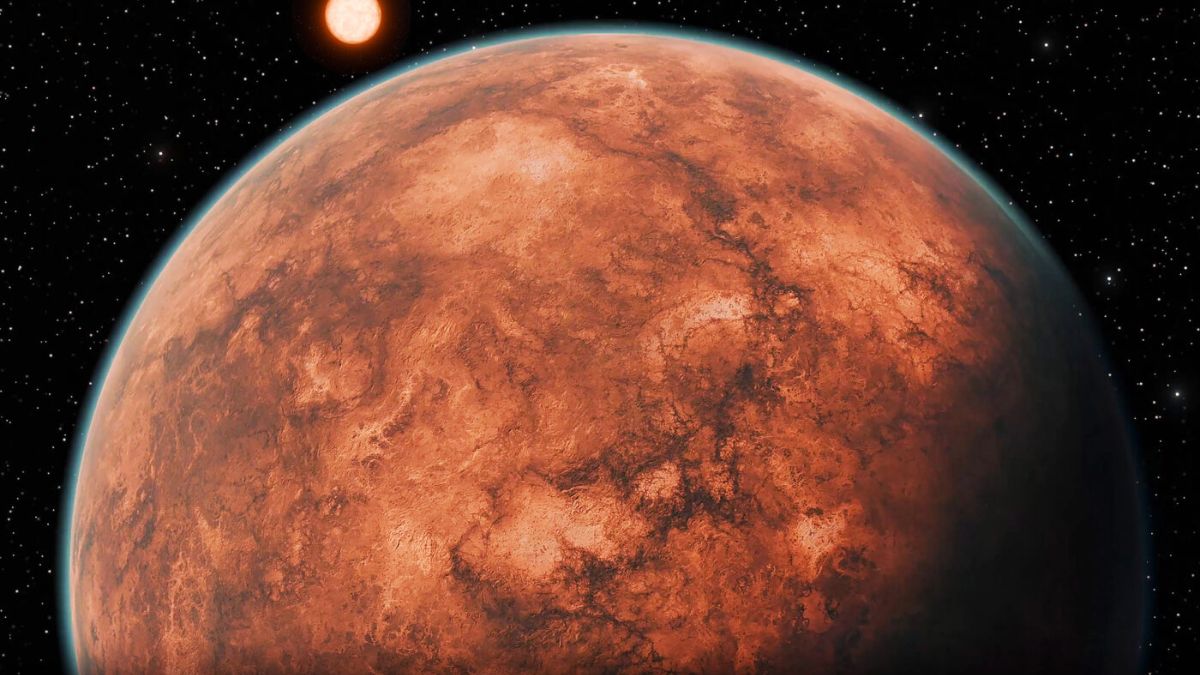
We’ve all heard it before—Mars once had water. But what if that wasn’t enough? According to a new study published in Nature, Mars may have had everything it needed for life… except the ability to hold on to it. Despite the presence of water and even brief periods where Mars looked habitable, it may have doomed itself by triggering a chemical cycle that made the planet too cold and dry for life to take hold.
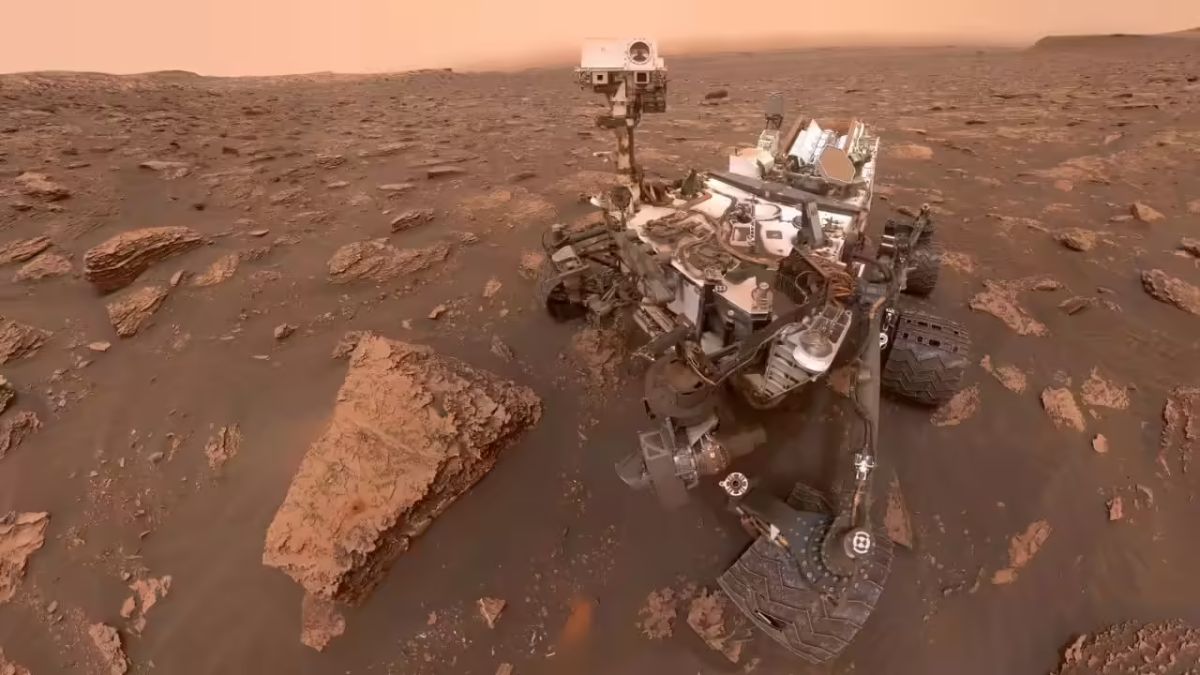
The research, led by scientist Edwin S. Kite, is turning our knowing of Martian habitability upside down. And yes—it’s all based on what NASA’s Curiosity rover found in a 3.5-billion-year-old crater.
Table of Contents
Mystery
For years, scientists have searched for life on Mars by chasing the one thing every living organism needs—water. And the search has paid off. We now know that Mars had rivers, lakes, and even oases. But something was always missing. No fossils, no microbes, no organic life. Nothing.
So why didn’t life ever get started?
Thanks to data collected by the Curiosity rover in Gale Crater, a new theory is gaining traction: Mars may have had brief windows of habitability, but every time it started to warm up and get wetter, it triggered a process that forced it right back into a deep freeze.
Discovery
The Gale Crater, which Curiosity has been exploring since 2012, has turned out to be a treasure chest of ancient Martian geology. What stood out to scientists was the unusually high concentration of carbonate minerals—rocks that form when water and carbon dioxide interact.
That sounds like good news, right? Water and CO₂ means the building blocks of life were there. But here’s the twist: those carbonates reveal a planet that removed CO₂ from its atmosphere every time conditions improved. That trapped carbon made the planet colder and drier over time.
Instead of helping life thrive, Mars shut itself down. Repeatedly.
Feedback
This self-sabotage came from something scientists call a negative feedback loop. It’s a natural process where one action cancels out another, keeping things from spiraling out of control—or, in Mars’ case, into a stable habitable state.
Here’s how it worked:
- Sunlight increased → surface ice melted → water appeared.
- Water and CO₂ interacted → carbonate rocks formed.
- CO₂ was removed from the air → temperature dropped.
- Water vanished → Mars froze again.
This cycle repeated over and over, making it impossible for conditions to remain friendly for long enough for life to take hold.
Volcanoes
On Earth, volcanoes play a crucial role in recycling carbon. They release CO₂ into the atmosphere, which helps keep our climate warm and stable over millions of years. But on Mars, there’s no active volcanism to balance things out.
So once the carbon was locked in carbonate rocks, it stayed there. And because Mars couldn’t warm up again, it lost its shot at becoming a living planet.
This also solves a long-standing mystery. Scientists have always wondered where all of Mars’ carbon went. Now we know—it didn’t fly off into space. It sank into the ground.
Implications
This discovery has huge implications, not just for Mars but for how we search for life on other planets. For years, we’ve focused on finding exoplanets with liquid water, thinking that was the magic ingredient for life.
But now we know that water alone isn’t enough.
A truly habitable planet needs:
- Liquid water
- A stable atmosphere
- Active geology (like volcanoes)
- Long-term climate stability
Mars had water but not the rest. It teaches us that planetary stability matters just as much as ingredients. A planet may look promising at first glance, but if it can’t regulate its own environment, life might never stand a chance.
Rethink
So, what does this mean going forward?
It means astronomers need to think bigger. It’s not just about spotting water or atmospheres through telescopes. We’ll need to study how planets evolve over time and how they manage—or fail—to maintain livable conditions.
Mars, in a way, is sending us a message: even with all the right pieces, life is fragile. Without balance and time, it may never get the chance to begin.
FAQs
Did Mars have water?
Yes, Mars had rivers, lakes, and even oases.
What are carbonate minerals?
They form when water and CO₂ interact on a planet’s surface.
Why didn’t life start on Mars?
Mars kept cooling itself through a carbon cycle, stopping habitability.
Is Mars still geologically active?
No, Mars lacks active volcanoes to recycle carbon like Earth.
What does this mean for exoplanets?
Water isn’t enough—planets need stable, long-term climates too.