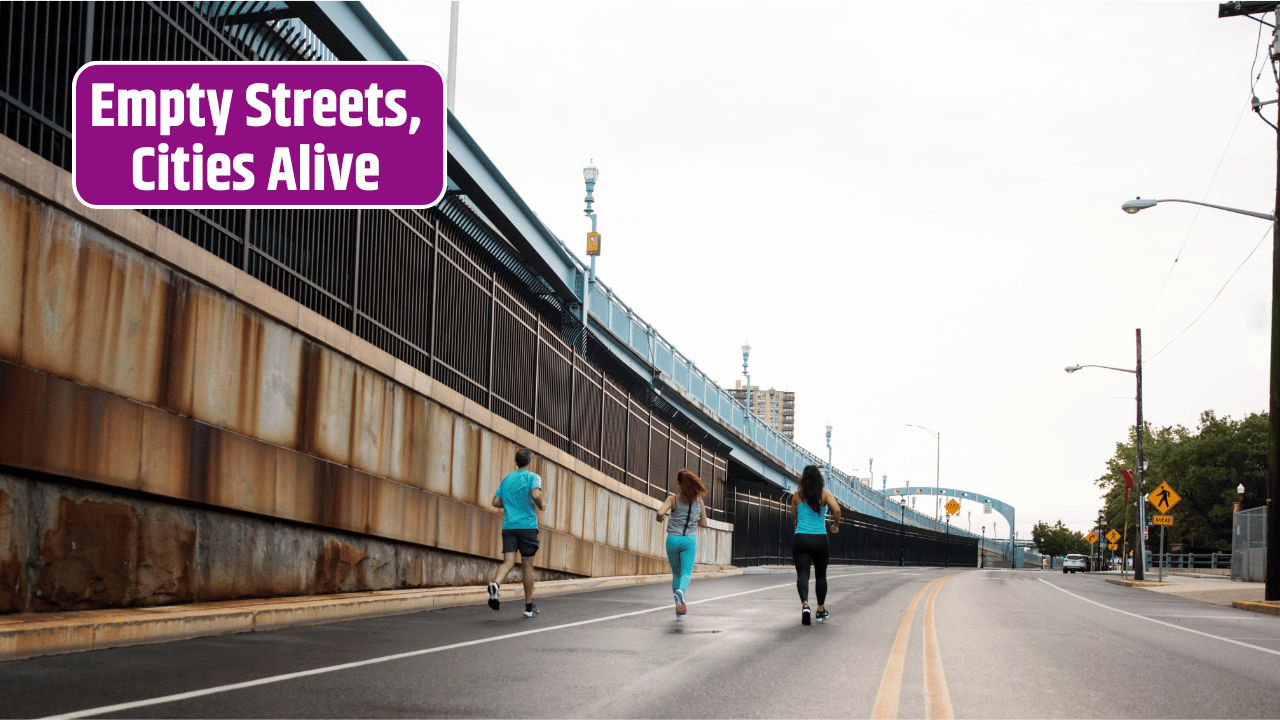
On a chilly Tuesday evening not long ago, you could walk through downtown and hear your footsteps echo. Storefronts were shuttered, “For Lease” signs bleached by the sun, and restaurants closing earlier each year. Last night? Music spilled from a corner café, a farmers’ market lit up the square, and a new brewpub had a line snaking down the block. That’s the story city leaders want to tell with the launch of a bold Downtown Revitalization Plan—a blueprint to bring life, money, and people back to the heart of struggling cities.
Officials are pitching it as a renaissance of sorts, one part nostalgia (reviving walkable main streets), one part forward-looking strategy (integrating green space, housing, and transit). The stakes are high: get it right, and cities could stem decades of decline. Get it wrong, and taxpayers could be left footing the bill for projects that never take root.
Table of Contents
The Blueprint for Revitalization

The plan combines public and private investments to address three stubborn issues: empty storefronts, housing shortages, and declining foot traffic.
| Focus Area | Current Challenge | Proposed Solution |
|---|---|---|
| Vacant Retail | 30–40% storefronts vacant | Incentives for local businesses, pop-ups, and cultural venues |
| Housing | High demand but little downtown supply | Convert upper floors and offices into mixed-income apartments |
| Public Spaces | Few green or gathering areas | Pocket parks, pedestrian plazas, event programming |
| Mobility | Car-dominated streets | Expanded bike lanes, better bus/transit hubs |
Officials emphasized that this isn’t just about building shiny new towers. It’s about rethinking downtown as a place to live, not just work, a lesson reinforced by the pandemic’s remote work shift.
Who’s Backing It?
Funding comes from a mix of city bonds, state grants, and federal programs like the U.S. Department of Housing and Urban Development community development block grants and Department of Transportation transit-oriented development support. Private developers are also circling, particularly around mixed-use housing and entertainment venues.

The U.S. Census Bureau shows younger adults moving back into urban areas at higher rates, fueling optimism. Officials are betting that this plan will meet them where they want to be—walkable, social, and vibrant downtowns.
Local Voices: Hope and Hesitation
Not everyone is convinced. Some longtime residents worry about gentrification pricing out local families. Others fear tax incentives for developers could mean fewer resources for schools and public services.
“I’ve watched this town shrink for 20 years,” said a retired shop owner. “If this really fills the streets again, it’s worth it. But I’ve also seen big promises before that never panned out.”
The Cultural Factor

City leaders say culture is the “secret sauce.” That means art walks, open-air concerts, farmers’ markets, and food truck nights—things that give people a reason to linger, not just pass through. Small-scale pilots have already shown signs of success, with weekend events drawing thousands.
Rumors on social media have claimed the plan will “bulldoze historic districts.” That’s not true. Official documents stress adaptive reuse—renovating old theaters, warehouses, and storefronts into modern uses while preserving architectural character. Demolition is reserved for derelict, unsafe structures only.
FAQs
What is a Downtown Revitalization Plan?
It’s a strategy combining housing, business development, public space, and cultural programming to bring activity back to city centers.
How long will this take?
Most projects will roll out in phases over 10–15 years, though small improvements like pop-up markets and bike lanes may appear within a year.
Will property taxes go up?
Funding includes state and federal support to minimize tax hikes, but some local increases could occur depending on project scope.
How will small businesses benefit?
They’ll have access to rental incentives, shared marketing campaigns, and a larger customer base as foot traffic grows.
Can residents weigh in?
Yes. Public workshops and design charrettes are scheduled, and city websites will host surveys and comment portals.